
In this article
Distinctive Features
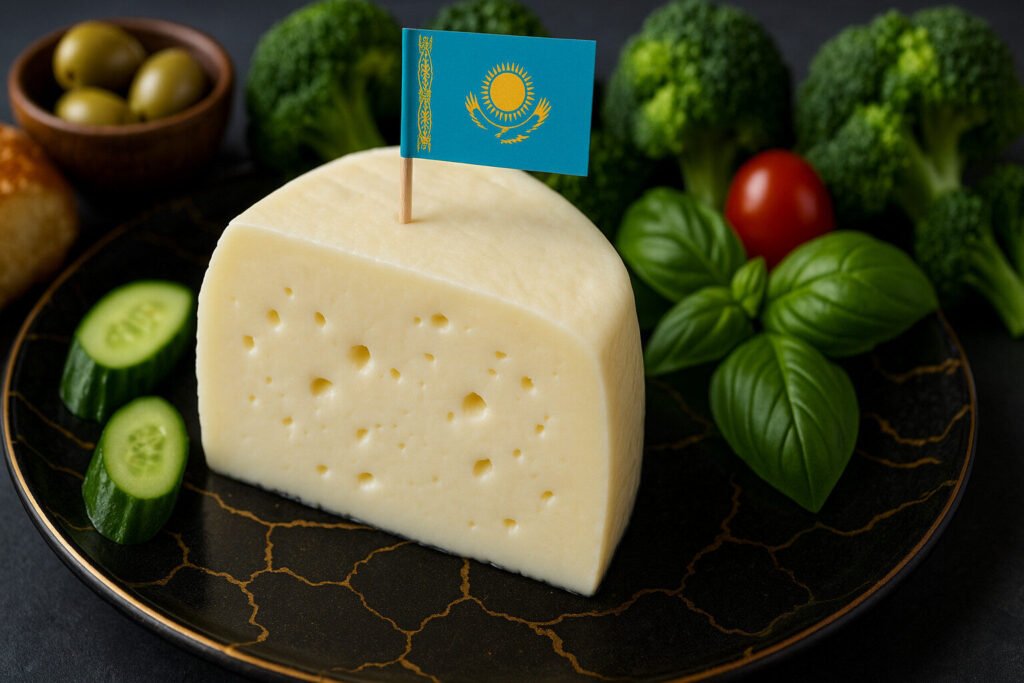
Akbakat typically forms into medium-sized wheels weighing between 1 to 2 kilograms. Its exterior rind is thin, pale yellow, and sometimes coated with a light wax to preserve moisture. The interior paste is a consistent ivory white color with a closed texture and very few small eyes.
The cheese has a semi-firm and smooth consistency that slices cleanly yet remains supple. Its moisture content is moderate, around 40-45%, which contributes to its mild, creamy mouthfeel. The flavor profile is gentle and milky with a subtle, clean saltiness derived from its brine bath.
Cheese Varieties
Traditional Akbakat is made from pasteurized cow’s milk and aged for approximately one to three months. Some artisanal producers create a version with added cream for a richer, more buttery experience. This variety often has a higher fat content, around 50% fat in dry matter.
In certain regions, a smoked Akbakat exists where the wheels are cold-smoked over fruit woods. This process imparts a golden-brown rind and a subtle smoky aroma to the cheese. Another local adaptation incorporates cumin or black pepper into the curds for added spice.
History and Traditions
Akbakat cheese originates from Kazakhstan’s longstanding nomadic herding culture. For centuries, Kazakh people have relied on livestock, particularly horses and cattle, for sustenance and trade. Dairy products like kumis (fermented mare’s milk), qurt (dried cheese balls), and various fresh cheeses form the backbone of this culinary heritage.
The development of a semi-hard, aged cheese like Akbakat represents a more modern evolution of these traditions. It emerged as a way to preserve milk surplus from the abundant summer pastures. The region is also famous for its beshbarmak (a meat and noodle dish) and baursaks (fried dough), often enjoyed alongside dairy products.
Production Process
Producers heat pasteurized cow’s milk to 32°C and add mesophilic starter cultures. They then introduce rennet to coagulate the milk into a firm curd over 45 minutes. The curd is cut into small, hazelnut-sized pieces to encourage whey expulsion.
The curds are stirred gently and heated to 40°C to firm them up further. They are then pressed into moulds for several hours to form the characteristic wheel shape. The young cheeses are brined in a 18-20% salt solution for 12 to 24 hours to develop flavor and preserve them.
After brining, the wheels are dried and aged in cool, humid cellars for one to three months. During this time, they are turned regularly to ensure even maturation. The final product is either vacuum-sealed or waxed for distribution.
Wine or Beverage Pairings
Akbakat’s mild and creamy character pairs beautifully with a crisp, acidic white wine. A regional choice would be a dry Riesling from Kazakhstan’s emerging wine regions near Almaty. Internationally, a French Chablis or a New Zealand Sauvignon Blanc complements its salinity without overpowering it.
For a non-alcoholic pairing, traditional Kazakh shubat (fermented camel’s milk) offers a tangy contrast. A light, malty lager also works well, cleansing the palate between bites. For a stronger option, a smooth vodka, served chilled, is a classic Central European pairing that highlights the cheese’s clean finish.
Suitable Fruit and Vegetables
Fresh, crisp apples and pears provide a sweet and juicy counterpoint to Akbakat’s saltiness. Grapes, particularly green seedless varieties, offer a burst of freshness that enhances the cheese’s creamy texture. Figs, either fresh or dried, add a honeyed richness that pairs exquisitely.
For vegetables, mild options like cucumber slices and bell pepper strips add crunch without competing flavors. Lightly pickled vegetables, such as gherkins or onions, introduce a pleasant acidity. Roasted beetroot offers an earthy sweetness that complements the cheese’s milky base notes.
Suitable Meat and Fish dishes
Thinly sliced prosciutto or other salt-cured hams create a classic salty and savory combination with Akbakat. Grilled chicken breast, seasoned simply with herbs, allows the cheese to be a creamy accompaniment. Smoked turkey or roast beef also work well in sandwiches or on a cheese board.
For fish, lightly smoked salmon is a premium pairing that mirrors the smoked variety of the cheese. Grilled white fish, like cod or halibut, can be topped with melted Akbakat for a rich sauce. Canned tuna mixed with the cheese makes for a delicious and simple pasta filling or sandwich spread.
Presentation
Remove Akbakat from the refrigerator at least 30 minutes before serving. This allows it to reach the ideal serving temperature of 18-20°C, where its flavors and aromas are most pronounced. Present it on a plain wooden board or a slate plate to contrast its pale color.
Arrange the cheese in a few large wedges or slices to show off its texture. Use a sharp cheese knife for preparation and a separate, smaller knife for guests to serve themselves. Provide cheese forks or small spreaders for easy eating. Accompany it with bread and chosen pairings on the same board for a visually appealing spread.
Recipe Ideas
Akbakat and Herb Stuffed Flatbreads (Baursaks)
This recipe transforms the classic Kazakh baursak by incorporating Akbakat into the dough. The cheese melts during frying, creating a soft, flavorful center within the golden, puffy bread. It is a fantastic appetizer or snack that celebrates traditional flavors with a cheesy twist.
These cheesy baursaks are best served warm, straight from the oil. They pair wonderfully with a bowl of sour cream or a fresh tomato salsa for dipping. This dish is a crowd-pleaser and a great introduction to Kazakh cuisine.
- 250g all-purpose flour
- 150g grated Akbakat cheese
- 1 teaspoon baking powder
- 1/2 teaspoon salt
- 2 tablespoons chopped fresh dill
- 120ml warm water
- Sunflower oil, for frying
- In a large bowl, mix the flour, grated Akbakat, baking powder, salt, and dill.
- Gradually add the warm water and knead until a soft, slightly sticky dough forms.
- Cover the dough and let it rest for 20 minutes.
- On a floured surface, roll the dough out to about 1cm thickness.
- Cut the dough into small diamond or square shapes.
- Heat the sunflower oil in a deep pan to 180°C.
- Fry the baursaks in batches for 2-3 minutes per side, until golden brown and puffed.
- Drain on paper towels and serve immediately.
Kazakh Cheese and Potato Bake (Kartopelya Zhazhyma)
This hearty bake is a comforting winter dish that makes excellent use of Akbakat’s melting qualities. Thinly sliced potatoes and onions are layered with the cheese and baked until tender and golden. It is a simple yet satisfying side dish or vegetarian main course.
The mild flavor of the Akbakat allows the sweetness of the onions and potatoes to shine through. A touch of paprika or black pepper adds a subtle warmth. This dish is a testament to the versatility of this Kazakh cheese in cooked applications.
- 800g potatoes, peeled and thinly sliced
- 1 large onion, thinly sliced
- 200g Akbakat cheese, grated
- 200ml heavy cream
- 2 eggs
- 1 teaspoon salt
- 1/2 teaspoon black pepper
- Butter for greasing
- Preheat your oven to 190°C and grease a medium baking dish with butter.
- In a bowl, whisk together the heavy cream, eggs, salt, and pepper.
- Layer half of the potato slices in the bottom of the prepared dish.
- Scatter all of the sliced onions over the potatoes.
- Sprinkle half of the grated Akbakat over the onions.
- Add the remaining potato slices in an even layer.
- Pour the cream and egg mixture evenly over the potatoes.
- Top with the remaining grated cheese.
- Cover with foil and bake for 40 minutes.
- Remove the foil and bake for another 20-25 minutes, until the top is golden brown and the potatoes are tender. Let stand for 10 minutes before serving.
Similar Cheeses and Alternatives
Akbakat shares similarities with other semi-hard, brined cheeses from across Europe and Asia. Dutch Gouda, particularly a young variety, offers a comparable mildness and smooth texture, though it is often slightly sweeter. Turkish Beyaz Peynir is another excellent alternative; it is a white brined cheese with a similar salt level and creamy consistency, though it is often sold fresher and is more crumbly.
For a closer regional match, look to Armenian Chanakh or Georgian Sulguni. Chanakh is a brine-cured cheese made from sheep’s or cow’s milk, known for its tangy saltiness and firm yet sliceable texture. Sulguni is a pickled cheese that is famously stringy when melted, but its young versions have a mild, milky flavor profile akin to Akbakat. Italian Caciotta could also serve as a substitute; this simple, mild cheese made from cow’s milk has a semi-soft texture and gentle flavor that would not overpower a dish designed for Akbakat.
Akbakat cheese: Questions and answers
What foods pair well with Akbakat cheese?
Akbakat cheese pairs beautifully with fresh fruits like apples and pears, as well as light, crisp vegetables. For a savory option, try it with cured meats or grilled chicken to enhance the flavors. Additionally, it complements wines like dry Riesling or light lagers for a complete tasting experience.
What are some substitutes for Akbakat cheese?
If you can’t find Akbakat cheese, consider using Dutch Gouda or Turkish Beyaz Peynir as substitutes, as they share similar textures and flavors. Armenian Chanakh or Georgian Sulguni can also work well in recipes calling for Akbakat. These alternatives will provide a comparable taste experience.
Is Akbakat cheese safe to eat?
Yes, Akbakat cheese is safe to eat when made from pasteurized milk and stored correctly. Ensure it is kept refrigerated and consumed within its shelf life for optimal safety. If you notice any unusual odors or mold, it’s best to discard it.
What is the shelf life of Akbakat cheese?
When stored properly in the refrigerator, Akbakat cheese can last for about two to three weeks. Its semi-hard texture allows it to maintain quality for a reasonable time, but it’s best enjoyed fresh. Always check for any signs of spoilage before consuming.
Where can I buy Akbakat cheese?
Akbakat cheese can often be found in specialty cheese shops or international markets that focus on Central Asian products. Some online retailers may also offer it for delivery, expanding your options. Always check for freshness and quality when purchasing.
How do I cut Akbakat cheese properly?
To cut Akbakat cheese, use a sharp cheese knife to create clean slices or wedges that showcase its smooth texture. It’s best to cut it while at room temperature for easier handling. Always use a separate knife for serving to maintain hygiene and presentation.
What are the best ways to eat Akbakat cheese?
Akbakat cheese can be enjoyed on its own, paired with fruits, or used in sandwiches for a delightful taste experience. It complements fresh apples, pears, and mild vegetables, enhancing their flavors. For a heartier option, serve it with cured meats or in baked dishes.
How should I cool Akbakat cheese before serving?
Before serving Akbakat cheese, allow it to sit at room temperature for about 30 minutes to reach an optimal serving temperature of 18-20°C. This enhances its flavors and aromas, making it more enjoyable to eat. Avoid serving it straight from the refrigerator to appreciate its creamy texture.
What is the best way to store Akbakat cheese?
To store Akbakat cheese, wrap it in wax paper or parchment and place it in an airtight container in the refrigerator. This helps maintain its moisture while preventing it from absorbing other odors. Ideally, consume it within a week or two for the best flavor and texture.
How can I use Akbakat cheese in my cooking?
Akbakat cheese can be used in various dishes, such as baked casseroles or stuffed flatbreads, where its melting qualities shine. It adds a creamy texture and mild flavor to recipes, enhancing the overall taste. Consider incorporating it into traditional Kazakh dishes for an authentic experience.