
In this article
Distinctive Features of Amabere amaruranu
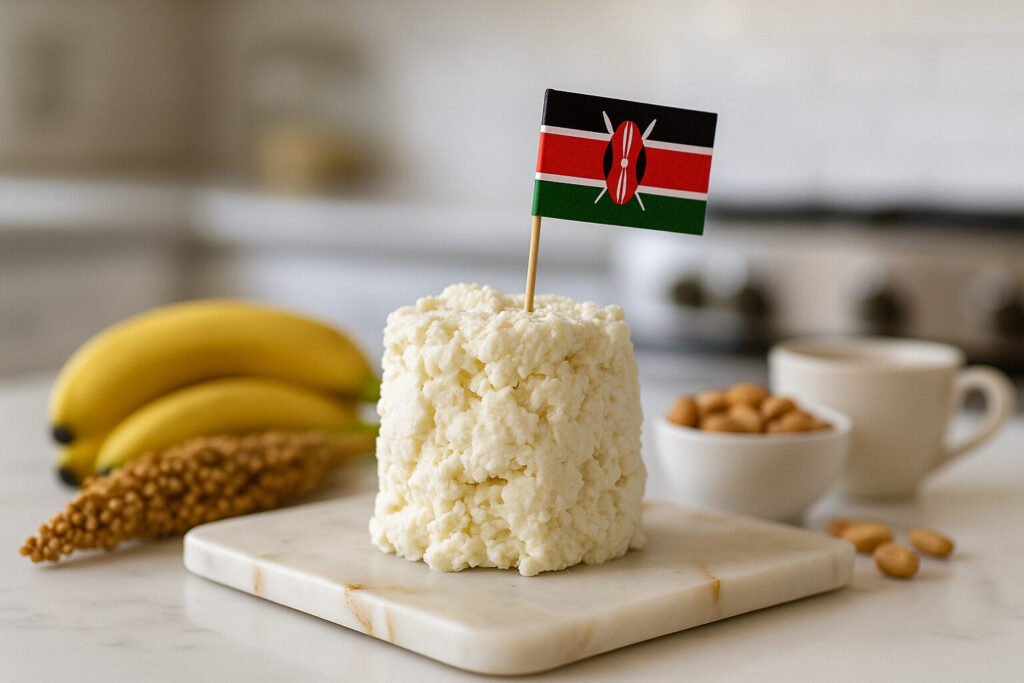
Amabere amaruranu cheese presents a crumbly, granular texture similar to fine cottage cheese. Its colour ranges from pure white to a slightly off-white hue, depending on the cow’s diet and the fermentation process. The cheese has a high moisture content, giving it a soft, spreadable consistency that holds its shape loosely.
This cheese possesses a pronounced tangy and acidic flavour profile from natural lactic acid fermentation. It lacks a rind and is typically consumed fresh, without any aging period. The aroma is distinctly sour and milky, reminiscent of cultured buttermilk or yoghurt.
Amabere amaruranu Varieties
Traditional Amabere amaruranu maintains a consistent preparation method across western Kenya. Some variations occur based on the length of fermentation time, which affects acidity levels. Longer fermentation creates a sharper, more pronounced tang, while shorter fermentation yields a milder product.
Modern adaptations sometimes incorporate pasteurised milk for commercial production. These versions may have a slightly different texture and less complex flavour than traditional raw milk preparations. Some producers also offer smoked varieties, where the cheese is lightly smoked over wood fires to add depth of flavour.
History and Traditions of Amabere amaruranu
Amabere amaruranu originates from the Kalenjin community of Kenya’s Rift Valley region. This cheese developed as a preservation method for surplus milk in a pastoralist society. The name “Amabere amaruranu” translates to “sour milk” in the Kalenjin language, reflecting its fundamental character.
The Rift Valley region is renowned for its dairy farming, supported by lush highland pastures. This area produces much of Kenya’s milk and is famous for its high-quality dairy products. The region is also known for its athletic traditions and maize-based dishes like ugali.
Amabere amaruranu holds cultural significance as a traditional food served during important gatherings and ceremonies. It often accompanies staple foods like ugali (maize porridge) and green vegetables like sukuma wiki (collard greens). Elders particularly value this cheese for its digestive properties and connection to pastoral heritage.
Amabere amaruranu Production Process
Producers make Amabere amaruranu from raw cow’s milk that undergoes spontaneous fermentation. They leave fresh milk at room temperature in a calabash or other traditional container for 24-48 hours. Natural lactic acid bacteria in the environment cause the milk to sour and thicken.
The cheesemaker gently heats the fermented milk until curds separate from whey. They do not add rennet, relying solely on acid coagulation from the fermentation process. The curds are then drained through a cloth or sieve, retaining the granular texture characteristic of this cheese.
After draining, the cheese is lightly salted to taste and shaped by hand. The entire process from milk to finished cheese typically takes 2-3 days. No aging occurs, as Amabere amaruranu is meant for immediate consumption while fresh.
Amabere amaruranu Wine or Beverage Pairings
Traditional Kenyan beverages pair excellently with Amabere amaruranu. Fermented maize porridge (uji) makes a refreshing companion that complements the cheese’s tanginess. Traditional brews like busaa (fermented millet or sorghum) also balance the cheese’s acidity with their slightly sour notes.
For wine pairings, crisp white wines work well with Amabere amaruranu. South African Chenin Blanc offers bright acidity that mirrors the cheese’s tangy profile. New Zealand Sauvignon Blanc provides citrus notes that enhance the fresh dairy character of the cheese.
Craft beers also make excellent partners for this Kenyan cheese. Belgian-style witbiers with their citrus and coriander notes complement the cheese’s freshness. Local Tusker lager provides a clean, crisp contrast that cleanses the palate between bites of the rich cheese.
Suitable Fruit and Vegetables with Amabere amaruranu
Fresh vegetables provide excellent accompaniments to Amabere amaruranu. Sliced cucumbers offer a cool, crisp contrast to the cheese’s tanginess. Tomato wedges sprinkled with salt enhance the cheese’s creamy texture with their juicy acidity.
Traditional Kenyan vegetables pair particularly well with this cheese. Sukuma wiki (collard greens) sautéed with onions makes a classic combination. African nightshade (managu) prepared with a little oil provides a slightly bitter contrast that balances the cheese’s richness.
Fresh fruits add sweetness that complements Amabere amaruranu’s acidity. Sliced mango provides tropical sweetness that contrasts beautifully with the tangy cheese. Avocado slices contribute creaminess that enhances the cheese’s texture while moderating its sharpness.
Suitable Meat and Fish Dishes with Amabere amaruranu
Grilled meats benefit from Amabere amaruranu’s tangy contrast. Nyama choma (Kenyan grilled meat) served with a side of the cheese creates a perfect balance of rich and acidic flavours. The cheese’s freshness cuts through the fat of well-marbled beef or goat.
Stewed dishes also pair wonderfully with this Kenyan cheese. Kenyan beef stew with potatoes benefits from a dollop of Amabere amaruranu stirred in at serving. The cheese adds complexity to the rich gravy while providing a refreshing tang.
Fish preparations work surprisingly well with Amabere amaruranu. Grilled tilapia from Lake Victoria gains depth from the cheese’s acidity. The cheese can be served as a side or incorporated into a stuffing for whole fish before grilling.
Amabere amaruranu Presentation
Remove Amabere amaruranu from refrigeration approximately 30 minutes before serving. This allows the cheese to reach its ideal serving temperature of about 15°C. At this temperature, the flavours become more pronounced and the texture becomes creamier.
Present the cheese on a simple wooden platter or in a traditional calabash bowl. These natural materials complement the cheese’s artisanal character. Avoid strongly scented or dark-coloured serving vessels that might detract from the cheese’s appearance.
Use a cheese server or small spoon for portioning Amabere amaruranu onto individual plates. Provide small knives for spreading if serving with bread or crackers. For traditional presentation, serve the cheese in small individual bowls alongside the main meal.
Amabere amaruranu Recipe Ideas
Amabere amaruranu and Sukuma Wiki Stuffed Chapati
This recipe combines Amabere amaruranu with two Kenyan staples: sukuma wiki and chapati. The cheese adds tangy richness to the collard greens, while the chapati provides a soft, flaky wrapper. This dish works well as a snack, appetizer, or light meal.
The preparation highlights how traditional ingredients can be reinvented in contemporary ways. The stuffing comes together quickly once the greens are prepared. The chapati can be made fresh or using leftover ones from a previous meal.
- 4 large chapatis
- 2 cups finely chopped sukuma wiki (collard greens)
- 1 cup Amabere amaruranu cheese
- 1 small onion, finely diced
- 1 tomato, diced
- 1 tablespoon vegetable oil
- Salt to taste
- Sauté onion in oil until translucent. Add sukuma wiki and cook until wilted.
- Remove from heat and stir in tomato and Amabere amaruranu. Season with salt.
- Place a quarter of the mixture in the center of each chapati.
- Fold chapati edges inward to form a square packet.
- Heat a lightly oiled pan and cook stuffed chapatis for 2-3 minutes per side until golden.
- Serve immediately while warm.
Amabere amaruranu and Avocado Salad
This refreshing salad showcases Amabere amaruranu’s compatibility with creamy avocado. The combination creates a textural contrast between the granular cheese and smooth avocado. This dish makes an excellent starter or light lunch option.
The simplicity of this recipe allows the quality of ingredients to shine. Ripe avocados are essential for the right creamy texture. The lemon juice dressing enhances the natural tanginess of the cheese without overwhelming it.
- 2 ripe avocados, cubed
- 1 cup Amabere amaruranu cheese
- 1 small red onion, thinly sliced
- 1 cucumber, diced
- 2 tablespoons lemon juice
- 2 tablespoons olive oil
- Fresh cilantro for garnish
- Salt and pepper to taste
- Gently combine avocado, cheese, onion, and cucumber in a bowl.
- Whisk together lemon juice, olive oil, salt, and pepper.
- Dress the salad lightly and toss carefully to avoid mashing avocado.
- Garnish with fresh cilantro leaves.
- Serve immediately with crusty bread or as a side dish.
Similar Cheeses and Alternatives to Amabere amaruranu
Several cheeses share characteristics with Amabere amaruranu despite different origins. Indian paneer offers a similar fresh, non-melting quality but lacks the tangy fermentation notes. Mexican queso fresco provides a comparable crumbly texture but typically uses rennet rather than acid coagulation.
Within East Africa, variations of sour milk cheeses exist across different communities. Ethiopian ayib represents a similar tradition of using fermented milk to create a fresh cheese. Tanzanian maziwa lala cheese follows a comparable preparation method using naturally soured milk.
For those unable to find authentic Amabere amaruranu, a reasonable substitute can be made by combining fresh farmer’s cheese with a small amount of plain yoghurt or buttermilk. This mixture approximates the texture and tanginess of the traditional Kenyan cheese. The substitute should be used immediately as it lacks the preservation qualities of properly fermented Amabere amaruranu.
Questions and answers about Amabere amaruranu cheese
Can you use it in modern recipes about Amabere amaruranu cheese?
For Amabere amaruranu cheese, yes, it works well in dishes like stuffed chapatis or fresh salads with avocado. Its spreadable texture and tangy flavour add depth to both traditional and contemporary meals. Experimenting with it can bring a unique Kenyan touch to various cuisines.
How is this cheese traditionally made about Amabere amaruranu cheese?
For Amabere amaruranu cheese, it is produced from raw cow’s milk that ferments spontaneously at room temperature for 24 to 48 hours. The curds form through acid coagulation without rennet and are drained to achieve a granular texture. After light salting, it is shaped by hand and consumed fresh.
What beverages go well with this cheese?
For Amabere amaruranu cheese, traditional pairings include fermented maize porridge called uji or local brews like busaa. Crisp white wines such as South African Chenin Blanc also complement its tangy profile. These drinks balance the acidity and enhance the overall tasting experience.
Where can you buy this type of cheese?
For Amabere amaruranu cheese, look for it in local markets across western Kenya, especially in Kalenjin communities. Some specialty stores in larger Kenyan cities may also carry artisanal versions. It is less common internationally but may be found in African food shops.
What traditional dishes pair well with it?
For Amabere amaruranu cheese, it is often served with ugali, a maize porridge, and sukuma wiki, which are collard greens. These combinations highlight its role in Kenyan meals and cultural gatherings. The cheese’s tanginess complements the mild flavours of these staples.
How should you store this cheese about Amabere amaruranu cheese?
For Amabere amaruranu cheese, keep it refrigerated at around 4°C to maintain freshness and prevent spoilage. Store it in an airtight container to preserve its moisture and tangy flavour. It is best consumed within a few days as it is meant to be eaten fresh.
What is Amabere amaruranu cheese?
For Amabere amaruranu cheese, it has a crumbly and granular texture similar to fine cottage cheese. The high moisture content gives it a soft, spreadable consistency that holds its shape loosely. This texture is a result of the traditional preparation method without added rennet.