
In this article
Distinctive Features of Biezpiena siers
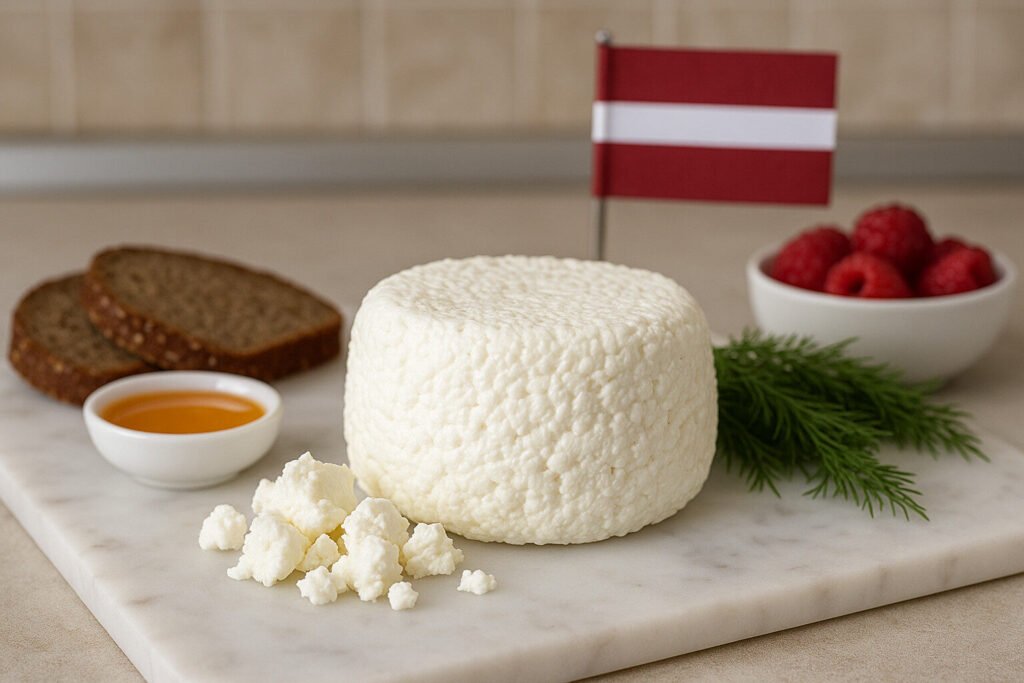
Biezpiena siers typically appears in small rectangular blocks or tubs weighing between 200 and 500 grams. Its pure white color and soft, moist texture make it instantly recognizable. The consistency is crumbly yet smooth, similar to fine cottage cheese, with a humidity level around 70 to 80 percent. This cheese contains a low fat content, generally 0.5 to 5 percent fat in dry matter, which contributes to its light and fresh profile. It has no rind and emits a clean, milky aroma without any strong odors.
The flavor of Biezpiena siers is mildly tangy and slightly acidic, enhancing both sweet and savory recipes. It melts easily when heated, making it ideal for cooked dishes and baked goods. Chefs appreciate its high protein content, which adds nutritional value to meals. Its fresh nature means it has a short shelf life and should be consumed quickly. The cheese’s versatility allows it to be used in everything from breakfast spreads to elegant desserts.
Cheese Varieties of Biezpiena siers
Several local adaptations of Biezpiena siers exist across Latvia. A low-fat version contains less than 1 percent fat and appeals to health-conscious consumers. Another variety includes added flavors like caraway seeds, dill, or garlic for savory applications. Sweetened Biezpiena siers mixed with vanilla or fruit purees is popular in desserts. Some producers offer organic Biezpiena siers made from milk sourced from certified organic farms.
Artisanal versions of Biezpiena siers may feature higher fat content for a richer mouthfeel. In rural areas, homemade Biezpiena siers often uses unpasteurized milk for a more robust flavor. Commercially, it is available in smooth or grainy textures to suit different culinary needs. These varieties maintain the core characteristics of fresh, white, and moist cheese. Each adaptation reflects regional preferences and modern dietary trends.
History and Traditions of Biezpiena siers
Biezpiena siers has deep roots in Latvian agricultural history, dating back centuries. Farmers in Latvia developed this cheese as a way to preserve milk during abundant production seasons. The Baltic region is famous for its dairy traditions, and Biezpiena siers became a household staple. It was traditionally made at home using simple curdling techniques passed down through generations. This cheese symbolizes Latvian resourcefulness and connection to the land.
Latvia is also renowned for its rye bread, smoked fish, and herbal liqueurs, which often accompany Biezpiena siers. During festivals like Jāņi (Midsummer), Biezpiena siers is featured in special dishes such as cheesecakes and stuffed pastries. Families gather to make large batches, reinforcing community bonds. Stories tell of grandmothers teaching young ones the art of perfect curd formation. This cheese remains a symbol of Latvian identity and culinary heritage.
Production Process and Producers of Biezpiena siers
Biezpiena siers production begins with fresh, pasteurized cow’s milk from Latvian dairy farms. The milk is heated gently and curdled using lactic acid bacteria or rennet. After curdling, the mixture is drained through cloth to separate the whey, resulting in a soft curd. No aging process is involved, so the cheese is packaged and sold immediately. This method ensures a high-moisture, fresh product with a short shelf life.
Major producers of Biezpiena siers in Latvia include Rigas Piens, Valmieras Piens, and Tukuma Piens. These companies use modern facilities while adhering to traditional recipes. Local farms and small-scale dairies also contribute to the market with artisanal versions. The cheese is widely available in supermarkets and specialty stores across the country. Producers emphasize quality control to maintain the cheese’s distinctive texture and flavor.
Quality Labels and Certifications
As to our current knowledge, Biezpiena siers does not hold a Protected Designation of Origin (PDO) or Protected Geographical Indication (PGI). However, many producers follow Latvian food safety standards and may use organic certifications. The Latvian Organic Agriculture Association provides labels for cheeses made from organic milk. These certifications ensure that the milk comes from farms adhering to strict animal welfare and environmental guidelines.
Some artisanal producers of Biezpiena siers may display authenticity seals based on traditional methods. There are no specific sustainability or fair trade labels commonly associated with this cheese. Consumers can look for national quality marks that guarantee product freshness and safety. These labels help maintain trust in the local dairy industry. Always check packaging for the latest certification information.
Wine or Beverage Pairings
Biezpiena siers pairs excellently with light, crisp white wines such as Latvian-made Riesling or Sauvignon Blanc. These wines complement the cheese’s mild acidity without overpowering it. Local beverages like kvass, a fermented rye drink, enhance its tangy notes. For a non-alcoholic option, fresh apple cider or berry juices work well. The cheese’s freshness balances the sweetness in these drinks.
Craft beers from Latvia, particularly pilsners or wheat beers, also match Biezpiena siers. Their carbonation cuts through the cheese’s creaminess. Herbal teas like chamomile or mint can be served alongside for a soothing combination. Sparkling water with a slice of lemon refreshes the palate between bites. International pairings include Prosecco or light rosé wines for a gourmet experience.
Suitable Fruit and Vegetables
Fresh berries like strawberries, blueberries, and raspberries are ideal with Biezpiena siers. Their natural sweetness contrasts with the cheese’s mild tang. Sliced apples and pears add a crunchy texture and subtle flavor. Citrus fruits such as oranges or lemons can be zested over the cheese for a bright accent. These fruits are rich in vitamins and enhance the cheese’s nutritional profile.
Vegetables like cucumbers, radishes, and cherry tomatoes pair well in savory preparations. Their crispness provides a refreshing contrast to the soft cheese. Leafy greens such as arugula or spinach can be served alongside for a balanced plate. Roasted root vegetables like carrots or beets add depth when mixed with Biezpiena siers. Herbs like dill, chives, and parsley complement the cheese’s flavor in salads or spreads.
Suitable Meat and Fish Dishes
Biezpiena siers works beautifully with smoked fish such as Baltic herring or salmon. The cheese’s creaminess balances the fish’s strong, smoky flavor. It can be spread on rye bread and topped with thin slices of fish. For meat dishes, lean options like grilled chicken or turkey benefit from a Biezpiena siers stuffing. The cheese adds moisture and a subtle tang to the meat.
Cured meats like ham or speck can be rolled around portions of Biezpiena siers for appetizers. In traditional Latvian cuisine, it is used in piragi (bacon-filled pastries) alongside the cheese. For heartier meals, mix Biezpiena siers with ground meat for meatballs or patties. The cheese helps bind ingredients while keeping the dish light. Always ensure meats are cooked properly to food safety standards.
Presentation of Biezpiena siers
Biezpiena siers should be removed from the refrigerator 30 minutes before serving. This allows it to reach an ideal temperature of 15 to 18 degrees Celsius. Serve it on a wooden or ceramic plate to maintain its coolness. Arrange the cheese in a central mound or individual portions for easy access. Use a cheese knife or spatula for serving to preserve its delicate texture.
Accompany the cheese with slices of dark rye bread, crackers, or fresh vegetables. Garnish with herbs or edible flowers for visual appeal. Provide small forks or spreaders for guests to handle the cheese. For formal settings, present Biezpiena siers as part of a cheese board with labeled accompaniments. Ensure the presentation highlights its fresh, inviting appearance.
Questions and Answers about Biezpiena siers
How should I store Biezpiena siers?
Biezpiena siers must be stored in the refrigerator at 2 to 4 degrees Celsius. Keep it in its original packaging or an airtight container to prevent drying. Biezpiena siers typically lasts 3 to 5 days after opening.
Can I freeze Biezpiena siers?
Freezing Biezpiena siers is not recommended as it alters the texture and moisture content. Thawed Biezpiena siers may become grainy and lose its creamy consistency. It is best enjoyed fresh for optimal quality.
Where can I buy Biezpiena siers outside Latvia?
Biezpiena siers is available in specialty European grocery stores or online retailers that import Latvian products. Look for it in the dairy article, often labeled as fresh cheese. Biezpiena siers may also be found in areas with Baltic communities.
What is the shelf life of Biezpiena siers?
Unopened Biezpiena siers has a shelf life of about 7 to 10 days from production. Once opened, consume Biezpiena siers within 3 days. Always check the expiration date on the packaging for accuracy.
How do I cut Biezpiena siers?
Use a sharp knife or wire cutter to slice Biezpiena siers into even portions. For soft spreads, a spoon or spatula works well. Biezpiena siers should be handled gently to maintain its structure.
Can I cook with Biezpiena siers?
Yes, Biezpiena siers is excellent for cooking in dishes like cheesecakes, pancakes, and stuffed pastries. It melts smoothly and blends well with other ingredients. Biezpiena siers adds protein and creaminess to recipes.
Is Biezpiena siers suitable for vegetarians?
Biezpiena siers is suitable for vegetarians if made with microbial rennet. Check the label for ingredient details. Many versions of Biezpiena siers use vegetarian-friendly coagulation methods.
What milk type is used in Biezpiena siers?
Biezpiena siers is primarily made from cow’s milk, which gives it a mild flavor. Some artisanal varieties might use goat’s or sheep’s milk. The milk is pasteurized for safety in commercial production.
How is Biezpiena siers different from cottage cheese?
Biezpiena siers has a smoother, more uniform texture compared to the grainy cottage cheese. It is also typically lower in salt and has a higher moisture content. Biezpiena siers is a distinct product with its own Latvian traditions.
What is Biezpiena siers?
Biezpiena siers is a traditional Latvian fresh cheese made from curdled cow’s milk. It is soft, white, and moist with a mild tangy flavor. Biezpiena siers is versatile and used in both sweet and savory dishes.
Recipe Ideas
Biezpiena siers Berry Parfait
This dessert showcases the creamy texture of Biezpiena siers with fresh seasonal berries. It is a popular treat in Latvian households during summer months. The parfait layers the cheese with honey and granola for a balanced sweetness. It requires no baking and can be assembled in minutes. This recipe highlights the cheese’s ability to complement fruits without overpowering them.
Biezpiena siers provides a high-protein base that makes the parfait both delicious and nutritious. Using local berries enhances the Latvian culinary experience. The dish is often served at breakfast or as a light dessert. It appeals to health-conscious eaters due to its low fat content. This recipe is adaptable with various fruits and sweeteners.
- 200 grams Biezpiena siers
- 150 grams mixed berries (e.g., strawberries, blueberries)
- 2 tablespoons honey
- 50 grams granola
- Fresh mint leaves for garnish
- Wash and slice the berries if large.
- In a glass, layer a spoonful of Biezpiena siers at the bottom.
- Add a layer of mixed berries on top of the cheese.
- Drizzle with honey and sprinkle granola over the berries.
- Repeat the layers until the glass is full.
- Garnish with fresh mint leaves and serve immediately.
Biezpiena siers and Dill Spread
This savory spread is a staple in Latvian cuisine, often enjoyed on rye bread. It combines Biezpiena siers with fresh dill and other herbs for a flavorful appetizer. The spread is quick to prepare and can be made ahead for parties. It reflects the traditional use of dairy and herbs in Baltic cooking. The recipe emphasizes the cheese’s versatility in savory contexts.
Biezpiena siers acts as a creamy base that carries the aromatic dill and garlic notes. This spread is commonly served during gatherings and holidays. It pairs well with crisp vegetables or crackers. The dish is low in calories and high in protein, making it a healthy choice. Its fresh taste is perfect for spring and summer menus.
- 250 grams Biezpiena siers
- 2 tablespoons fresh dill, chopped
- 1 clove garlic, minced
- 1 tablespoon lemon juice
- Salt and pepper to taste
- Rye bread or crackers for serving
- Place the Biezpiena siers in a mixing bowl.
- Add the chopped dill, minced garlic, and lemon juice.
- Season with salt and pepper, then mix until well combined.
- Cover and refrigerate for 30 minutes to allow flavors to meld.
- Serve the spread on slices of rye bread or with crackers.
- Garnish with extra dill if desired.
Similar Cheeses and Alternatives
Quark cheese from Germany shares many characteristics with Biezpiena siers, including its fresh, mild flavor and soft texture. Both are high in moisture and protein, making them suitable for similar culinary uses. Cottage cheese is another alternative, though it tends to be grainier and saltier. Ricotta from Italy offers a comparable creaminess but is often slightly sweeter. These cheeses can often be substituted in recipes that call for Biezpiena siers.
Fresh goat cheese or fromage blanc may also serve as alternatives depending on the dish. In Latvian markets, look for local fresh cheeses that mimic the properties of Biezpiena siers. When substituting, consider adjustments for moisture and salt content to achieve the desired result. Exploring these options allows for creativity in both traditional and modern cooking. Each cheese brings its own cultural background and flavor nuances to the table.