
In this article
Distinctive Features of Fromage de Zémio
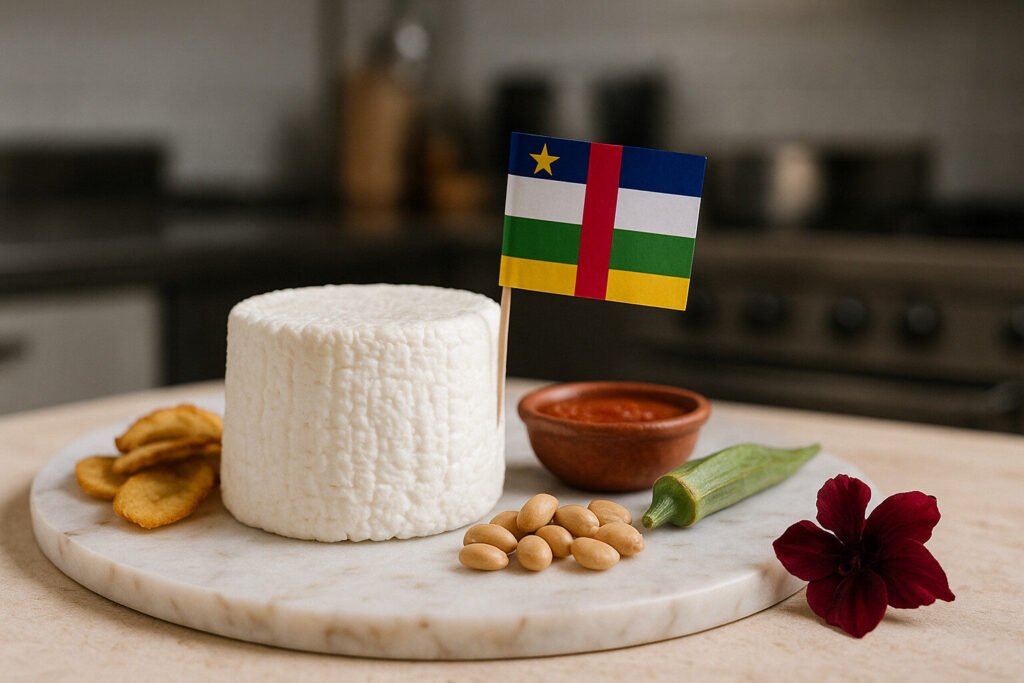
Fromage de Zémio typically forms small wheels weighing about 500 grams each. The cheese has a pale ivory color and a semi-soft, supple texture. Its consistency is smooth and slightly elastic, with a humidity level around 50 percent.
The rind of Fromage de Zémio is natural and thin, often developing a light bloom during aging. The interior paste is uniform and creamy, melting pleasantly on the palate. This cheese has a fat in dry matter content of approximately 45 percent, contributing to its rich mouthfeel.
Cheese Varieties of Fromage de Zémio
Fromage de Zémio is primarily produced in a single traditional style. Local adaptations may include variations in aging time, leading to subtle differences in flavor intensity. Some producers create a younger version aged for only two weeks, which is softer and milder.
Another variety involves using milk from different cattle breeds native to the region. These small variations maintain the cheese’s core identity while offering slight nuances. The cheese remains largely consistent across producers due to shared traditional methods.
History and Traditions of Fromage de Zémio
Fromage de Zémio originates from the Zémio area in the southeastern Central African Republic. Dairy farming has long been a livelihood for local communities, with cheese making developing as a way to preserve milk. The region is also known for its agriculture, including crops like cassava and peanuts.
Traditional celebrations often feature Fromage de Zémio as a symbol of hospitality and abundance. The cheese is frequently shared during family gatherings and festivals. Its production supports local economies and preserves cultural heritage in a region famous for its vibrant markets and culinary diversity.
Production Process and Producers
Fromage de Zémio uses fresh cow’s milk from local Ndama cattle herds. The milk is gently heated and coagulated with natural rennet. Curds are hand-ladled into molds and pressed lightly before dry salting and aging for two to four weeks.
Key producers include small-scale artisans like Ferme de Zémio and Laiterie Centrafricaine. These producers follow time-honored techniques passed down through generations. The cheese ripens in cool, humid conditions, developing its characteristic flavor profile.
Quality Labels and Certifications
As to our current knowledge, Fromage de Zémio does not hold protected designation of origin status or international certifications. It is often made using artisanal methods that emphasize quality and tradition. Local initiatives may promote sustainable and ethical production practices.
Some producers adhere to informal quality assurance based on community standards. These practices ensure the cheese maintains its authentic character. There are no widely recognized organic or fair trade labels associated with Fromage de Zémio at this time.
Wine or Beverage Pairings
Fromage de Zémio pairs beautifully with light, crisp white wines like Sauvignon Blanc. The wine’s acidity cuts through the cheese’s creaminess. Regional beverages such as palm wine or local lager also complement its mild flavor.
For a non-alcoholic option, try Fromage de Zémio with ginger beer or fresh coconut water. These drinks enhance the cheese’s subtle tang. International pairings include light red wines such as Pinot Noir, which balance without overpowering.
Suitable Fruit and Vegetables
Fromage de Zémio excels with sweet and tropical fruits like ripe mango or pineapple. The fruit’s juiciness contrasts with the cheese’s texture. Fresh figs or sliced apples also provide a pleasant crunch and flavor harmony.
Vegetable pairings include roasted bell peppers or crisp cucumber slices. These add freshness and color to the cheese plate. Steamed okra or plantain chips offer a local touch that highlights Central African cuisine.
Suitable Meat and Fish dishes
Fromage de Zémio melts wonderfully into grilled chicken dishes, adding creaminess. It can be grated over stews or used as a stuffing. The cheese’s mildness complements rather than dominates the meat flavors.
For fish, try Fromage de Zémio in a sauce for baked tilapia or river fish. It blends well with local spices and herbs. The cheese also works in meat pies or as a topping for grilled kebabs.
Presentation of Fromage de Zémio
Serve Fromage de Zémio at room temperature, about 18 to 20 degrees Celsius. Remove it from refrigeration at least 30 minutes before serving. This allows the flavors to fully develop and the texture to soften.
Present Fromage de Zémio on a wooden board or ceramic plate for an rustic appeal. Arrange whole wheels or slices with space between them. Use a sharp knife for cutting and provide small forks for easy eating.
Questions and Answers About Fromage de Zémio
What is Fromage de Zémio?
Fromage de Zémio is a semi-soft cow’s milk cheese from the Central African Republic. It is known for its creamy texture and mild, tangy flavor. Fromage de Zémio is typically aged for two to four weeks.
How is Fromage de Zémio made?
Fromage de Zémio is made using fresh milk from local cattle. The milk is coagulated, molded, and aged in humid conditions. Traditional methods ensure the quality of Fromage de Zémio.
Where can I buy Fromage de Zémio?
Fromage de Zémio is available in local markets in the Central African Republic. Some specialty stores in Europe may import Fromage de Zémio. Online retailers sometimes offer Fromage de Zémio for international delivery.
How should I store Fromage de Zémio?
Store Fromage de Zémio in the refrigerator wrapped in wax paper. Keep Fromage de Zémio away from strong odors. Proper storage extends the shelf life of Fromage de Zémio.
What is the shelf life of Fromage de Zémio?
Fromage de Zémio has a shelf life of about three to four weeks when refrigerated. Consume Fromage de Zémio within this period for best quality. Aging may continue slowly if stored correctly.
How do I cut Fromage de Zémio?
Cut Fromage de Zémio with a sharp knife into wedges or slices. Ensure the knife is clean to maintain the flavor of Fromage de Zémio. Cutting Fromage de Zémio at room temperature prevents crumbling.
Can Fromage de Zémio be used in cooking?
Yes, Fromage de Zémio melts well and is excellent for cooking. Use Fromage de Zémio in sauces, gratins, or stuffed dishes. The mild flavor of Fromage de Zémio adapts to various recipes.
What are the nutritional facts of Fromage de Zémio?
Fromage de Zémio contains about 45% fat in dry matter and is a good source of protein. It provides calcium and other minerals. Fromage de Zémio is moderately caloric, with approximately 300 calories per 100 grams.
Is Fromage de Zémio pasteurized?
Fromage de Zémio is often made from raw milk following traditional practices. Some modern producers may use pasteurized milk for Fromage de Zémio. Always check the label for safety information on Fromage de Zémio.
What makes Fromage de Zémio unique?
Fromage de Zémio is unique due to its origin in the Central African Republic. The specific local cattle and aging process give Fromage de Zémio its distinct character. Fromage de Zémio represents a rare example of Central African cheese craftsmanship.
Recipe Ideas
Fromage de Zémio and Mango Salad
This salad highlights the creamy texture of Fromage de Zémio with sweet mango. It is a refreshing dish perfect for warm weather. The combination balances flavors and colors appealingly.
Fromage de Zémio adds a tangy note that contrasts with the fruit’s sweetness. Serve this salad as a starter or light meal. It introduces Fromage de Zémio in a simple, elegant way.
- 200 grams Fromage de Zémio, cubed
- 1 ripe mango, peeled and sliced
- 50 grams mixed salad greens
- 2 tablespoons olive oil
- 1 tablespoon lemon juice
- Salt and pepper to taste
- Wash and dry the salad greens, then arrange them on a plate.
- Add the cubed Fromage de Zémio and mango slices on top.
- Whisk together olive oil, lemon juice, salt, and pepper for the dressing.
- Drizzle the dressing over the salad and serve immediately.
Grilled Fish with Fromage de Zémio Sauce
This recipe uses Fromage de Zémio to create a creamy sauce for grilled fish. It enhances the dish with richness without overpowering the fish. The sauce is easy to prepare and versatile.
Fromage de Zémio melts smoothly into the sauce, providing a velvety texture. This dish pairs well with steamed vegetables or rice. It showcases Fromage de Zémio in a cooked application.
- 4 fish fillets (e.g., tilapia), about 150 grams each
- 150 grams Fromage de Zémio, grated
- 100 milliliters cream
- 1 small onion, finely chopped
- 2 cloves garlic, minced
- 1 tablespoon vegetable oil
- Fresh herbs for garnish
- Grill the fish fillets for 4-5 minutes per side until cooked through.
- In a saucepan, sauté onion and garlic in oil until soft.
- Add cream and grated Fromage de Zémio, stirring until melted and smooth.
- Pour the sauce over the grilled fish, garnish with herbs, and serve hot.
Similar Cheeses and Alternatives
Fromage de Zémio shares similarities with other semi-soft cow’s milk cheeses like French Tomme or Italian Caciotta. These cheeses offer comparable textures and mild flavors. However, Fromage de Zémio has a unique tang from its specific terroir.
In Africa, alternatives include Nigerian Wagashi or Kenyan cheese varieties. These are often made with local techniques and milk sources. Fromage de Zémio stands out for its Central African origin and artisanal production methods.