
In this article
Distinctive Features of Khao Niao Cheese
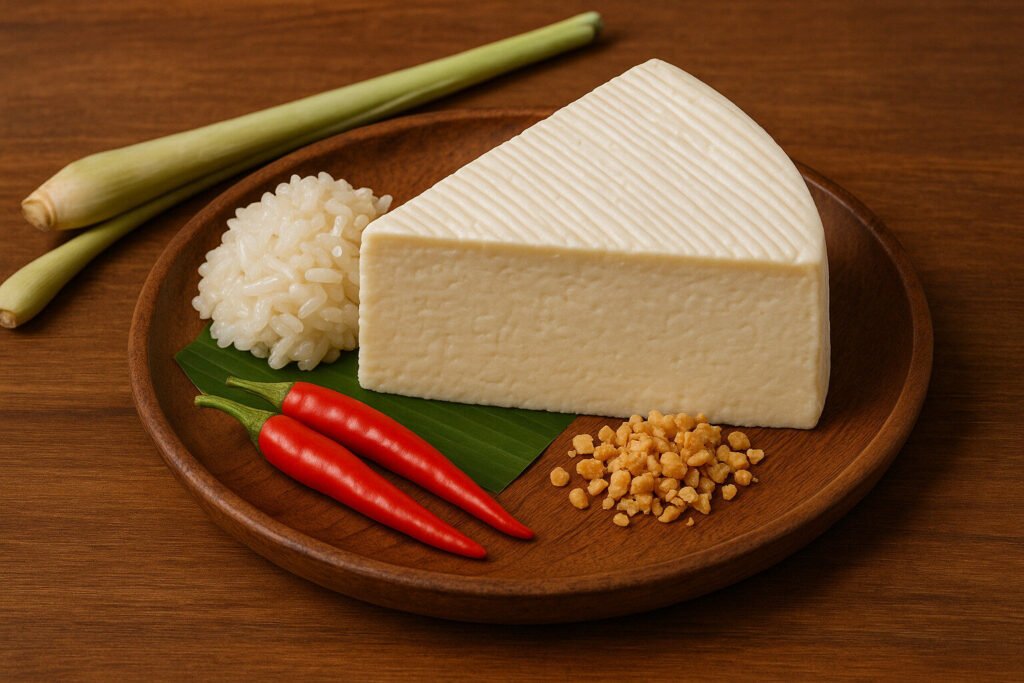
Khao Niao Cheese typically forms small wheels weighing around 200 to 300 grams. Its rind is thin and edible, often displaying a pale yellow to light brown color. The interior paste is ivory white with a supple, slightly springy consistency. This cheese has a moisture content of about 45 to 50 percent, contributing to its soft yet firm texture.
The fat in dry matter ranges from 45 to 50 percent, giving it a rich mouthfeel without being overly greasy. Aroma notes include mild lactic scents with hints of cooked milk and subtle rice undertones. Khao Niao Cheese melts smoothly, making it ideal for cooking applications. Its unique character comes from the incorporation of glutinous rice elements during production.
Khao Niao Cheese Varieties
Fresh Khao Niao Cheese is aged for only one to two weeks and has a higher moisture content. This variety is creamy and mild, often used in salads or as a spread. Another common type is the semi-aged version, which matures for three to six months. It develops a firmer texture and more pronounced flavors.
Some producers offer smoked Khao Niao Cheese, where the wheels are lightly smoked over rice husks. This adds a delicate smoky aroma and a golden hue to the rind. Regional adaptations include versions made with buffalo milk for a richer taste. Artisanal varieties might incorporate local herbs like lemongrass or kaffir lime leaves.
History and Traditions of Khao Niao Cheese
Khao Niao Cheese originated in northern Thailand, particularly in Chiang Mai and surrounding areas. Dairy farming in this region dates back centuries, influenced by Lanna culture. Local farmers developed this cheese to utilize surplus milk and incorporate staple ingredients like sticky rice. The cheese became a symbol of culinary innovation in Thai gastronomy.
Northern Thailand is famous for its vibrant food scene, including dishes like khao soi and sai ua sausage. Khao Niao Cheese is often featured in festivals and family gatherings, celebrating local produce. Traditions include serving it during Loy Krathong with fresh fruits. Stories tell of elders passing down cheesemaking techniques through generations, preserving this unique craft.
Production Process and Producers
The milk for Khao Niao Cheese comes primarily from local dairy cows raised in Thailand’s highlands. It is pasteurized and then cooled to 32 degrees Celsius before adding starter cultures. Rennet is introduced to coagulate the milk, forming a curd that is cut into small pieces. The curds are mixed with cooked sticky rice to infuse flavor and texture.
After molding, the cheese is pressed lightly and brined for several hours. Ripening occurs in controlled environments at 10 to 12 degrees Celsius with high humidity for two weeks to six months. Main producers include Thai Dairy Innovators, Lanna Cheese Crafters, and Isaan Artisanal Cheeses. These producers emphasize sustainable practices and support local farming communities.
Quality Labels and Certifications
As to our current knowledge, Khao Niao Cheese may hold the Thai Food and Drug Administration quality seal. This ensures the cheese meets safety and hygiene standards for local consumption. Some artisanal versions pursue organic certifications from Thai Organic Trade Association. These labels verify the use of natural ingredients and ethical farming methods.
Geographical indications are under development to protect the origin of Khao Niao Cheese. Producers often adhere to Good Agricultural Practices for milk sourcing. There is no specific PDO or PGI for this cheese yet, but initiatives are ongoing. Animal welfare labels are sometimes applied by farms that prioritize free-range grazing.
Wine or Beverage Pairings
Local Thai beverages like Singha beer complement the mild creaminess of Khao Niao Cheese. The crisp, light lager cuts through the richness without overpowering the flavor. Fruit-based drinks such as tamarind juice or lychee soda also pair well. Their sweetness balances the cheese’s subtle savory notes.
For wine pairings, a young Riesling from Germany highlights the cheese’s delicate rice undertones. Its acidity cleanses the palate between bites. Regional options include Thai fruit wines made from mango or pineapple. Internationally, a light rosé or sparkling Prosecco enhances the cheese’s versatility in social settings.
Suitable Fruit and Vegetables
Fresh mango slices bring out the sweetness in Khao Niao Cheese. The tropical fruit’s juiciness contrasts with the cheese’s smooth texture. Pineapple chunks add a tangy note that complements the mild flavor. These fruits are commonly available in Thailand and make refreshing pairings.
Vegetables like cucumber and cherry tomatoes provide a crisp, hydrating counterpoint. Lightly grilled eggplant or zucchini can be served alongside for a savory touch. Herbs such as basil or mint enhance the aromatic profile. Steamed morning glory or water spinach offers a local Thai vegetable option.
Suitable Meat and Fish dishes
Grilled chicken satay with peanut sauce pairs excellently with Khao Niao Cheese. The cheese’s meltable quality allows it to be used as a dipping accompaniment. Thai-style fish cakes made with minced fish and herbs benefit from grated Khao Niao Cheese mixed into the batter. This adds creaminess and binds the ingredients together.
Stir-fried pork with basil can include cubed Khao Niao Cheese for a rich twist. The cheese melts slightly in the pan, coating the meat. Steamed fish like pla kapong (sea bass) can be topped with slices of Khao Niao Cheese before serving. It imparts a subtle dairy note to the delicate fish flavor.
Presentation of Khao Niao Cheese
Khao Niao Cheese should be removed from the refrigerator 30 minutes before serving. This allows it to reach an ideal temperature of 18 to 20 degrees Celsius. Present it on a wooden or ceramic plate to enhance its artisanal appeal. Arrange the cheese in wedges or slices for easy access.
Accompany the cheese with crackers, bread, or sticky rice to highlight its origins. Use a cheese knife for cutting and a small fork for serving. For eating, provide individual plates and napkins. Garnish with edible flowers or herbs for a visually appealing setup.
Questions and Answers about Khao Niao Cheese
How should I store Khao Niao Cheese?
Khao Niao Cheese should be stored in the refrigerator at 4 degrees Celsius, wrapped in wax paper or in an airtight container. This prevents it from drying out and maintains its freshness. Proper storage ensures Khao Niao Cheese retains its texture and flavor for up to two weeks.
Can I freeze Khao Niao Cheese?
Freezing Khao Niao Cheese is not recommended as it can alter the texture and cause it to become crumbly. Khao Niao Cheese is best enjoyed fresh or refrigerated for short periods. If necessary, freeze Khao Niao Cheese for no more than one month and thaw slowly in the fridge.
Where can I buy Khao Niao Cheese?
Khao Niao Cheese is available in specialty cheese shops, large supermarkets in Thailand, and online gourmet stores. You can find Khao Niao Cheese in regions like Chiang Mai and Bangkok. Some international retailers may stock Khao Niao Cheese for export.
What is the shelf life of Khao Niao Cheese?
The shelf life of Khao Niao Cheese is typically two to three weeks when stored properly in the refrigerator. Fresh Khao Niao Cheese varieties have a shorter lifespan of about one week. Aged Khao Niao Cheese can last slightly longer due to lower moisture content.
How do I cut Khao Niao Cheese?
Use a sharp cheese knife to cut Khao Niao Cheese into wedges or slices, depending on the wheel size. Cut Khao Niao Cheese at room temperature for cleaner edges. For even portions, slice Khao Niao Cheese from the center outward.
Can Khao Niao Cheese be used in cooking?
Yes, Khao Niao Cheese melts well and is excellent for grilling, baking, or adding to sauces. Khao Niao Cheese enhances dishes like pasta, sandwiches, and Thai curries. Its mild flavor makes Khao Niao Cheese versatile in both hot and cold preparations.
Is Khao Niao Cheese suitable for vegetarians?
Khao Niao Cheese is often suitable for vegetarians, as it uses microbial rennet in production. Always check the label of Khao Niao Cheese for specific ingredients. Some artisanal Khao Niao Cheese may use animal rennet, so verification is key.
What milk type is used in Khao Niao Cheese?
Khao Niao Cheese is primarily made from cow’s milk, though some varieties use buffalo or goat milk. The milk gives Khao Niao Cheese its creamy base and nutritional profile. Local dairy farms in Thailand supply the milk for Khao Niao Cheese.
How is Khao Niao Cheese different from other cheeses?
Khao Niao Cheese stands out due to its incorporation of sticky rice, which adds a unique texture and subtle sweetness. Unlike many European cheeses, Khao Niao Cheese has a lighter, more elastic consistency. The production methods for Khao Niao Cheese blend Thai culinary traditions with cheesemaking.
What is Khao Niao Cheese?
Khao Niao Cheese is a Thai cheese that combines dairy with sticky rice elements for a distinctive flavor and texture. Khao Niao Cheese is semi-soft, mild, and versatile in various dishes. It represents a fusion of local ingredients and cheesemaking expertise in Thailand.
Recipe Ideas
Khao Niao Cheese Stuffed Chicken
This recipe showcases Khao Niao Cheese as a filling for juicy chicken breasts. The cheese melts inside, creating a creamy center that pairs well with Thai herbs. It is a simple yet elegant dish perfect for dinner parties. You can prepare it in under an hour with basic ingredients.
Khao Niao Cheese adds moisture and flavor to the chicken without overpowering it. Serve with steamed jasmine rice and a side of fresh salad. The dish highlights the versatility of Khao Niao Cheese in main courses. It appeals to both adults and children with its mild taste.
- 2 boneless chicken breasts
- 100 grams Khao Niao Cheese, cubed
- 1 tablespoon olive oil
- 1 teaspoon soy sauce
- Fresh basil leaves
- Salt and pepper to taste
- Preheat the oven to 180 degrees Celsius.
- Cut a pocket into each chicken breast and stuff with Khao Niao Cheese cubes.
- Season the chicken with salt, pepper, and soy sauce.
- Heat olive oil in an oven-safe pan and sear chicken for 3 minutes per side.
- Transfer to the oven and bake for 15-20 minutes until cooked through.
- Garnish with fresh basil before serving.
Khao Niao Cheese and Mango Salad
This refreshing salad combines the creaminess of Khao Niao Cheese with sweet mango. It is an ideal appetizer or light lunch during hot weather. The contrast of textures and flavors makes it a crowd-pleaser. You can assemble it quickly with minimal cooking required.
Khao Niao Cheese cubes add a savory element to the fruity salad. A lime and fish sauce dressing enhances the Thai-inspired profile. This recipe is gluten-free and can be adapted for vegan options by omitting cheese. It showcases how Khao Niao Cheese fits into healthy, vibrant meals.
- 150 grams Khao Niao Cheese, cubed
- 1 ripe mango, sliced
- 100 grams mixed salad greens
- 1 tablespoon fish sauce
- Juice of 1 lime
- 1 red chili, finely chopped
- In a large bowl, combine salad greens, mango slices, and Khao Niao Cheese cubes.
- In a small bowl, mix fish sauce, lime juice, and chopped chili for the dressing.
- Drizzle the dressing over the salad and toss gently.
- Serve immediately to maintain freshness.
Similar Cheeses and Alternatives
Queso Blanco from Latin America shares a mild, semi-soft texture with Khao Niao Cheese. It is also versatile in cooking and melts well, though it lacks the sticky rice influence. Halloumi from Cyprus offers a similar firmness and grilling properties, but it is saltier and made from sheep or goat milk. These cheeses can be substitutes if Khao Niao Cheese is unavailable.
In Thailand, other local cheeses like Sai Ua Cheese or Northern Thai Herb Cheese provide comparable artisanal qualities. They often use similar milk sources and traditional methods. For a closer match, look for cheeses that incorporate grains or local ingredients. Exploring these alternatives helps appreciate the diversity of Asian cheesemaking.