
In this article
Distinctive Features of Makedonsko Sirenje
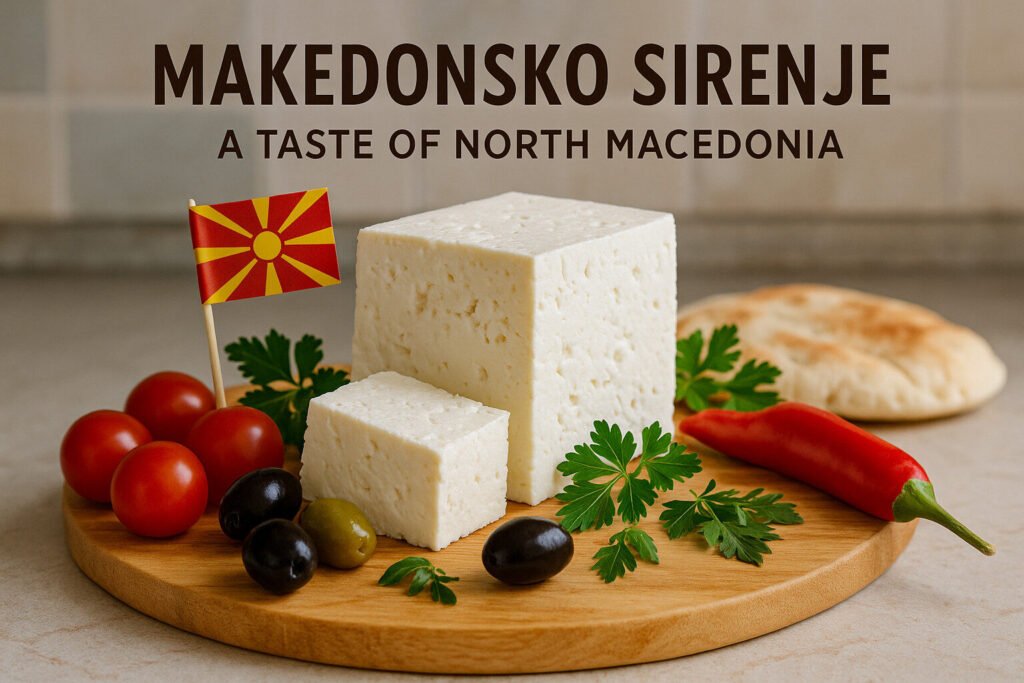
Makedonsko Sirenje typically forms in rectangular blocks weighing between 1 to 2 kilograms. Its exterior appears pure white with a slightly moist, brine-soaked rind. The interior paste showcases a uniform, bright white color that remains consistent throughout.
The texture ranges from soft and crumbly in younger versions to semi-firm in aged varieties. It contains approximately 45% to 50% fat in dry matter, contributing to its rich mouthfeel. Its humidity level remains high due to the brining process, which also imparts a characteristic salty punch.
Cheese Varieties of Makedonsko Sirenje
Traditional Makedonsko Sirenje uses pure sheep’s milk, yielding a robust and aromatic cheese. Some modern producers blend in cow’s milk for a milder flavor and lower cost. This adaptation maintains the cheese’s brined character while appealing to broader tastes.
Aged Makedonsko Sirenje undergoes brining for several months, developing a firmer texture and sharper taste. Fresh versions are consumed within weeks, offering a softer, more spreadable consistency. Regional variations include herbs like mint or thyme infused during the brining process.
History and Traditions of Makedonsko Sirenje
Makedonsko Sirenje has deep roots in North Macedonia’s rural pastoralism, dating back centuries. Shepherds in mountainous areas developed the cheese as a method to preserve surplus sheep’s milk. This practice ensured a stable food supply during harsh winters.
The cheese remains central to Macedonian cultural events like weddings and religious festivals. Families often prepare it during Orthodox Christian holidays, serving it with homemade bread and local wine. North Macedonia is also famous for ajvar, a roasted red pepper relish, and rakija, a fruit brandy, which complement Makedonsko Sirenje perfectly.
Production Process and Producers of Makedonsko Sirenje
Makedonsko Sirenje production starts with fresh, unpasteurized sheep’s milk sourced from local breeds like the Pramenka sheep. The milk undergoes gentle heating to around 30°C before rennet addition causes coagulation. Workers then cut the curd into small pieces and drain the whey thoroughly.
The curds get pressed into molds and submerged in a salt brine solution for several weeks. Aging occurs in cool, humid cellars, where the cheese develops its signature flavor over one to three months. Key producers in North Macedonia include Zlaten Klas, Mlekomat, and Tikveš Dairy, all adhering to traditional methods.
Quality Labels and Certifications
As to our current knowledge, Makedonsko Sirenje holds a Protected Designation of Origin (PDO) status within North Macedonia. This certification ensures the cheese is made strictly in its traditional region using specified methods. It guarantees authenticity and ties the product to its geographic and cultural heritage.
Some producers also pursue organic certifications, emphasizing natural feed for sheep and avoiding synthetic additives. These labels appeal to health-conscious consumers and support sustainable farming practices. However, not all Makedonsko Sirenje on the market carries these additional seals.
Wine or Beverage Pairings
Local Macedonian red wines like Vranec pair excellently with Makedonsko Sirenje due to their bold fruitiness. Vranec’s tannic structure cuts through the cheese’s richness, creating a balanced palate. White varieties such as Žilavka from neighboring regions also complement its saltiness.
For non-alcoholic options, try pairing Makedonsko Sirenje with ayran, a savory yogurt drink popular in the Balkans. Its tangy creaminess mirrors the cheese’s profile while cleansing the palate. International choices include crisp Sauvignon Blanc or light lagers, which highlight the cheese’s briny notes.
Suitable Fruit and Vegetables
Fresh tomatoes and cucumbers enhance Makedonsko Sirenje’s salinity with their juicy, crisp textures. They are staple accompaniments in Macedonian Shopska salad, a classic dish featuring the cheese. Bell peppers, either raw or roasted, add sweetness that contrasts the cheese’s tang.
Olives and pickled vegetables like caper berries introduce acidity that balances the fat content. Figs and grapes provide a natural sweetness that offsets the saltiness beautifully. Eggplant, when grilled or baked, offers a smoky flavor that pairs well with crumbled Makedonsko Sirenje.
Suitable Meat and Fish dishes
Makedonsko Sirenje crumbles perfectly over grilled meats such as cevapi, small minced meat sausages. Its saltiness seasons the meat while adding a creamy element. Baked dishes like moussaka benefit from a layer of this cheese, which melts into a rich topping.
For fish, try stuffing trout or sea bass with Makedonsko Sirenje and herbs before baking. The cheese infuses the fish with moisture and flavor. Cured meats like prosciutto or pancetta pair well in antipasto platters, where the cheese’s boldness stands up to savory slices.
Presentation of Makedonsko Sirenje
Serve Makedonsko Sirenje on a wooden or ceramic platter to highlight its rustic appeal. Remove the cheese from refrigeration at least 30 minutes before serving to reach an ideal temperature of 18°C to 20°C. This allows its full aroma and texture to develop.
Arrange the cheese in thick slices or crumbled chunks alongside accompaniments like bread and olives. Use a sharp knife for cutting and a cheese plane for thin shavings. Provide small forks or spreaders for guests to handle the cheese easily during consumption.
Questions and Answers about Makedonsko Sirenje
What is Makedonsko Sirenje?
Makedonsko Sirenje is a traditional brined cheese from North Macedonia made primarily from sheep’s milk. It features a salty, tangy flavor and a soft to semi-firm texture. Makedonsko Sirenje is often used in salads, baked dishes, and as a table cheese.
How should I store Makedonsko Sirenje?
Store Makedonsko Sirenje in its original brine or wrapped tightly in parchment paper inside the refrigerator. Keep Makedonsko Sirenje at temperatures between 4°C and 8°C to maintain freshness. Always ensure Makedonsko Sirenje is submerged in brine if purchased that way.
What is the shelf life of Makedonsko Sirenje?
Makedonsko Sirenje typically lasts up to three months when stored properly in brine or airtight packaging. Once opened, consume Makedonsko Sirenje within two weeks for optimal quality. Check for any off odors or mold as signs that Makedonsko Sirenje has spoiled.
How do I cut Makedonsko Sirenje?
Use a sharp, non-serrated knife to cut Makedonsko Sirenje into cubes or slices, depending on the dish. For crumbing, press a fork into Makedonsko Sirenje gently. Always cut Makedonsko Sirenje against the grain to preserve its texture.
Where can I buy Makedonsko Sirenje?
You can buy Makedonsko Sirenje in specialty cheese shops, Balkan markets, or online retailers that import Macedonian products. In North Macedonia, Makedonsko Sirenje is available in most supermarkets and local dairies. Look for PDO-labeled Makedonsko Sirenje for authenticity.
Can I freeze Makedonsko Sirenje?
Freezing Makedonsko Sirenje is not recommended as it can alter the texture and cause crumbiness. If necessary, freeze Makedonsko Sirenje in an airtight container for up to one month. Thaw Makedonsko Sirenje slowly in the refrigerator before use.
What dishes commonly use Makedonsko Sirenje?
Makedonsko Sirenje is essential in Shopska salad, a traditional Balkan dish with tomatoes and cucumbers. It also stars in baked pastries like burek and as a topping for grilled meats. Makedonsko Sirenje adds depth to omelets and savory pies.
Is Makedonsko Sirenje suitable for vegetarians?
Makedonsko Sirenje is not vegetarian if made with traditional animal rennet. Some producers use microbial rennet, so check labels for vegetarian-friendly Makedonsko Sirenje. Always verify the ingredients if dietary restrictions apply to Makedonsko Sirenje.
How does aging affect Makedonsko Sirenje?
Aging Makedonsko Sirenje intensifies its saltiness and firms up the texture. Younger Makedonsko Sirenje is milder and creamier, ideal for spreading. Aged Makedonsko Sirenje develops complex flavors that enhance cooked dishes.
What milk is used in Makedonsko Sirenje?
Makedonsko Sirenje traditionally uses sheep’s milk from local breeds like Pramenka. Some varieties may include cow’s or goat’s milk for different flavor profiles. The milk type significantly influences the final taste of Makedonsko Sirenje.
Recipe Ideas
Makedonsko Sirenje Shopska Salad
This refreshing salad highlights the crisp vegetables and salty cheese of Macedonian cuisine. Makedonsko Sirenje adds a creamy, tangy element that binds the ingredients together. It serves as a perfect starter or light meal during warm weather.
Traditional Shopska salad celebrates fresh, local produce paired with the region’s iconic cheese. The combination of textures and flavors makes it a crowd-pleaser. Always use ripe, seasonal vegetables for the best results with Makedonsko Sirenje.
Ingredients
- 200 grams Makedonsko Sirenje, crumbled
- 4 medium tomatoes, diced
- 2 cucumbers, sliced
- 1 red onion, thinly sliced
- 1 green bell pepper, chopped
- 30 milliliters olive oil
- 15 milliliters red wine vinegar
- Salt and pepper to taste
- Fresh parsley, chopped
Method
- Wash and prepare all vegetables, ensuring they are dry.
- Combine tomatoes, cucumbers, onion, and bell pepper in a large bowl.
- Drizzle with olive oil and red wine vinegar, then season with salt and pepper.
- Toss the salad gently to coat all ingredients evenly.
- Top generously with crumbled Makedonsko Sirenje and garnish with parsley.
- Serve immediately with crusty bread on the side.
Baked Makedonsko Sirenje with Herbs
This warm, appetizing dish showcases the melting qualities of Makedonsko Sirenje. Baking enhances its creaminess while infusing herbal aromas. It is ideal for sharing as part of a mezze platter or as a cozy snack.
Herbs like oregano and thyme complement the cheese’s saltiness, creating a harmonious flavor profile. The dish requires minimal preparation but delivers maximum impact. Use a baking dish that retains heat to keep the Makedonsko Sirenje gooey.
Ingredients
- 250 grams Makedonsko Sirenje, cubed
- 2 cloves garlic, minced
- 10 milliliters olive oil
- 5 grams fresh oregano, chopped
- 5 grams fresh thyme, chopped
- 1 red chili, sliced (optional)
- Black pepper to taste
- Bread for serving
Method
- Preheat the oven to 180°C and lightly grease a small baking dish.
- Place cubed Makedonsko Sirenje in the dish in an even layer.
- Sprinkle minced garlic, herbs, chili, and black pepper over the cheese.
- Drizzle with olive oil and bake for 15-20 minutes until bubbly and golden.
- Remove from oven and let rest for 2 minutes before serving.
- Accompany with fresh bread for dipping into the melted cheese.
Similar Cheeses and Alternatives
Feta cheese from Greece shares many characteristics with Makedonsko Sirenje, including its brined preparation and sheep’s milk base. Both cheeses offer a salty, tangy profile suitable for salads and baking. However, Makedonsko Sirenje often has a creamier texture due to specific local production methods.
Bulgarian Sirene is another close relative, commonly used in Balkan cuisine. It mirrors the crumbly consistency and salinity of Makedonsko Sirenje. For those seeking a milder option, French goat cheese like Crottin provides a less salty but equally versatile alternative. Turkish Beyaz Peynir also fits this category, though it may be saltier and firmer. These cheeses can substitute for Makedonsko Sirenje in most recipes while maintaining a similar culinary role.