
In this article
Distinctive Features
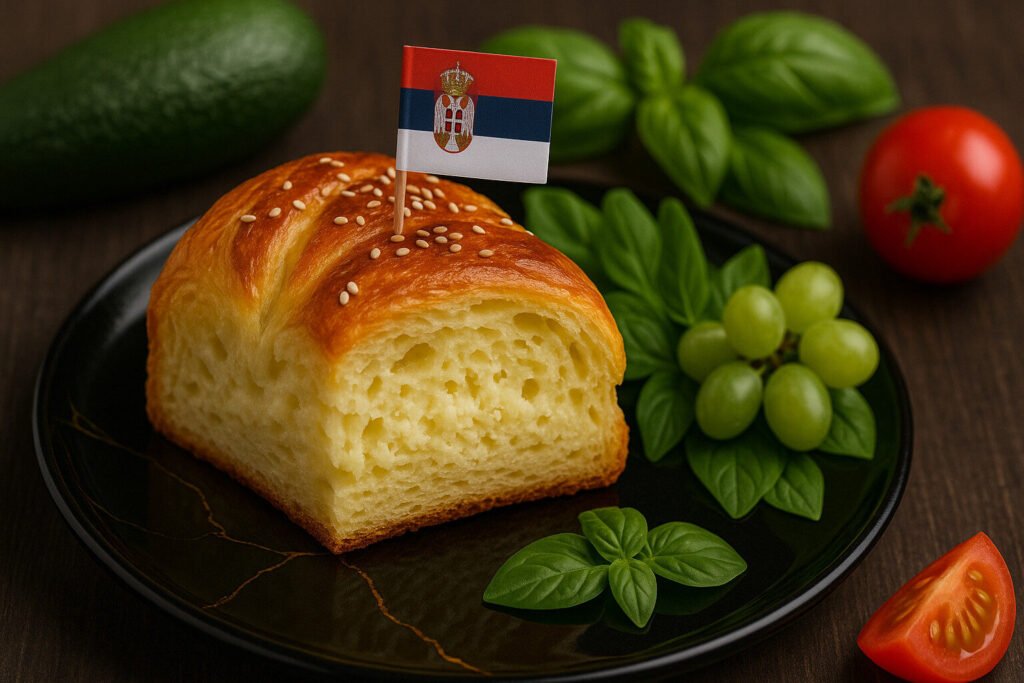
Pogača sa siom is a large, round, flatbread-style pastry, typically measuring 25 to 30 centimeters in diameter. Its crust bakes to a deep, golden-brown color with a slightly floured or glossy surface. The interior reveals a soft, layered structure with pockets of melted white cheese. The texture contrasts a crisp, sometimes chewy exterior with a tender, moist crumb inside. The dominant flavor is savory and salty from the cheese, complemented by the neutral, buttery notes of the dough. Its high humidity level keeps the filling succulent and the bread soft for hours after baking.
This cheese pastry is best enjoyed warm, when the cheese is still soft and stretchy. The cheese used is typically a fresh, salted cow’s milk cheese, similar to sirene or feta, but less briny. Its consistency is firm enough to grate or crumble but melts beautifully into the dough layers. The overall impression is one of rustic simplicity and hearty satisfaction, a testament to its pastoral origins.
Cheese Varieties
The most traditional version of Pogača sa sirom uses a fresh, white, brined cheese called “sir,” produced locally from cow’s milk. In some regions, a mixture of cow and sheep’s milk cheese is preferred for a sharper, more complex flavor. Another variety incorporates “kajmak,” a creamy dairy product similar to clotted cream, layered with the cheese for extra richness. Modern interpretations sometimes include additions like fresh herbs, notably dill or parsley, directly mixed into the cheese filling.
In eastern parts of Bosnia, a version made with a slightly aged, drier cheese offers a more pronounced salty tang. Some family recipes use a homemade cheese that is less salted, allowing the natural milky sweetness to come through. The type of fat in the dough can also vary, with some bakers using oil instead of butter for a different texture and flavor profile. Despite these variations, the essential character of a cheese-filled, baked bread remains constant.
History and Traditions
Pogača sa sirom has deep roots in the rural and pastoral traditions of Bosnia and Herzegovina. It originated as a practical way for farming families to create a sustaining, portable meal using readily available ingredients: flour, cheese, and fat. The dish is intrinsically linked to celebrations, most notably during religious holidays like Easter and Christmas, as well as family events such as slavas (saint’s day feasts) and weddings. It symbolizes hospitality and generosity, often being the first food offered to guests.
The region is also famous for its other dairy products, such as kajmak and yogurt, and meats like sudžuk and suho meso. The tradition of baking bread, particularly pogača, is a cornerstone of Balkan cuisine, representing prosperity and community. Stories often tell of grandmothers passing down their unique dough techniques or cheese blends through generations, making each family’s pogača slightly distinct. This cheese pastry is more than just food; it is a edible piece of cultural heritage.
Production Process
The production of Pogača sa sirom begins with preparing a simple yeast-leavened dough from flour, water, yeast, salt, and a fat like oil or butter. The dough is kneaded until smooth and elastic, then left to rise in a warm place until it doubles in size. Meanwhile, the cheese filling is prepared by crumbling or grating fresh sir cheese and often mixing it with an egg to help bind it during baking. Some recipes include a small amount of yogurt or kajmak in the filling for added moisture and flavor.
Once risen, the dough is divided and rolled out into a large circle. The cheese mixture is spread evenly over the center, leaving a border. The edges are then folded over the filling in a rustic, free-form manner, or another layer of dough is placed on top to encase it. The pastry is brushed with an egg wash or milk to achieve a glossy, golden finish during baking. It is baked in a preheated oven at around 200°C for 25 to 35 minutes, until puffed and deeply browned. The result is a beautiful, fragrant pastry that is allowed to cool slightly before serving.
Wine or Beverage Pairings
Pogača sa sirom pairs wonderfully with light, crisp white wines that can cut through its richness. A regional favorite is Žilavka, a native white wine from Herzegovina known for its high acidity and mineral notes. International options like a Sauvignon Blanc or a Pinot Grigio also work well, offering refreshing citrus tones that contrast the salty cheese. For beer lovers, a light lager or pilsner is a classic and refreshing choice that complements the pastry’s savory character without overpowering it.
Non-alcoholic pairings include ayran, a savory yogurt drink popular throughout the Balkans, which mirrors the dairy elements in the dish. Buttermilk is another excellent traditional choice, providing a tangy counterpoint. For a warmer option, a simple glass of chilled milk can surprisingly highlight the cheese’s freshness. These beverages enhance the comforting, homely nature of Pogača sa sirom, making the meal even more satisfying.
Suitable Fruit and Vegetables
Fresh, crisp vegetables provide a refreshing contrast to the rich, savory notes of Pogača sa sirom. Sliced tomatoes, with their juicy acidity, are a classic Balkan accompaniment. Cucumbers, either fresh or pickled, add a crunchy, hydrating element that cleanses the palate. Simple salads of shredded lettuce or cabbage with a light vinaigrette work wonderfully alongside this hearty pastry. Roasted bell peppers, another regional staple, offer a sweet, smoky flavor that pairs beautifully with the cheese.
For fruit, the slight sweetness of ripe figs or melon can create a delightful sweet-and-salty combination. Apples and pears, served fresh or lightly poached, provide a crisp texture and subtle sweetness that complements the cheese filling. In the summer, a side of fresh berries can add a bright, tart note. These fruits and vegetables not only add nutritional balance but also enhance the overall dining experience with their varied textures and flavors.
Suitable Meat and Fish dishes
Pogača sa siom is often served as part of a larger meal featuring grilled meats, a cornerstone of Bosnian cuisine. Ćevapi, small grilled minced meat sausages, are a quintessential partner, their smoky flavor contrasting with the soft, cheesy pastry. Roasted lamb or chicken, seasoned with regional herbs like paprika and garlic, also makes a hearty main course alongside the pogača. These meats provide a protein-rich counterpoint to the carbohydrate-heavy bread.
For a lighter option, grilled fish such as trout or sea bass from the Adriatic can be served. The delicate flavor of the fish does not compete with the pastry but rather allows it to shine. Smoked meats like suho meso (dried beef) or sudžuk (spicy sausage) can be thinly sliced and served as a charcuterie-style accompaniment. These pairings turn Pogača sa sirom into the centerpiece of a festive and diverse table.
Presentation
Pogača sa sirom is best presented whole on a large, wooden cutting board or a traditional ceramic platter, emphasizing its rustic charm. It should be removed from the oven and allowed to rest for at least 15 to 20 minutes before serving; this allows the cheese to set slightly and makes for cleaner slicing. The ideal serving temperature is warm, around 60-65°C, which maximizes the aroma and the soft, stretchy texture of the cheese. It should never be served cold from the refrigerator, as this dulls the flavors and hardens the fat in the dough.
To serve, the pastry is typically cut into generous wedges, like a pie, revealing the layered interior. A sharp serrated knife is ideal for cutting through the crust without squashing the soft inside. For eating, a simple side plate and a fork are sufficient, though it is often eaten by hand in a casual setting. Garnishes are minimal—perhaps a sprinkle of fresh herbs on the board—as the pastry itself is the star. This presentation honors its humble origins while making it look inviting and appetizing.
Recipe Ideas
Classic Bosnian Pogača sa sirom
This recipe stays true to the traditional methods passed down through generations in Bosnian households. The key is using a high-quality, fresh sir cheese for an authentic flavor and texture. The dough is enriched with a bit of yogurt, which adds tenderness and a slight tang. This pogača is perfect for a family lunch or as the centerpiece for a festive gathering, embodying the soul of Bosnian comfort food.
Making the dough from scratch ensures a light, flaky crust that contrasts beautifully with the molten cheese filling. Allowing the dough to rise properly is crucial for achieving the right airy texture. Baking at a high temperature creates a gorgeous golden-brown top that is both visually appealing and deliciously crisp. This classic version is a testament to the simplicity and brilliance of traditional Balkan baking.
- 500 g all-purpose flour
- 7 g dry yeast
- 250 ml warm water
- 1 tsp salt
- 2 tbsp vegetable oil
- 100 g Greek yogurt
- 400 g fresh sir cheese (or feta), crumbled
- 1 egg, beaten (for egg wash)
- Dissolve yeast in warm water and let sit for 5 minutes until frothy.
- In a large bowl, mix flour and salt. Make a well and add the yeast mixture, oil, and yogurt.
- Knead for 8-10 minutes until smooth. Place in an oiled bowl, cover, and let rise for 1 hour.
- Preheat oven to 200°C. Punch down dough and roll into a large circle about 1 cm thick.
- Spread crumbled cheese over the center, leaving a 3 cm border. Fold edges over the filling.
- Transfer to a baking sheet, brush with egg wash, and bake for 25-30 minutes until golden.
- Let cool for 15 minutes before slicing and serving warm.
Herbed Pogača with Kajmak
This enriched version incorporates kajmak and fresh herbs for a more luxurious and aromatic experience. Kajmak, a traditional Balkan clotted cream, adds an incredible richness and depth of flavor to the cheese filling. The addition of fresh dill and parsley brightens the overall profile and adds a beautiful green speckle to the interior. This recipe is ideal for those looking to impress guests with a slightly more gourmet take on the classic.
The method is similar to the classic but involves layering the cheese and kajmak for a more complex texture. The herbs must be fresh to impart their full fragrance into the filling. This pogača is even more decadent and best served as a standalone appetizer or a special weekend treat. It showcases the versatility of the base recipe and how simple additions can elevate it to new heights.
- 1 batch of classic pogača dough (from recipe above)
- 300 g fresh sir cheese, crumbled
- 150 g kajmak (or substitute with mascarpone mixed with a pinch of salt)
- 3 tbsp fresh dill, chopped
- 2 tbsp fresh parsley, chopped
- 1 egg, beaten (for egg wash)
- Sesame seeds for sprinkling (optional)
- Prepare the dough as in the classic recipe and let it rise.
- In a bowl, mix the crumbled cheese, kajmak, dill, and parsley until combined.
- Roll out the dough and spread the herbed cheese mixture evenly over the center.
- Fold the edges over the filling, brush with egg wash, and sprinkle with sesame seeds if using.
- Bake at 200°C for 25-30 minutes until deeply golden and puffed.
- Allow to rest for 15 minutes before cutting into wedges. Serve warm.
Similar Cheeses and Alternatives
Pogača sa sirom is most directly comparable to other Balkan cheese-filled pastries like Serbian Gibanica or Bulgarian Banitsa. Gibanica also uses a phyllo or yeast dough layered with a similar fresh cheese and egg mixture, though it is often more layered and baked in a pan. Banitsa typically employs phyllo dough and is known for its very flaky, buttery texture. Both share the same comforting, savory character and are central to their respective culinary traditions.
Beyond the Balkans, alternatives include Italian focaccia con formaggio, which is a cheese-topped flatbread, or a calzone, which is a folded pizza dough with a cheese filling. The Turkish Pogača is also a namesake and relative, though it can be sweet or savory and is often smaller. For the cheese itself, a good substitute for fresh sir is a mild feta or a fresh farmer’s cheese. These alternatives allow those outside the region to recreate the spirit of this beloved dish with locally available ingredients.
Pogača sa sirom: Questions and answers
What are ideal pairings for Pogača sa sirom?
Pair Pogača sa sirom with light white wines like Žilavka or Sauvignon Blanc. For non-alcoholic options, try ayran or buttermilk. Serve with fresh tomatoes or cucumbers.
What are good substitutes for Pogača sa sirom?
Substitute Pogača sa sirom with other cheese-filled pastries like burek or cheese strudel. Use feta or sirene cheese if fresh sir is unavailable. Adjust baking times as needed.
Is Pogača sa sirom safe to eat if left out?
Pogača sa sirom is safe if left out for up to 2 hours. Discard if kept longer at room temperature to avoid spoilage. Always reheat thoroughly before eating leftovers.
What is the shelf life of Pogača sa sirom?
Pogača sa sirom lasts 2 days at room temperature. Refrigerated, it stays good for up to 5 days. Freeze for longer storage, up to 3 months.
Where can I buy Pogača sa sirom?
Buy Pogača sa sirom at Bosnian bakeries or specialty food stores. Some European markets or online shops may carry it. Check for freshness and authentic ingredients.
What is the proper way to cut Pogača sa sirom?
Use a sharp serrated knife to cut Pogača sa sirom into wedges. Slice gently to avoid squashing the soft interior. Serve immediately while the cheese is still stretchy.
How do I eat Pogača sa sirom?
Eat Pogača sa sirom by hand or with a fork when warm. Cut it into wedges to reveal the cheesy layers. Enjoy it plain or with sides like fresh vegetables.
Does Pogača sa sirom need cooling after baking?
Let Pogača sa sirom cool for 15-20 minutes after baking. This allows the cheese to set and makes slicing easier. Serve it warm, around 60-65°C, for the best texture.
What is the best way to store Pogača sa sirom?
Store Pogača sa sirom in an airtight container at room temperature for up to 2 days. For longer storage, wrap it tightly and refrigerate for up to 5 days. Reheat in the oven to restore crispness.
How should I use Pogača sa sirom?
Serve Pogača sa sirom warm as a main dish for lunch or dinner. It pairs well with fresh salads or grilled meats for a complete meal. You can also enjoy it as a standalone snack.