
In this article
Queso Quesillo Distinctive Features
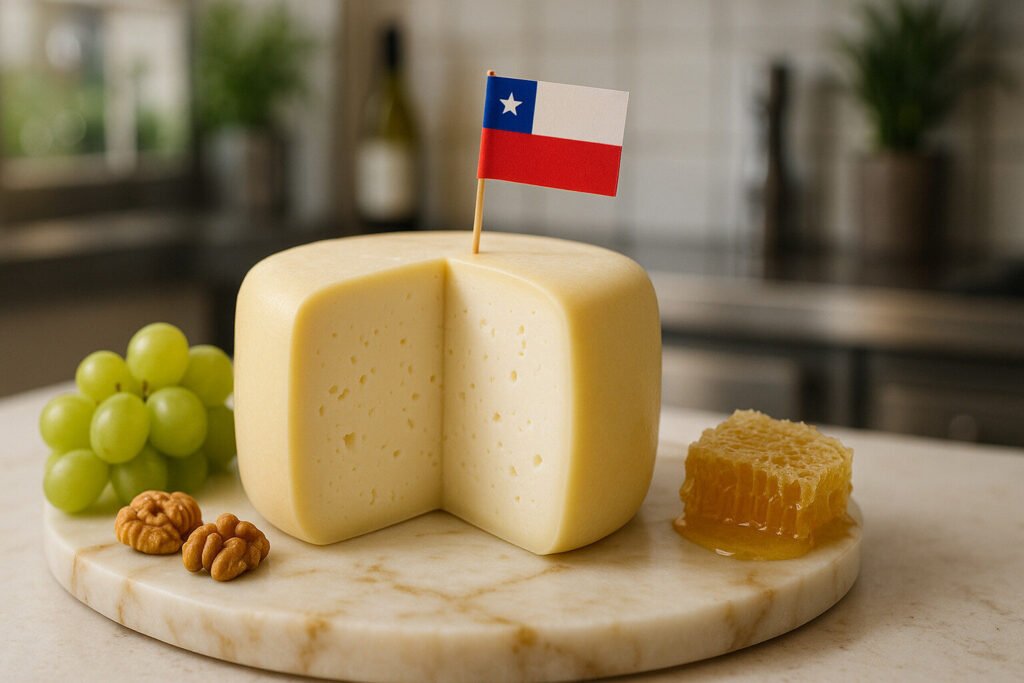
Queso Quesillo typically forms into braids or small balls weighing between 200 and 500 grams. Its exterior is smooth and white, with a slight sheen from its high moisture content. The cheese has a soft, pliable consistency that allows it to stretch easily when pulled apart.
Internally, Queso Quesillo boasts a bright white color and a texture that is both moist and stringy. It contains about 45% fat in dry matter, contributing to its rich mouthfeel. The flavor profile is delicately salty and lactic, with a clean finish that makes it highly approachable.
Queso Quesillo Varieties
Regional adaptations of Queso Quesillo exist across Chile, influenced by local dairy traditions. In the central valleys, producers often make a slightly saltier version using milk from pasture-fed cows. This variety pairs exceptionally well with the area’s robust breads.
Some artisans in southern Chile produce a smoked Queso Quesillo over native woods, adding a subtle smoky note. Another variety incorporates herbs like oregano or merkén, a traditional Chilean spice blend. These flavored versions showcase the cheese’s adaptability to local tastes.
Queso Quesillo History and Traditions
Queso Quesillo has deep roots in Chilean rural life, originating from small farms where families made cheese for daily consumption. Its production supported local economies and provided a reliable source of protein. The cheese became a symbol of hospitality, often served to guests with fresh bread.
The central regions of Chile, famous for their vineyards and agricultural bounty, are the heartland of Queso Quesillo. Here, the cheese features prominently in traditional celebrations like Fiestas Patrias. Families pass down cheesemaking techniques through generations, preserving this culinary heritage.
Queso Quesillo Production Process and Producers
Producers use fresh, whole cow’s milk, often sourced from local dairy farms in regions like Maule and O’Higgins. They heat the milk to about 35°C before adding rennet to form curds. Workers then stretch and knead the curds by hand to develop the characteristic stringy texture.
The cheese undergoes minimal aging, typically consumed within a few days to maintain its freshness. Key producers include small-scale artisans such as Quesos Don Guillermo in Molina, Quesería La Vaquita in Curicó, and Cooperativa Láctea del Sur in Temuco. These producers emphasize traditional methods and high-quality milk.
Quality Labels and Certifications
As to our current knowledge, Queso Quesillo does not hold a protected designation of origin or geographical indication. Many artisans follow informal quality standards based on generations of practice. They prioritize natural ingredients and handcrafted techniques.
Some producers seek organic certifications for their milk sources, ensuring no synthetic additives. There is growing interest in sustainability labels that verify animal welfare and environmental practices. These efforts help maintain the cheese’s artisanal integrity.
Wine or Beverage Pairings
Chilean Sauvignon Blanc makes an excellent pairing with Queso Quesillo, its crisp acidity cutting through the cheese’s richness. A young Carmenère from the Colchagua Valley offers soft tannins that complement the mild flavor. For a non-alcoholic option, try a chilled glass of mote con huesillos, a traditional Chilean peach drink.
Regionally, a glass of pipeño, a rustic Chilean wine, enhances the cheese’s rustic character. International choices like a German Riesling or an Italian Pinot Grigio also work well. Beer lovers can enjoy Queso Quesillo with a pale lager or a light ale.
Suitable Fruit and Vegetables
Fresh tomatoes and avocado slices provide a creamy contrast to Queso Quesillo’s texture. Roasted bell peppers add a sweet, smoky element that elevates the cheese. Serve these vegetables alongside for a simple, vibrant appetizer.
Chilean fruits like cherimoya or lucuma offer tropical sweetness that balances the saltiness. Grilled corn on the cob or a crisp cucumber salad also pair beautifully. These combinations highlight the cheese’s versatility in fresh preparations.
Suitable Meat and Fish Dishes
Queso Quesillo melts perfectly over grilled chicken or beef empanadas, adding a creamy layer. It complements hearty stews like cazuela, a traditional Chilean soup. The cheese’s mildness allows the meat flavors to shine.
For fish dishes, stuff Queso Quesillo into baked salmon or mix it with crab for croquettes. It works well in seafood pastel de choclo, a corn pie. These pairings showcase its ability to enhance both land and sea proteins.
Queso Quesillo Presentation
Remove Queso Quesillo from the refrigerator about 30 minutes before serving to reach an ideal temperature of 18-20°C. Present it on a wooden board or a ceramic plate to maintain its rustic charm. Arrange the braids or balls whole, allowing guests to tear off pieces.
Use a sharp knife for cutting if serving slices, but traditionally, hands work best for pulling apart. Provide small forks or spreaders for easy handling. Garnish with fresh herbs or a drizzle of olive oil to enhance visual appeal.
Queso Quesillo Questions and Answers
What is Queso Quesillo?
Queso Quesillo is a traditional fresh cheese from Chile, known for its soft, stringy texture and mild flavor. It is often shaped into braids and made from cow’s milk. Queso Quesillo is a staple in Chilean cuisine.
How should I store Queso Quesillo?
Store Queso Quesillo in the refrigerator wrapped in parchment paper or in an airtight container. It stays fresh for up to one week. Always keep Queso Quesillo away from strong odors.
Can I freeze Queso Quesillo?
Freezing Queso Quesillo is not recommended as it can alter its texture and make it crumbly. For best quality, consume Queso Quesillo fresh within a few days of purchase.
How do I cut Queso Quesillo?
Cut Queso Quesillo with a sharp knife if serving slices, but it is often torn by hand due to its stringy nature. For even portions, slice Queso Quesillo against the grain of the braid.
Where can I buy Queso Quesillo?
You can buy Queso Quesillo in Chilean specialty stores, Latin markets, or directly from artisanal producers online. Look for Queso Quesillo in the refrigerated cheese article.
What is the shelf life of Queso Quesillo?
The shelf life of Queso Quesillo is short, typically 5-7 days when refrigerated properly. Always check the expiration date on Queso Quesillo packaging.
Can I use Queso Quesillo in cooking?
Yes, Queso Quesillo melts beautifully and is ideal for dishes like empanadas, pastries, and casseroles. Its stretchiness makes Queso Quesillo perfect for grilled cheese sandwiches.
Is Queso Quesillo similar to mozzarella?
Queso Quesillo shares a similar texture to mozzarella but has a distinct, milder flavor profile. Unlike some mozzarella, Queso Quesillo is often handmade in braids.
What milk is used for Queso Quesillo?
Queso Quesillo is primarily made from whole cow’s milk, giving it a rich fat content. Some variations might use mixed milks, but cow’s milk is standard for Queso Quesillo.
How is Queso Quesillo traditionally eaten?
Traditionally, Queso Quesillo is eaten fresh with bread or as a filling in Chilean dishes. It is a key ingredient in Queso Quesillo-based recipes like humitas.
Recipe Ideas
Queso Quesillo and Chicken Empanadas
These empanadas showcase Queso Quesillo’s melting quality in a classic Chilean street food. The cheese blends with seasoned chicken inside a crisp pastry shell. They make perfect appetizers or a main course for a casual meal.
Serve the empanadas hot with pebre, a traditional Chilean salsa. This recipe highlights the versatility of Queso Quesillo in baked goods. You can prepare them ahead and freeze for quick meals.
- 250 grams Queso Quesillo, torn into strips
- 300 grams cooked chicken, shredded
- 1 onion, finely chopped
- 2 cloves garlic, minced
- 1 teaspoon paprika
- 12 empanada discs (15 cm diameter)
- 1 egg, beaten for glaze
- 30 ml olive oil
- Salt and pepper to taste
- Heat olive oil in a pan and sauté onion and garlic until soft.
- Add chicken, paprika, salt, and pepper. Cook for 5 minutes.
- Let the mixture cool, then mix in Queso Quesillo strips.
- Place a spoonful of filling on each empanada disc. Fold and seal edges.
- Brush with beaten egg and bake at 190°C for 20-25 minutes until golden.
Queso Quesillo and Tomato Salad
This fresh salad emphasizes the simplicity of Queso Quesillo with ripe tomatoes. It is a light dish ideal for summer gatherings or as a side. The cheese’s mildness allows the tomato flavors to dominate.
Drizzle with a Chilean olive oil for an authentic touch. The salad comes together in minutes, requiring no cooking. It pairs well with grilled meats or as a standalone starter.
- 200 grams Queso Quesillo, cut into cubes
- 4 large tomatoes, sliced
- 1 small red onion, thinly sliced
- Handful of fresh basil leaves
- 30 ml extra virgin olive oil
- 15 ml red wine vinegar
- Salt and pepper to taste
- Arrange tomato slices on a platter and season with salt.
- Scatter Queso Quesillo cubes and red onion over the tomatoes.
- Tear basil leaves and sprinkle on top.
- Whisk olive oil and vinegar together, then drizzle over the salad.
- Add pepper to taste and serve immediately.
Similar Cheeses and Alternatives
Queso Oaxaca from Mexico shares a similar stringy texture and mild flavor with Queso Quesillo, making it a good substitute. Italian mozzarella, especially the fresh varieties, offers comparable melting properties and a soft consistency. For a firmer option, provolone or scamorza can work in cooked dishes where stretch is desired.
In Chile, queso fresco or queso mantecoso provide alternatives with slightly different textures but similar fresh profiles. When Queso Quesillo is unavailable, these cheeses can replicate its role in traditional recipes. Always consider the dish’s requirements when choosing a substitute.