
In this article
Distinctive Features of Ricotta
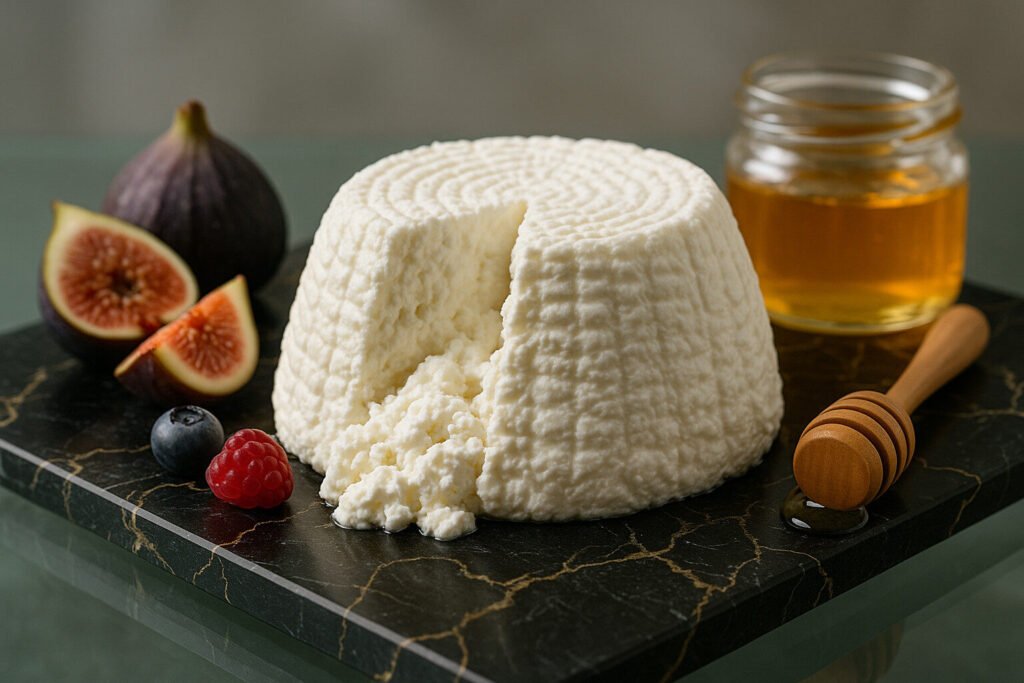
Ricotta typically comes in a soft, moist form with a bright white color. Its texture is slightly grainy yet creamy, and it has a high humidity level around 70 to 80 percent. The cheese feels smooth on the palate and lacks a rind.
Ricotta has a mild, slightly sweet taste with very low salt content. It is often sold in plastic containers or wrapped in paper to retain moisture. Fresh Ricotta should have a clean, milky aroma and a spreadable consistency.
How Ricotta is Typically Used
Ricotta serves as a key ingredient in many classic dishes due to its mild flavor. Cooks frequently use it as a filling for pasta like ravioli or lasagna. It also enhances desserts such as cannoli and cheesecakes with its creamy texture.
- As a filling for stuffed pasta shells or manicotti
- Mixed into ricotta cheesecake or traditional Italian pies
- Spread on crusty bread with olive oil and herbs
- Whipped into dips or used as a base for creamy sauces
- Added to pancakes or muffins for extra moisture and protein
Nutrition Values and Using Ricotta in Diets
| Nutrient | Amount per 100g |
|---|---|
| Energy | 174 kcal |
| Fat | 13 g |
| Protein | 11 g |
| Carbohydrates | 3 g |
| Sodium | 84 mg |
| Calcium | 207 mg |
Ricotta provides a good source of protein and calcium for bone health. Its moderate fat content makes it suitable for balanced diets when consumed in portions. People on low-carb plans can enjoy Ricotta due to its minimal carbohydrate levels.
For weight management, Ricotta offers high protein that promotes fullness. Individuals with lactose intolerance should choose aged Ricotta or consume it in small amounts. Opting for part-skim Ricotta reduces fat intake while maintaining nutritional benefits.
Ingredients and Production Process of Ricotta
Ricotta production begins with whey, a byproduct from making cheeses like Pecorino. Producers sometimes add whole milk or cream to enrich the flavor and texture. An acidifying agent, such as vinegar or citric acid, is essential for coagulation.
Cheesemakers heat the whey to about 85 degrees Celsius to denature proteins. They stir in the acid slowly to ensure even curd formation. This heating process activates the proteins left in the whey.
The curds rise to the surface and are carefully skimmed off with perforated tools. Workers drain the curds in baskets or molds for several hours. Draining removes excess whey and achieves the desired moist consistency.
After draining, Ricotta is cooled rapidly to preserve freshness. It is then packaged and often consumed within days. Some varieties undergo salting or light aging for deeper flavor profiles.
Questions and Answers about Ricotta
What is Ricotta?
Ricotta is a fresh Italian cheese made from whey. It has a soft, grainy texture and a mild, sweet taste. Ricotta is versatile in cooking and desserts.
How should I store Ricotta?
Store Ricotta in its original container in the refrigerator at 4 degrees Celsius. Keep Ricotta covered to prevent it from absorbing odors. Use Ricotta within five days for best quality.
Can I freeze Ricotta?
Yes, you can freeze Ricotta, but it may become grainy upon thawing. Freeze Ricotta in an airtight container for up to three months. Thaw Ricotta slowly in the refrigerator before use.
How long does Ricotta last?
Fresh Ricotta lasts about one week in the refrigerator. Check the expiration date on the package. Discard Ricotta if it develops an off smell or mold.
Is Ricotta good for cooking?
Ricotta excels in cooking due to its mild flavor and creamy texture. Use Ricotta in pasta fillings, baked dishes, or sauces. It melts well and adds richness to recipes.
What are common dishes with Ricotta?
Common dishes include lasagna, cannoli, and ricotta pancakes. Ricotta also features in salads and spreads. Many cultures incorporate Ricotta into traditional recipes.
Where can I buy Ricotta?
Buy Ricotta at supermarkets, cheese shops, or farmers’ markets. Look for fresh Ricotta in the dairy article. Some stores offer artisanal Ricotta with unique characteristics.
How do I make Ricotta at home?
Make Ricotta by heating whey or milk with acid like lemon juice. Strain the curds through cheesecloth. Homemade Ricotta is easy and rewarding to prepare.
Is Ricotta lactose-free?
Ricotta contains lactose, but levels vary. Aged Ricotta has less lactose. Lactose-intolerant individuals should consume Ricotta in moderation.
What health benefits does Ricotta offer?
Ricotta provides protein for muscle repair and calcium for bones. It is relatively low in carbohydrates. Include Ricotta in a balanced diet for nutritional value.
Ricotta Varieties in Different Countries
Ricotta in Italy
Italian Ricotta is the original version, made from sheep, cow, or goat whey. It has a delicate flavor and is often consumed fresh. Regional variations include Ricotta Romana from Lazio and Ricotta Salata, which is salted and aged.
In Sicily, Ricotta is used in cannoli and has a slightly tangier taste. Artisanal producers in Italy maintain traditional methods for authenticity. Italian Ricotta typically has a moisture content of 70 to 75 percent.
Ricotta in the United States
American Ricotta often includes whole milk for a creamier texture. It is widely available in supermarkets and used in Italian-American dishes. US producers may add stabilizers to extend shelf life.
This variety is slightly sweeter and smoother than traditional Italian Ricotta. It works well in recipes like stuffed shells and cheesecakes. American Ricotta has a fat content around 10 to 15 percent.
Ricotta in Australia
Australian Ricotta is similar to the Italian style but often made from cow’s milk. It has a light, fresh taste and is popular in cafes and homes. Producers emphasize local, high-quality milk sources.
This Ricotta is used in modern fusion dishes and desserts. Australian versions may be less salty than some European types. The cheese maintains a soft, spreadable consistency ideal for baking.
Ricotta in the United Kingdom
British Ricotta is typically made from cow’s whey and has a mild flavor. It is incorporated into both traditional and contemporary recipes. UK producers often focus on organic and sustainable methods.
This variety is common in vegetarian cooking and pastry fillings. British Ricotta may have a slightly firmer texture due to different draining times. It pairs well with fruits and honey in desserts.
Ricotta in France
French Ricotta, known as Recuite, is similar but often made from goat or sheep milk. It has a distinct tangy note and is used in regional dishes. French producers age some versions for a stronger flavor.
This cheese is common in Provencal cuisine, such as in tarts and spreads. French Ricotta tends to be less grainy and more creamy. It reflects the country’s rich dairy traditions.
Ricotta Around the World
Ricotta varieties share a common base of whey and mild flavor profiles globally. Similar production techniques involve heating whey and adding acid for curdling. This consistency makes Ricotta a recognizable cheese in many cuisines.
Differences arise from local milk types, added ingredients, and aging practices. For example, American Ricotta is creamier, while Italian versions stay truer to tradition. These variations allow Ricotta to adapt to diverse culinary needs.
Ricotta continues to inspire chefs and home cooks with its adaptability and gentle taste. Its global presence highlights the cheese’s enduring appeal. Enjoy Ricotta in your next meal to experience its unique qualities.