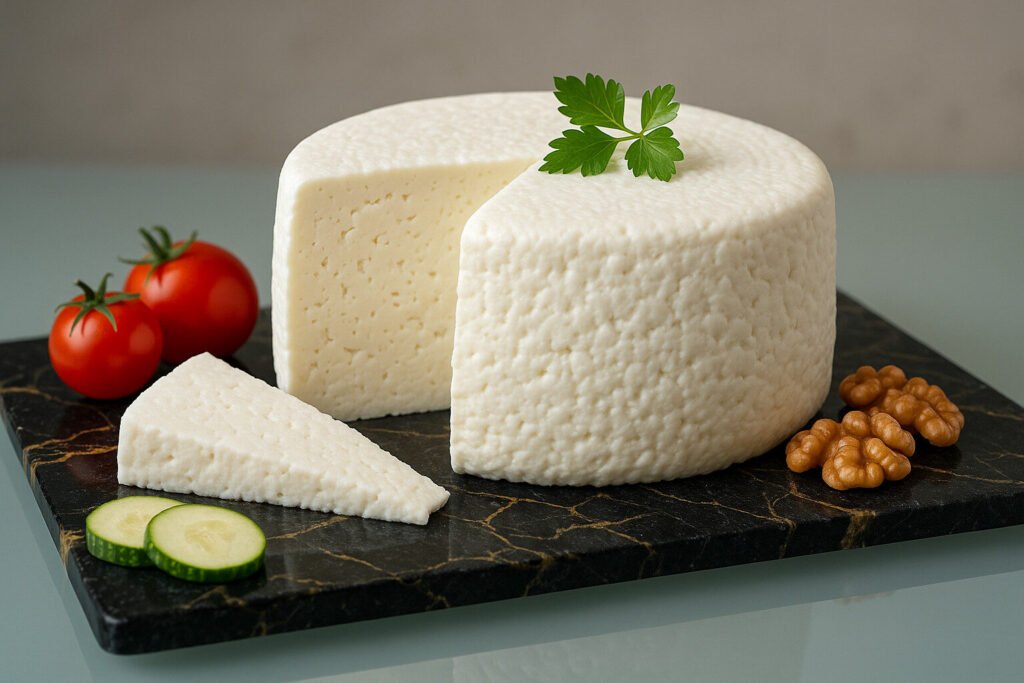
Acid Coagulation Cheese
Definition of Acid Coagulation Cheese
Acid coagulation cheese is a type of cheese produced by acidifying milk to cause the proteins to coagulate, forming curds without the use of rennet. This method relies on the addition of food-grade acids or the natural production of acid by bacterial cultures.
The resulting cheese typically has a mild, tangy flavor and a soft, moist texture, making it distinct from rennet-coagulated varieties. Common examples include cottage cheese, queso fresco, and some types of fresh goat cheese.
Production Process
The production begins with pasteurized milk, which is heated to a specific temperature before an acidifying agent is introduced. This agent can be a direct acid like vinegar or lemon juice, or a bacterial culture that produces lactic acid over time.
As the acid level increases, the casein proteins in the milk denature and aggregate, separating into solid curds and liquid whey. The curds are then cut, drained, and sometimes pressed to achieve the desired consistency and moisture content.
Key Characteristics
Acid coagulation cheeses are generally characterized by their high moisture content, mild acidity, and lack of a rind. They are often consumed fresh and do not undergo aging, which preserves their delicate flavor and soft texture.
These cheeses may vary in firmness from spreadable to crumbly, depending on the specific production techniques and ingredients used. Their simplicity makes them versatile in both sweet and savory culinary applications.
Common Varieties
Several well-known cheeses are made through acid coagulation, including paneer, ricotta, and cream cheese. Each variety has unique attributes based on the type of milk, acid used, and additional processing steps.
For instance, paneer is often made with lemon juice or vinegar and is popular in South Asian cuisine, while ricotta is traditionally produced from whey left over from other cheese-making processes, giving it a light, grainy texture.
Uses and Nutritional Information
Acid coagulation cheeses are widely used in cooking due to their ability to melt smoothly or hold shape when heated. They are common in dishes like lasagna, cheesecakes, salads, and spreads, adding creaminess and a subtle tang.
Nutritionally, these cheeses are good sources of protein and calcium but can be high in fat and sodium depending on the milk and preparation method. They are often lower in calories than aged cheeses and can be part of a balanced diet when consumed in moderation.