
Rässkäse: A Liechtenstein Alpine Cheese Guide
Discover Rässkäse, a traditional cheese from Liechtenstein known for its unique flavor and artisanal craftsmanship. Perfect for cheese lovers.
Rässkäse: A Liechtenstein Alpine Cheese Guide Read More »
Alpine refers to the high mountain regions found above the tree line, characterized by rugged terrain and extreme weather conditions. These areas are typically located in mountainous regions across the world where environmental conditions create unique ecosystems.
The term originates from the Alps mountain range in Europe but has been adopted globally to describe similar high-altitude environments. Alpine zones are defined by specific climatic and biological characteristics that distinguish them from lower elevation areas.
Alpine climates are marked by low temperatures, strong winds, and significant snowfall throughout much of the year. The thin atmosphere at high altitudes results in intense solar radiation and rapid temperature fluctuations between day and night.
These harsh conditions create a short growing season where only specialized vegetation can survive. The combination of freezing temperatures, limited precipitation as rain, and poor soil development shapes the distinctive alpine landscape.
Alpine plants have evolved remarkable adaptations to survive in extreme conditions, including low-growing forms, deep root systems, and protective hairs. Common vegetation includes hardy grasses, mosses, lichens, and dwarf shrubs that form dense ground cover.
The limited biodiversity in alpine regions features species specifically adapted to withstand freezing temperatures, strong winds, and intense ultraviolet radiation. Many alpine plants grow in sheltered microhabitats and have developed strategies for rapid growth during brief summer periods.
Alpine animal species possess specialized adaptations for survival in high-altitude environments, including thick fur, enhanced oxygen-carrying capacity, and behavioral adaptations. Mammals such as mountain goats, marmots, and snow leopards are characteristic of these regions.
Bird species including eagles, ptarmigans, and snow finches inhabit alpine areas, while insects and other invertebrates remain active during warmer months. Many alpine animals migrate to lower elevations or hibernate during the harsh winter season.
Alpine regions attract numerous recreational activities including mountaineering, skiing, hiking, and nature tourism. These areas present both opportunities for adventure and significant challenges due to their remote and hazardous nature.
Human settlement in alpine zones is limited but includes seasonal grazing, scientific research stations, and tourism infrastructure. Conservation efforts focus on protecting fragile alpine ecosystems from the impacts of climate change and increasing human presence.
Discover Rässkäse, a traditional cheese from Liechtenstein known for its unique flavor and artisanal craftsmanship. Perfect for cheese lovers.
Rässkäse: A Liechtenstein Alpine Cheese Guide Read More »
Discover Sbrinz, Switzerland’s hard, granular cheese with a nutty flavor. Perfect for grating over pasta or enjoying as a snack.
Sbrinz Cheese: Swiss Alpine Taste and Pairings Read More »
Discover Sbrinz, a hard Swiss-style cheese from Liechtenstein. Enjoy its nutty flavor and granular texture, perfect for grating or snacking.
Sbrinz Cheese: Taste and Pairings from Liechtenstein Read More »
Discover Swiss Tilsiter cheese, a semi-hard delight with a tangy, savory flavor perfect for sandwiches, snacking, and melting.
Tilsiter Cheese: Swiss Varieties Taste and Pairings Read More »
Discover Bohinjski sir, a traditional Slovenian cheese known for its rich flavor and artisanal heritage. Perfect for cheese lovers.
Bohinjski Sir: A Taste of Slovenia’s Alpine Cheese Read More »

Discover Appenzeller, a classic Swiss cheese with a tangy, aromatic flavor. Perfect for cheese boards and melting in traditional dishes.
Appenzeller Cheese of Switzerland: Taste and Pairings Read More »
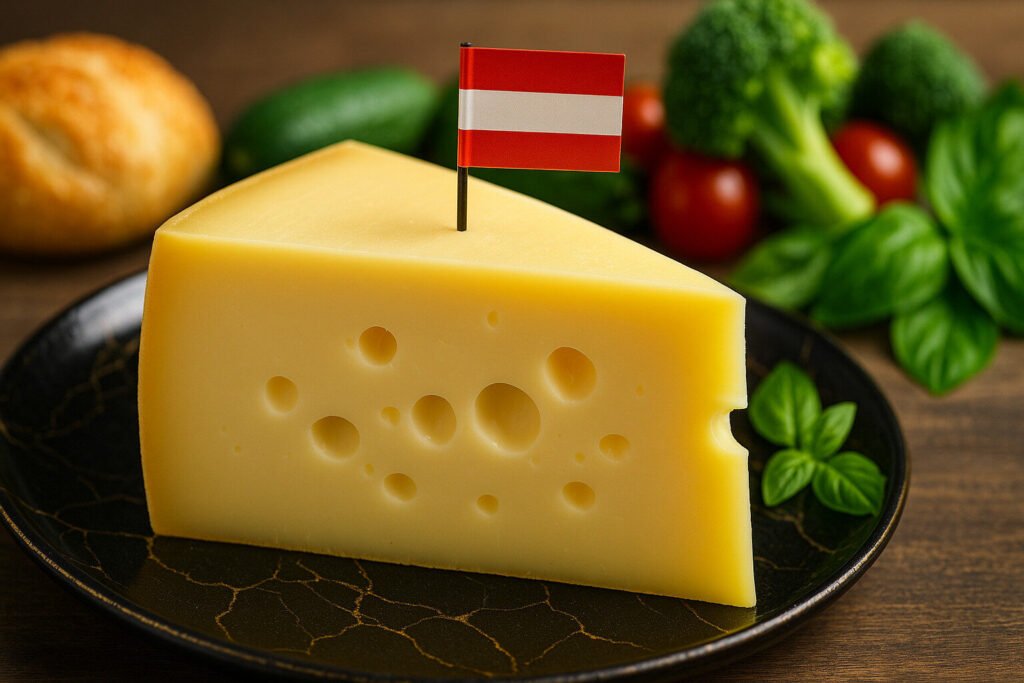
Discover Bergkäse, Austria’s mountain cheese. Aged to perfection, it offers a firm texture and rich, nutty flavor. Perfect for cheese boards and cooking.
Austrian Bergkäse: Alpine Cheese Guide Read More »
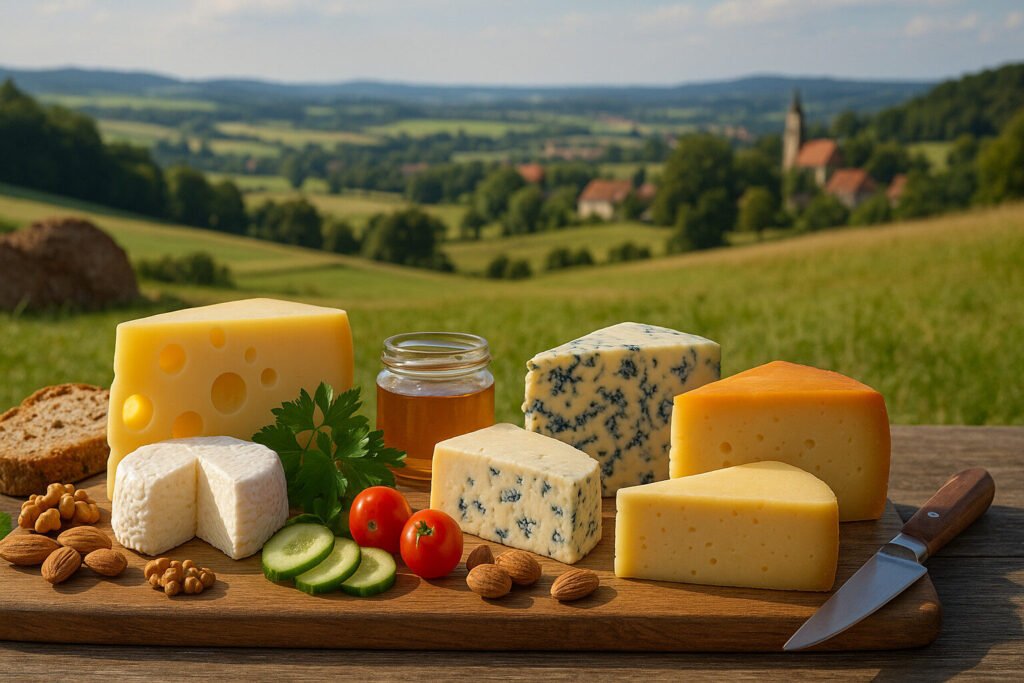
Central Europe boasts a rich and diverse cheese-making tradition. This region, encompassing Germany, Austria, Switzerland, Czechia, and Slovakia, produces an in
Central Europe Cheese: A Comprehensive Guide Read More »

An emblem of Slovenian dairy prowess, Bovški Sir, also known as Bovec Cheese, is an artisanal product admired for its
Discovering Bovški Sir cheese of Slovenia Read More »
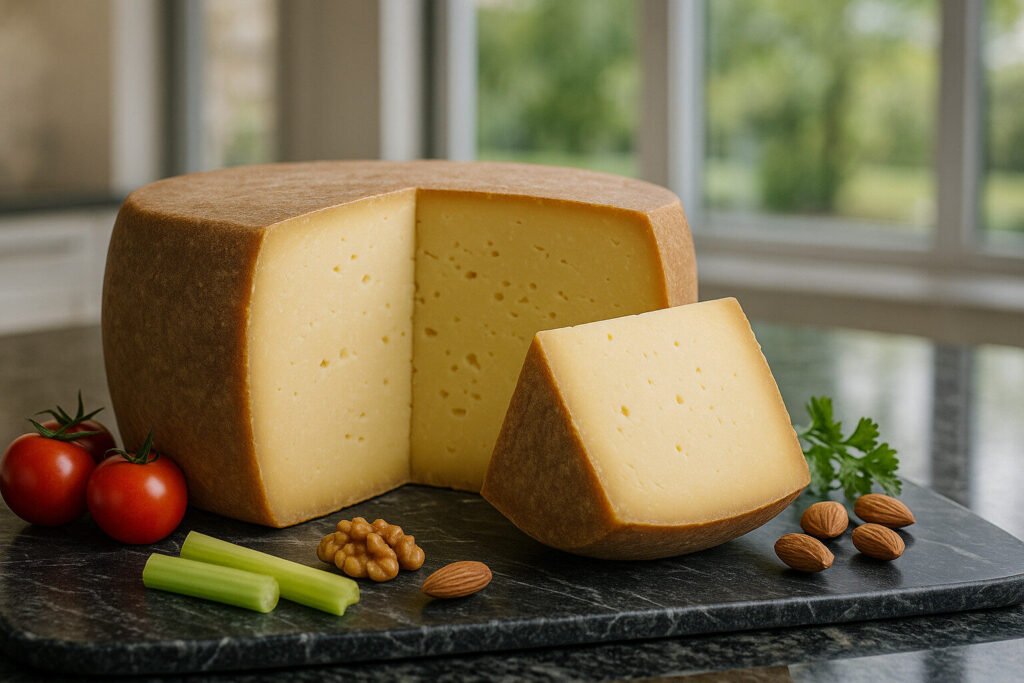
Discover Gruyere cheese from International. Nutty, creamy, and perfect for melting in fondues or topping French onion soup.
Gruyere Cheese – Internationally Famous Read More »
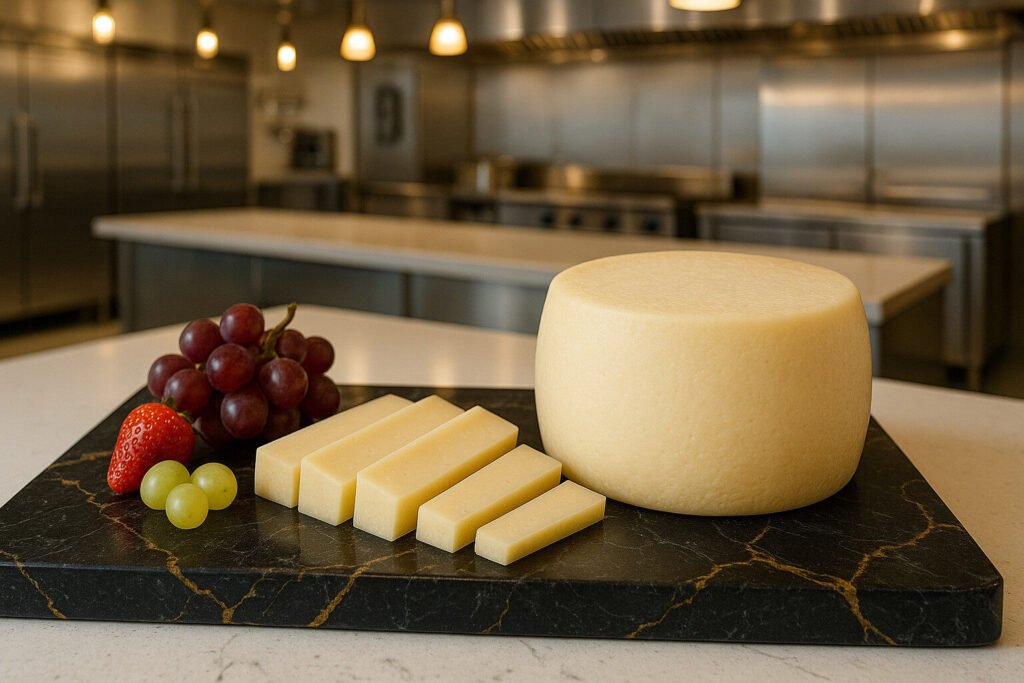
Discover International Asiago cheese, a versatile Italian favorite perfect for grating, snacking, and elevating your meals with rich flavor.
Asiago Cheese – A Global Guide Read More »
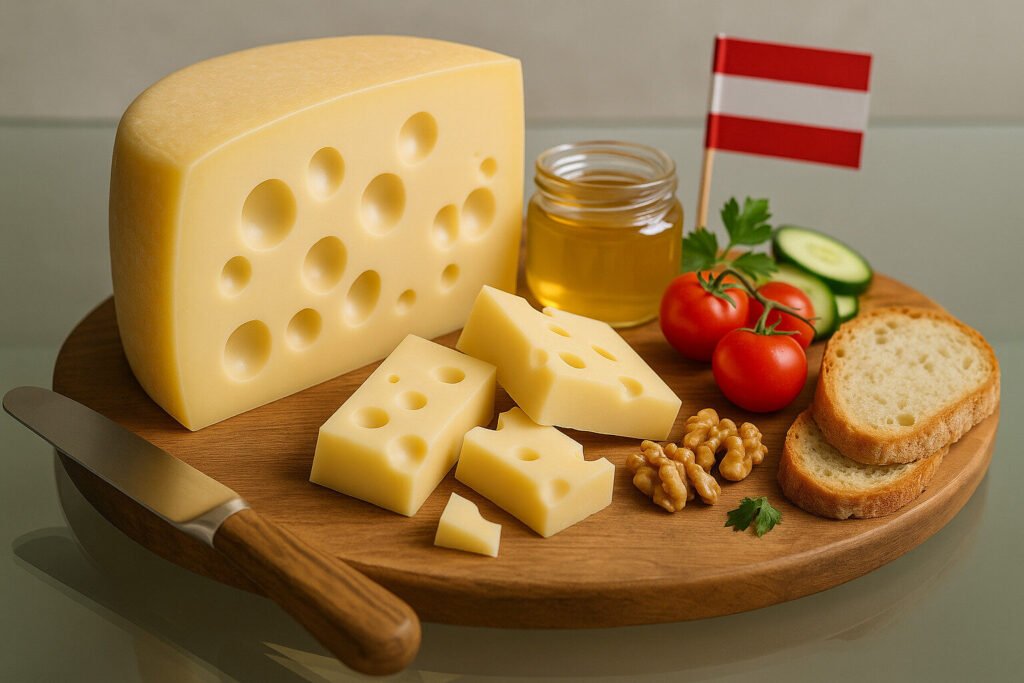
Discover Austria’s Emmentaler cheese, known for its nutty flavor and iconic holes. Perfect for sandwiches and fondue.
Emmentaler Cheese from Austria in Portrait Read More »

Discover Liptauer, a zesty Austrian cheese spread with paprika and herbs. Perfect for snacking or entertaining with bold flavor.
Authentic Liptauer Cheese from Austria Read More »

Discover Travesset cheese from Andorra. Enjoy its unique flavor and artisanal quality in every bite.
Travesset Cheese from Andorra: A Unique Taste from the Pyrenees Read More »
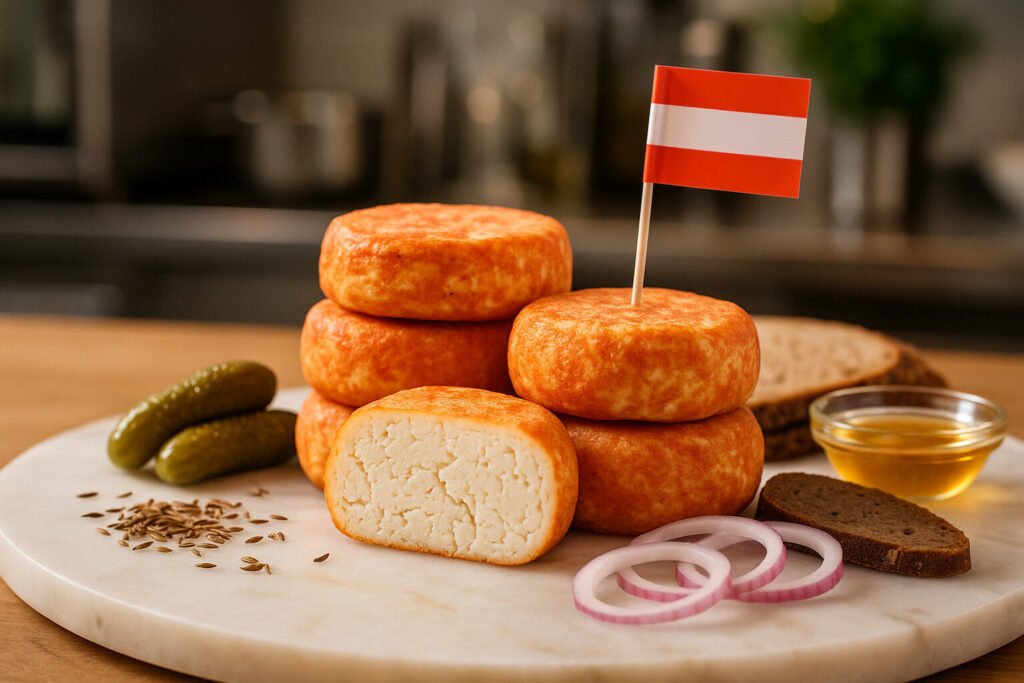
Discover Sauermilchkäse, a tangy Austrian cheese made from soured milk. Perfect for bold cheese lovers seeking authentic Alpine flavors.
Sauermilchkäse – A Traditional Austrian Cheese Read More »
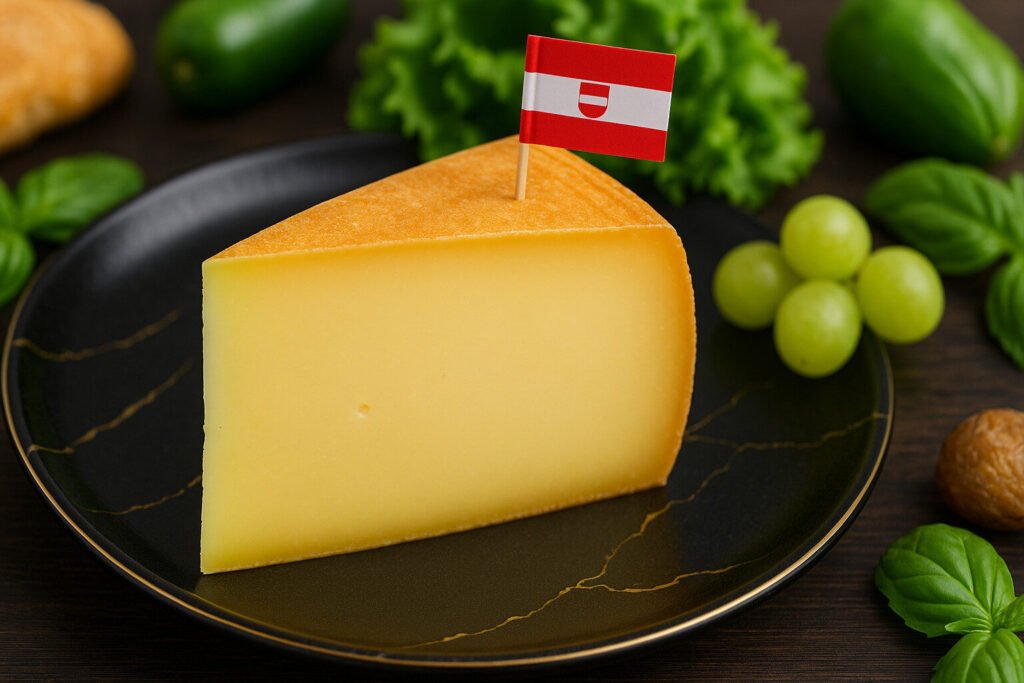
Discover Vorarlberger Bergkäse, a savory Austrian mountain cheese with a firm texture and nutty flavor, perfect for snacking or melting.
Vorarlberger Bergkäse: Austrian Alpine Cheese Read More »
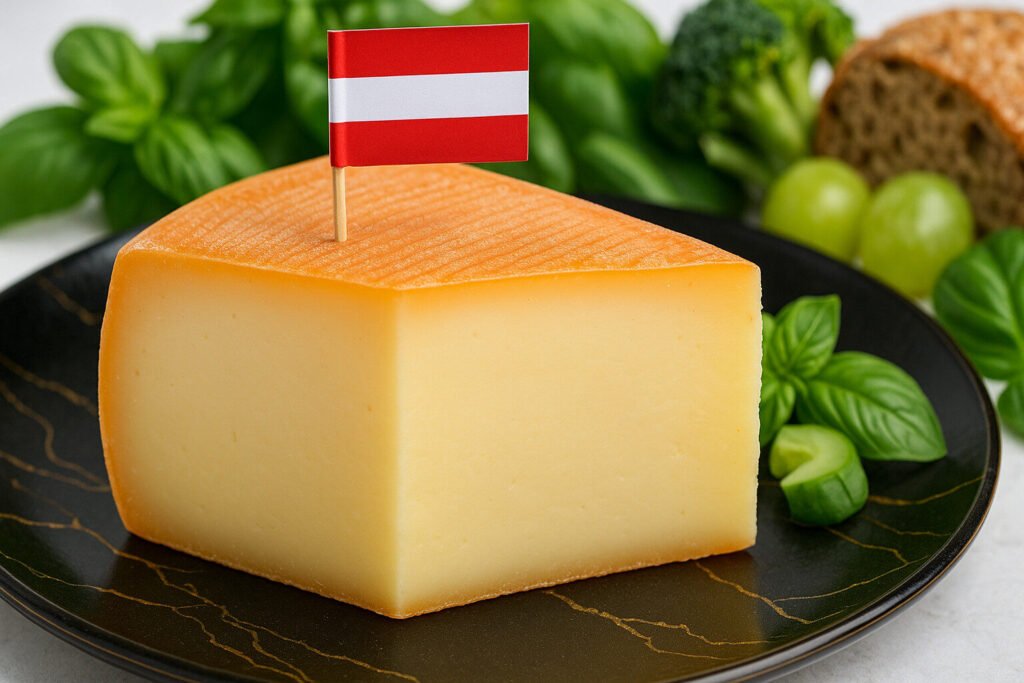
Discover Schlosskäse, a traditional Austrian cheese known for its rich flavor and smooth texture. Perfect for cheese boards and gourmet recipes.
Schlosskäse: A Classic Austrian Alpine Cheese Read More »

When it comes to excellence in the world of cheese, one name often stands out in the crowd. Asiago, a
Discovering Asiago Cheese of Italy Read More »
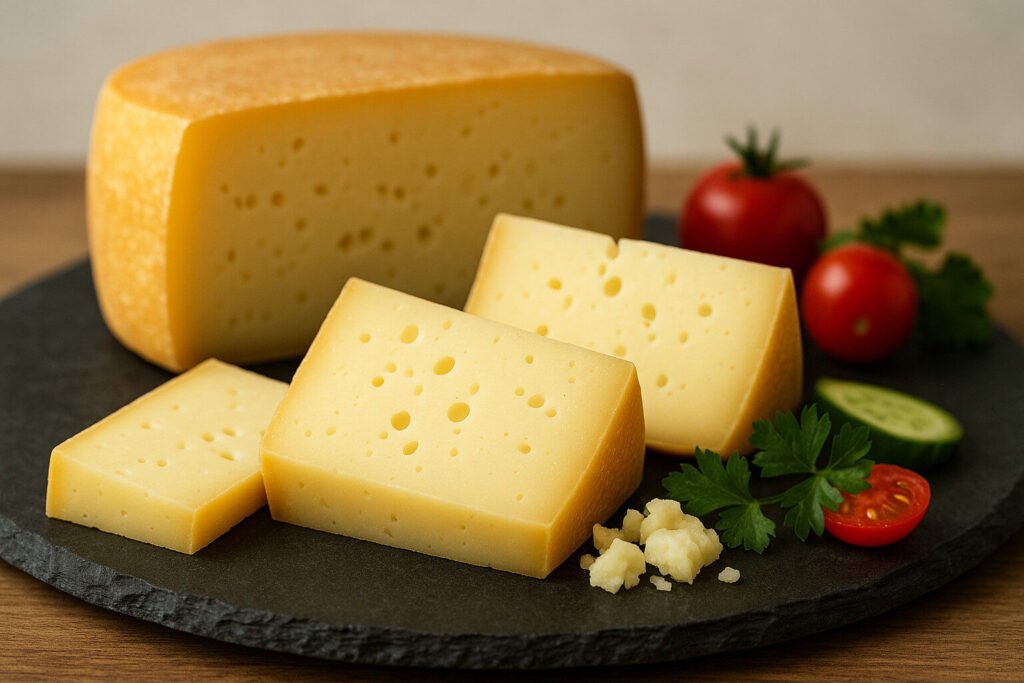
Planika cheese emerges from the stunning Triglav National Park, taking its name from the Slovene term for Edelweiss, a flower
Discovering Planika Cheese of Slovenia Read More »

Tolminc cheese, celebrated far and wide for its unique taste and exceptional characteristics, is a robust hard cheese from Slovenia.
Discovering Tolminc Cheese of Slovenia Read More »
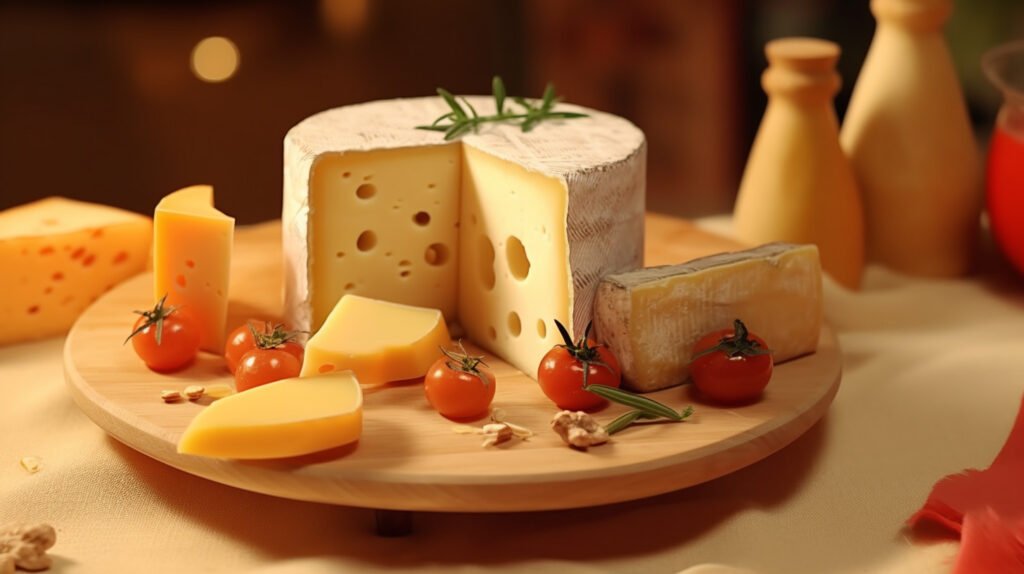
Unraveling the Rich and Creamy Mystique of Fontina Cheese If there’s one cheese that surely stands out among the multitude
Discovering Fontina cheese Read More »