Blue Veined Cheese
Definition and Scope
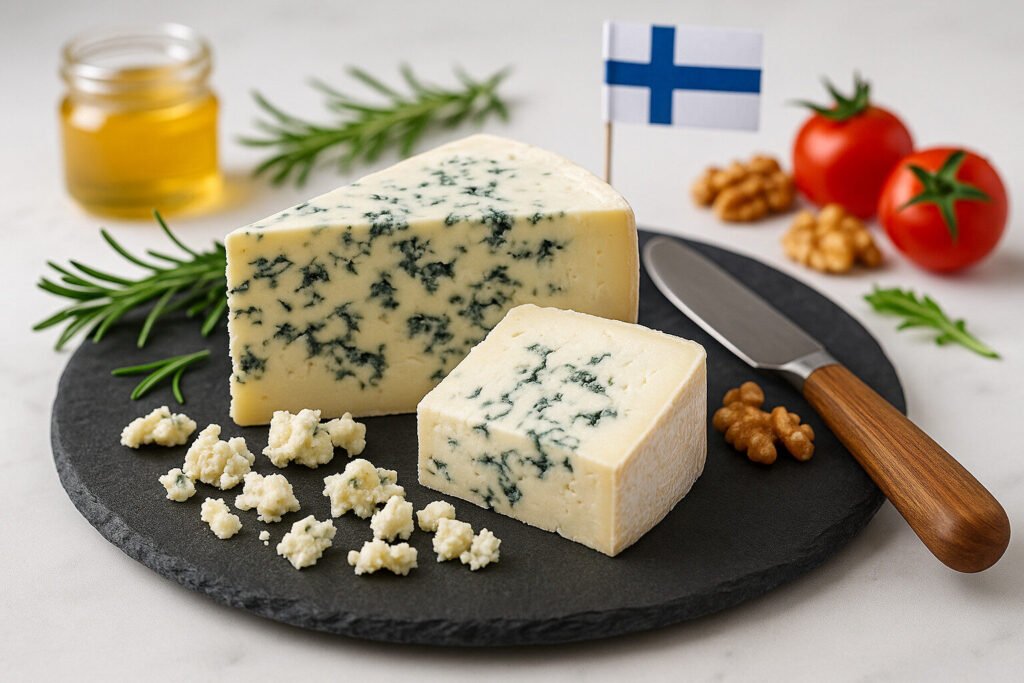
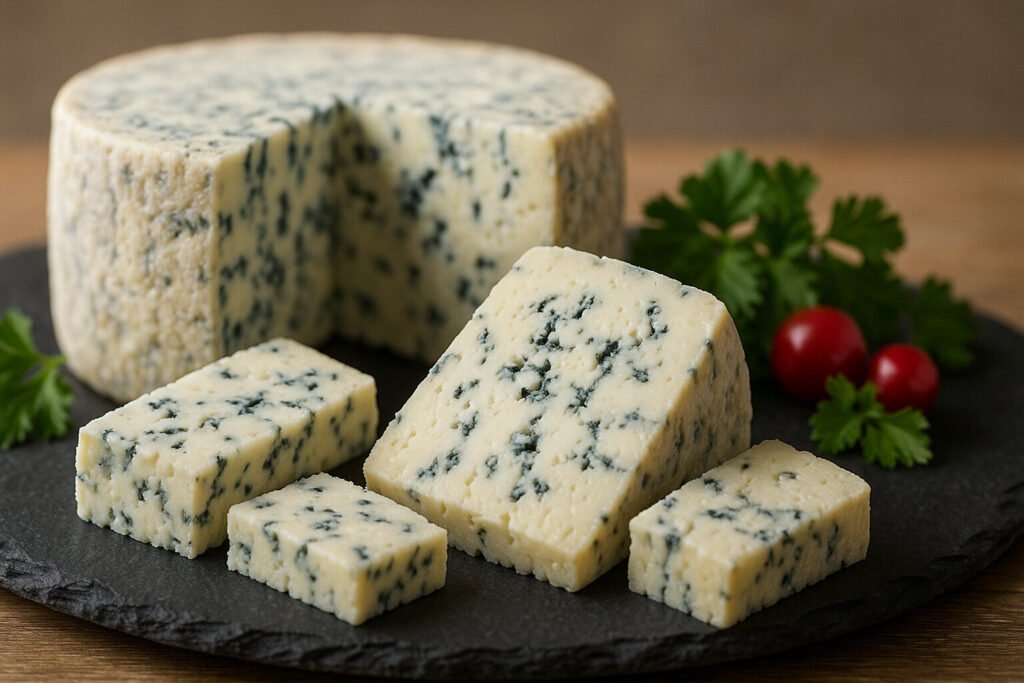
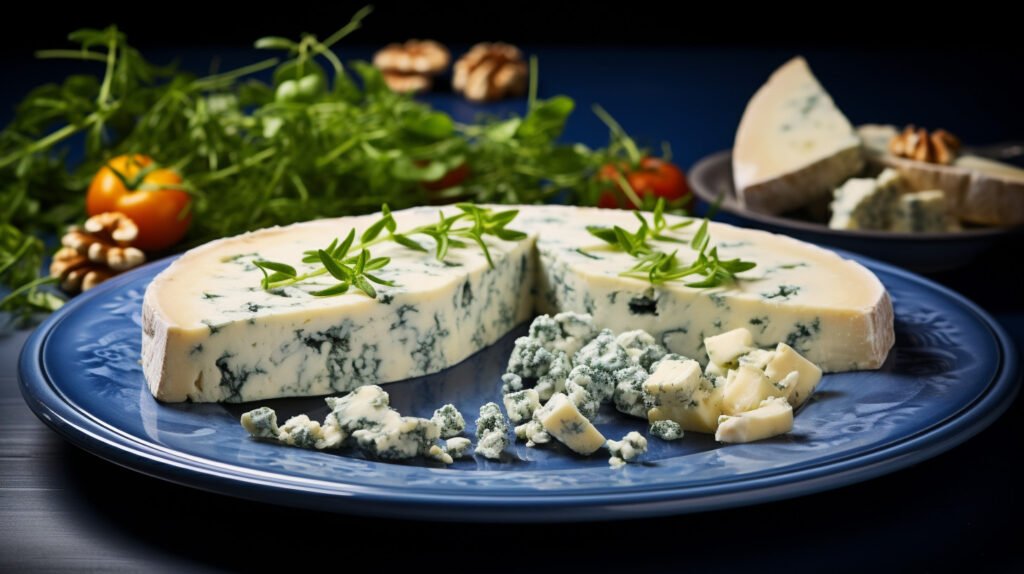
Blue-veined cheeses are defined by their characteristic marbling of blue, grey, or green Penicillium mold. This category includes cheeses intentionally inoculated with mold spores to develop internal veining during aging. The style is not bound to a specific milk type, encompassing varieties made from cow, sheep, or goat’s milk.
The scope of blue cheese is global, with protected designations of origin for specific regional examples. These cheeses are typically aged in temperature and humidity-controlled environments to encourage mold growth. Their textures range from crumbly and dry to creamy and spreadable, depending on moisture content and aging duration.
Production Process
Production begins with the introduction of Penicillium roqueforti or Penicillium glaucum cultures into the milk or curds. The cheese is then pierced with needles to create air channels, which allow oxygen to penetrate the interior. This oxygenation is crucial for triggering the mold’s growth and development of the signature veining.
Aging occurs in caves or specialized curing rooms with high humidity levels around 95%. The temperature is maintained between 46-50°F (8-10°C) to control mold proliferation. This process typically lasts from two to six months, during which the cheeses are regularly turned and monitored for quality.
Sensory Profile
Blue-veined cheeses present a pronounced piquant flavor profile with salty, savory notes. The intensity varies from mildly tangy to aggressively sharp depending on age and specific mold strain. Common aroma descriptors include earthy, mushroom-like, and sometimes slightly metallic undertones.
The texture spectrum ranges from semi-soft to firm, often exhibiting a creamy mouthfeel that contrasts with visible mold veins. Younger blues tend to be moister and more crumbly, while aged versions become drier and more crystalline. The salt content is generally higher than in many other cheese categories to balance the mold’s pungency.
Culinary Applications
Blue cheeses serve as both table cheeses and cooking ingredients due to their strong flavor impact. They are commonly crumbled over salads, steak, and burgers where their saltiness enhances other components. In sauces and dressings, they provide depth and umami characteristics when melted or blended.
Pairing considerations include sweet accompaniments like honey, figs, and pears that counterbalance the saltiness. Full-bodied red wines and dessert wines complement their intensity, while robust beers like stouts create favorable contrasts. Cooking applications extend to stuffed meats, compound butters, and gourmet pizza toppings.
Regional Examples
Roquefort from France represents a protected sheep’s milk blue aged in Combalou caves. Stilton from England is a protected designation cheese made in Derbyshire, Leicestershire, and Nottinghamshire. Gorgonzola from Italy’s Lombardy region comes in two varieties: Dolce (sweet and creamy) and Piccante (firmer and sharper).
Cabrales from Spain’s Asturias region is notable for its intense flavor from cave aging. Danish Blue represents a more modern, milder interpretation widely exported globally. These regional variations demonstrate how terroir, milk type, and aging methods create distinct expressions within the blue-veined category.