Brittle Cheese
Definition and Scope
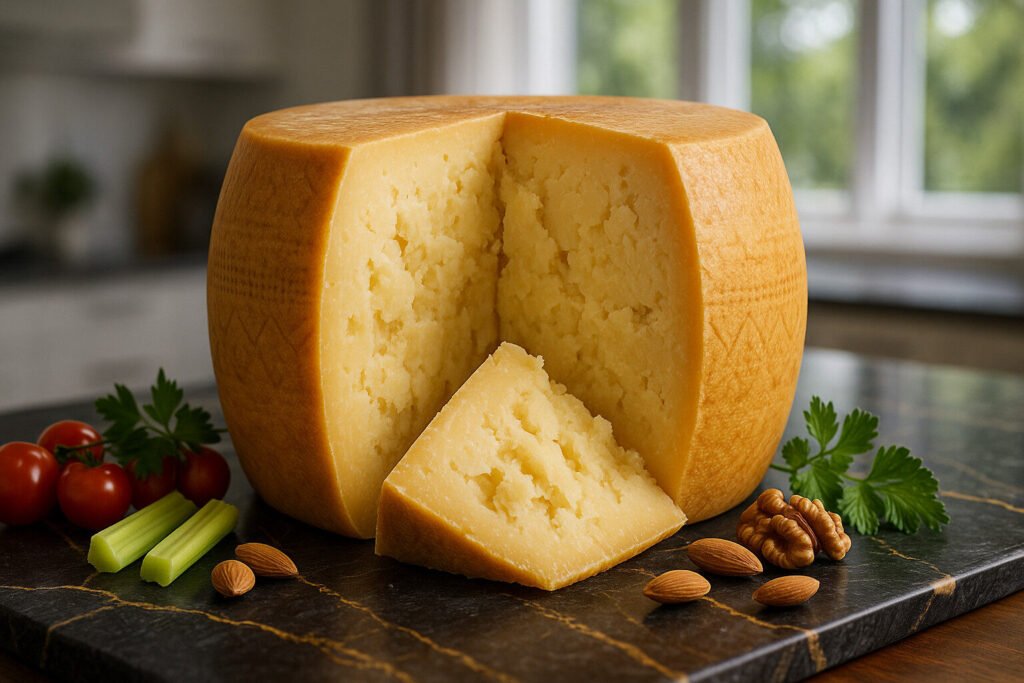
Brittle cheese refers to a category defined by its physical texture and fracture properties. These cheeses exhibit a dry, crumbly consistency that breaks apart under minimal pressure. This textural quality results from specific moisture content and aging processes. Brittle cheeses are distinct from pliable or elastic varieties.
The scope includes cheeses that shatter or granulate rather than slice cleanly. This characteristic is common in aged, hard cheeses and some fresh, acid-set varieties. Classification depends on rheological properties measured by cheese scientists. The category crosses several traditional cheese families based on production method.
Production Methods
Brittle texture develops through controlled moisture reduction during cheesemaking. Producers achieve this through extended pressing, cooking curds at high temperatures, and prolonged aging. Acid-coagulated cheeses become brittle through rapid whey expulsion. The protein matrix forms with minimal fat interference.
Specific techniques include dry stirring of curds and elevated aging temperatures. Many brittle cheeses undergo extensive mechanical opening during formation. Salt penetration patterns further contribute to the fracturable structure. These methods create the characteristic open, granular texture.
Sensory Profile
Brittle cheeses deliver immediate textural impact upon tasting. The initial fracture releases concentrated flavor compounds rapidly. This creates an intense sensory experience despite the dry mouthfeel. The crumbling action distributes flavor evenly across the palate.
Aromas tend toward earthy, nutty, or caramelized notes in aged varieties. Fresh brittle cheeses present cleaner, acidic profiles. The lack of elasticity allows for quick flavor dissolution. This texture-flavor interaction defines the eating experience.
Culinary Applications
Brittle cheeses serve specific functional roles in food preparation. Their crumbly nature makes them ideal for sprinkling over salads and pasta. They incorporate well into baked goods and stuffings without becoming stringy. The texture provides contrasting elements in composed dishes.
These cheeses typically withstand high heat without excessive oil separation. They maintain structural integrity when grated or shaved. Their low moisture content makes them excellent for breading and crust formations. Cooking applications leverage both their texture and concentrated flavor.
Regional Examples
English Cheshire cheese represents a classic brittle variety with its loose, crumbly body. Its mechanical openness and slight granularity exemplify the category. Lancashire cheese demonstrates how brittleness varies with aging time. These British territorial cheeses establish the textbook standard.
Greek Feta, despite its brine storage, exhibits brittle properties when removed from liquid. Italian Ricotta Salata achieves brittleness through pressing and drying. Mexican Cotija becomes increasingly brittle with extended aging. These examples show how brittleness appears across diverse cheese-making traditions.