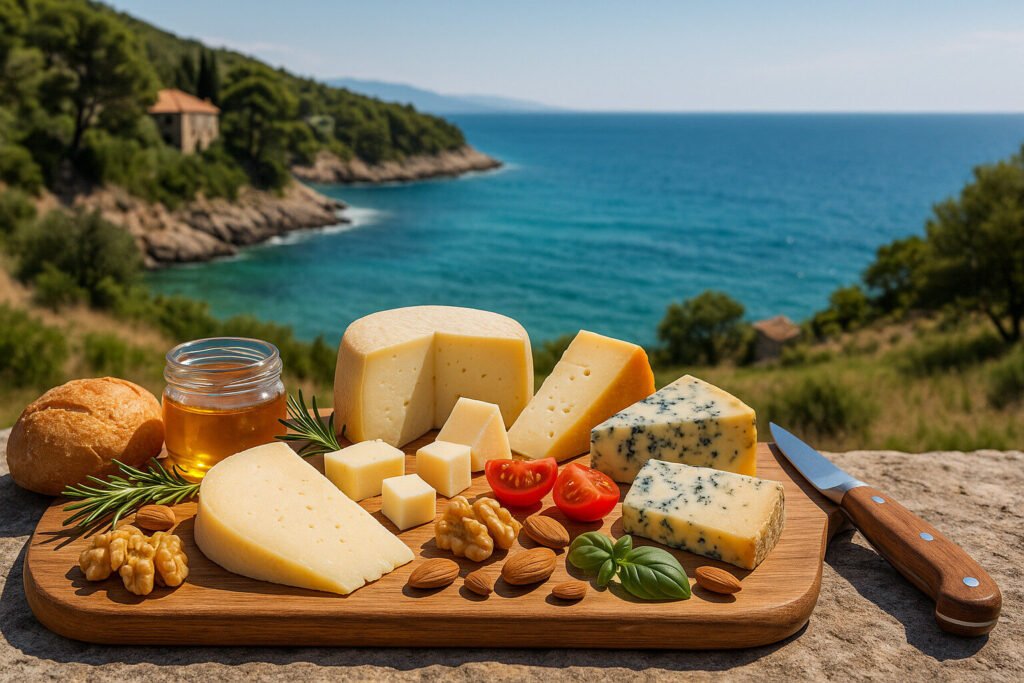
Cheese Of Adriatic Region
Definition and Scope
Cheese from the Adriatic Region encompasses dairy products crafted along the eastern Italian and western Balkan coastlines. This category includes varieties influenced by Mediterranean climates and traditional husbandry practices. These cheeses often utilize milk from sheep, goats, or cows grazing on coastal pastures.
The scope extends from fresh, moist cheeses to aged, hard types with protected designations. Many Adriatic cheeses hold European PDO status, ensuring geographical authenticity. They represent a distinct segment within broader cheese taxonomy due to their unique terroir.
Production Techniques
Traditional Adriatic cheese production frequently involves raw milk and animal rennet. Many varieties undergo brining or oil-rubbing during maturation, creating characteristic rinds. Coastal humidity and sea air significantly impact the aging process in cellars and caves.
Some producers maintain ancient methods like cheese aging in lamb skins or under olive oil. Modern facilities combine these traditions with temperature-controlled environments. The production scale ranges from small family farms to established creameries following protected protocols.
Sensory Profile
Adriatic cheeses typically present pronounced salty notes from marine-influenced aging environments. Many varieties develop complex umami flavors alongside herbaceous undertones from pasture grazing. Texture varies widely from creamy and spreadable to granular and crystalline in aged specimens.
Distinct aroma profiles include briny, lactic, and sometimes slightly pungent characteristics in longer-aged examples. The paste color ranges from snowy white in fresh cheeses to deep gold in oil-cured types. These sensory attributes directly reflect the region’s specific production methods and microclimates.
Culinary Applications
Fresh Adriatic cheeses like skuta serve as table cheeses or dessert components with honey and fruits. Firm, aged varieties such as Paški sir are grated over pasta dishes or shaved onto salads. Many regional cheeses feature prominently in traditional baked goods and stuffed pasta fillings.
Oil-preserved cheeses often accompany cured meats and olives in antipasto platters. Several varieties melt exceptionally well, making them ideal for seafood risottos and vegetable gratins. Their robust flavors allow them to stand alone as course conclusions with local wines.
Regional Examples
Notable Italian Adriatic cheeses include Fiore Sardo from Sardinia and various Pecorino styles from coastal Marche. Croatian islands produce celebrated sheep’s milk cheeses like Paški sir from Pag and sir iz mišine from Dalmatia. Slovenian coastal regions craft Tolminc cheese with protected geographical status.
Bosnia and Herzegovina contributes Livno cheese, a semi-hard cow’s milk variety aged in mountainous conditions. Montenegrin producers make Njeguški sir, often flavored with local herbs and oils. These examples demonstrate the diversity within the Adriatic cheese classification while sharing common production heritage.