
Kirundo Cheese: Burundi’s Taste and Production
Discover Kirundo cheese from Burundi. A unique, flavorful cheese perfect for tasting and pairing. Explore its authentic taste.
Kirundo Cheese: Burundi’s Taste and Production Read More »
Burundi cheese refers to dairy products crafted within the Republic of Burundi, a small East African nation. These cheeses are primarily fresh, soft varieties due to the local climate and traditional methods. The scope includes artisanal productions often made from cow’s milk, reflecting the country’s pastoralist culture.
Production is typically small-scale, serving local communities rather than international export markets. These cheeses are a component of the broader East African dairy tradition, distinct from European styles. Their definition is rooted in the use of indigenous techniques and locally available ingredients.
Traditional Burundi cheese production relies on spontaneous fermentation and simple curdling methods. Milk is often sourced from the indigenous Ankole-Watusi cattle breed, known for its high-fat content. The process usually involves heating the milk and adding natural acidic agents like lemon juice or calabash sap to separate the curds.
Curds are typically drained in woven baskets, resulting in a moist, spreadable texture. Aging is minimal due to the lack of refrigeration and the warm climate, so most cheeses are consumed fresh. This technique yields a product with a short shelf life but a distinctive, tangy flavor profile.
Burundi cheeses generally present a mild, lactic aroma with a pronounced acidic tang. The flavor is fresh and milky, sometimes with grassy or earthy undertones from the pasture-fed cattle. The texture is uniformly soft, often creamy or crumbly, and can be slightly grainy.
These cheeses lack the complex, aged flavors found in European hard cheeses due to their fresh nature. The color is typically a bright white, reflecting the purity of the milk used. The overall sensory experience is simple, clean, and refreshing.
Burundi cheese is primarily consumed as a fresh accompaniment to staple foods like ugali (maize porridge) or plantains. It is often crumbled over vegetables or mixed into sauces to add a creamy, tangy element. Its soft texture makes it suitable for spreading on cassava bread or flatbreads.
In local cuisine, it is sometimes incorporated into stews to enrich their flavor and nutritional content. Due to its perishability, it is rarely used in cooked dishes requiring prolonged heating. It serves as an important source of protein and fat in the daily diet.
Specific named varieties of Burundi cheese are not widely documented, but regional variations exist based on local customs. In the northern highlands, cheeses may be slightly firmer due to cooler temperatures. The central regions often produce a more acidic version, influenced by the specific fermentation practices.
These cheeses share similarities with neighboring Rwandan and Tanzanian fresh cheeses, forming a regional style. Variations can also occur based on the season and the diet of the cattle. Each small community may have its own subtle twist on the basic preparation method.
Discover Kirundo cheese from Burundi. A unique, flavorful cheese perfect for tasting and pairing. Explore its authentic taste.
Kirundo Cheese: Burundi’s Taste and Production Read More »
Discover Cibitoke cheese from Burundi. A unique, flavorful cheese perfect for tasting and pairing. Explore its rich, authentic taste.
Cibitoke Cheese: Burundi’s Taste and Production Read More »
Discover Inyamisisi, a traditional cheese from Burundi. Learn about its unique flavor, texture, and cultural significance in local cuisine.
Inyamisisi Cheese from Burundi – A Unique Taste Read More »
Discover Ruyigi, a traditional cheese from Burundi. Learn about its unique flavor and artisanal production methods.
Ruyigi Cheese: Burundi’s Taste and Production Read More »
Discover Igisafuriya, a traditional cheese from Burundi. Learn about its unique flavor, texture, and cultural significance in local cuisine.
Igisafuriya Cheese from Burundi Read More »
Discover Mugere, a traditional cheese from Burundi. Learn about its unique flavor and cultural significance in East African cuisine.
Mugere Cheese: Burundi’s Taste and Production Read More »
Discover Gashora cheese from Burundi. This unique African cheese offers a rich flavor and creamy texture, perfect for any cheese lover’s exploration.
Gashora Cheese: Burundi’s Taste and Production Read More »
Discover Umukamo, a traditional cheese from Burundi. Learn about its unique flavor and cultural significance in this African delicacy.
Umukamo Cheese from Burundi – A Taste of Tradition Read More »

African Great Lakes cheese represents a distinct and emerging dairy tradition. This region, encompassing Burundi, Rwanda, Uganda, Tanzania, Kenya, and the Democ
African Great Lakes Cheese: A Comprehensive Guide Read More »
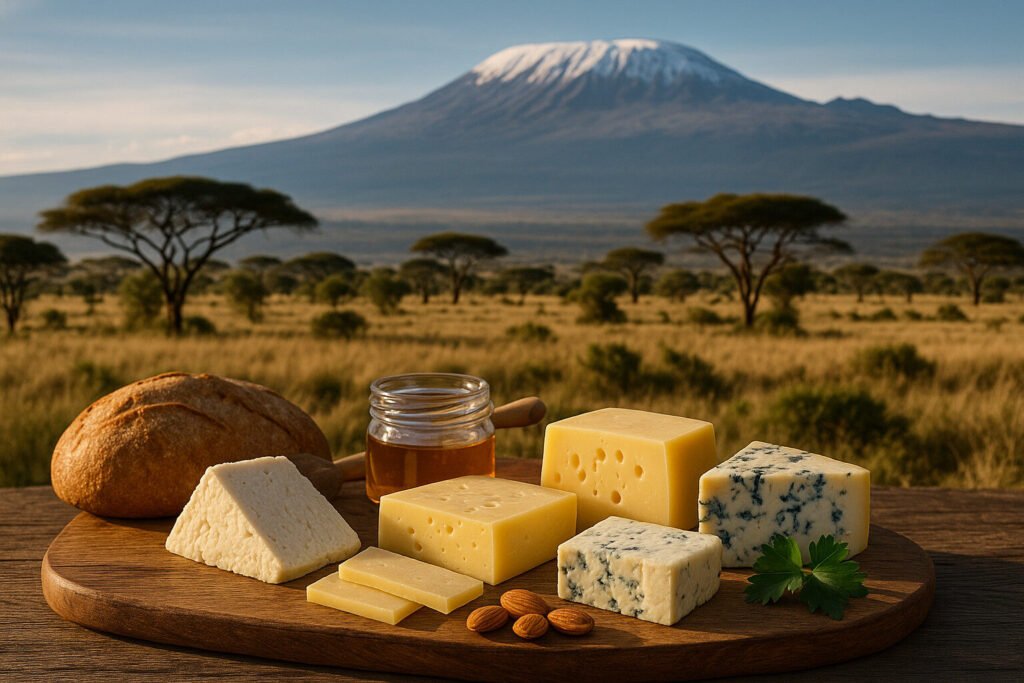
East Africa presents a dynamic and evolving landscape for cheese culture. The region, encompassing Burundi, Comoros, Djibouti, Eritrea, Ethiopia, Kenya, Madagas
East Africa Cheese: A Comprehensive Guide Read More »
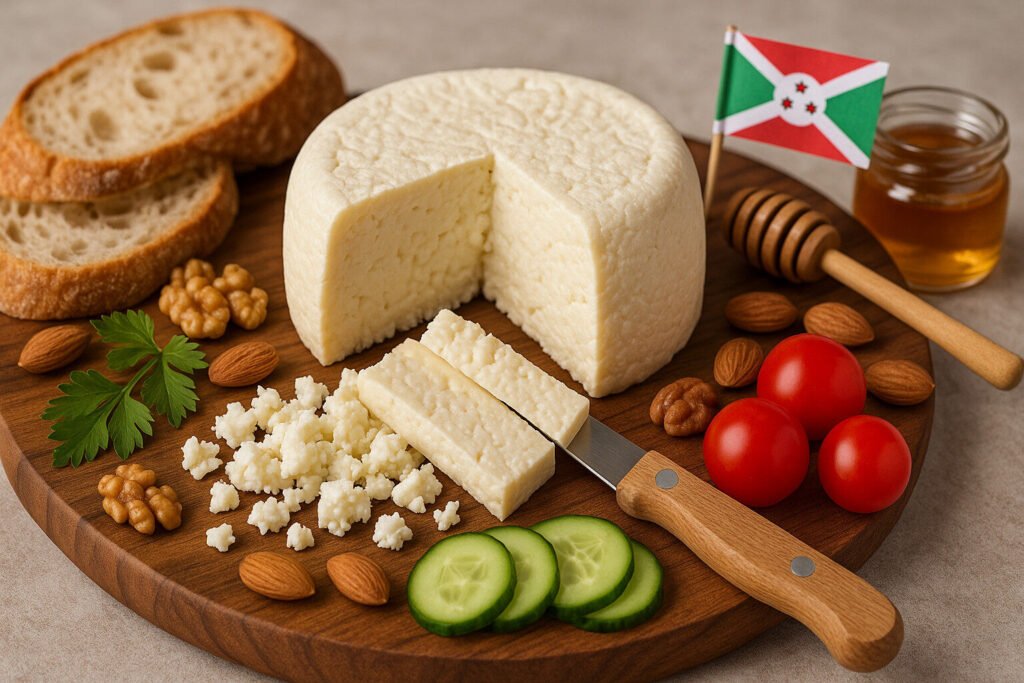
Discover Ikivuguto, a traditional fermented milk cheese from Burundi. Enjoy its tangy flavor and creamy texture in local dishes.
Ikivuguto Cheese from Burundi – A Taste of Tradition Read More »
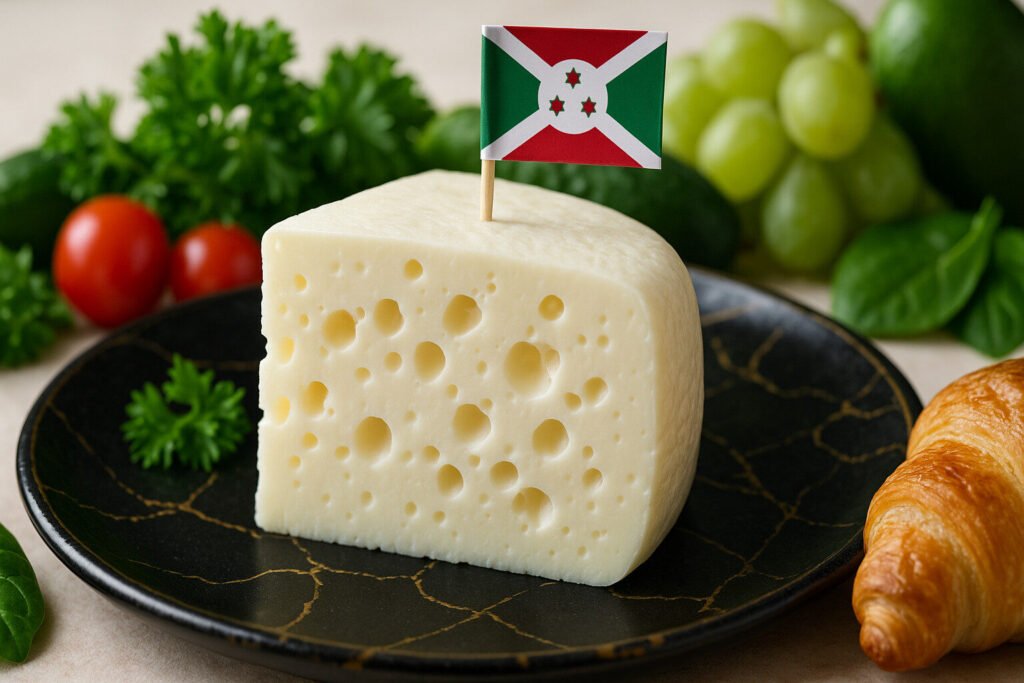
Discover Inyamisire, a traditional cheese from Burundi. Enjoy its unique flavor and rich cultural heritage in every bite.
Inyamisire Cheese from Burundi: A Taste of Tradition Read More »
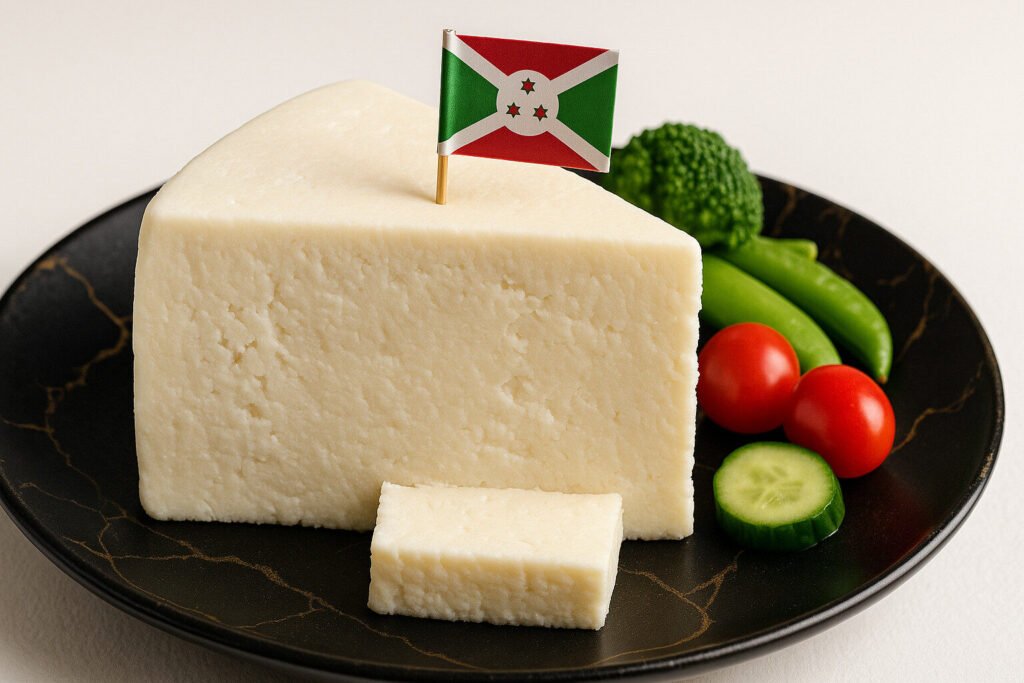
Discover Igikoma, a traditional cheese from Burundi. Learn about its unique flavor, texture, and cultural significance in Burundian cuisine.
Igikoma Cheese from Burundi: A Unique East African Taste Read More »

Discover Inyange cheese from Burundi. A unique, flavorful cheese perfect for any occasion. Taste the tradition.
Inyange Cheese from Burundi: A Taste of Tradition Read More »
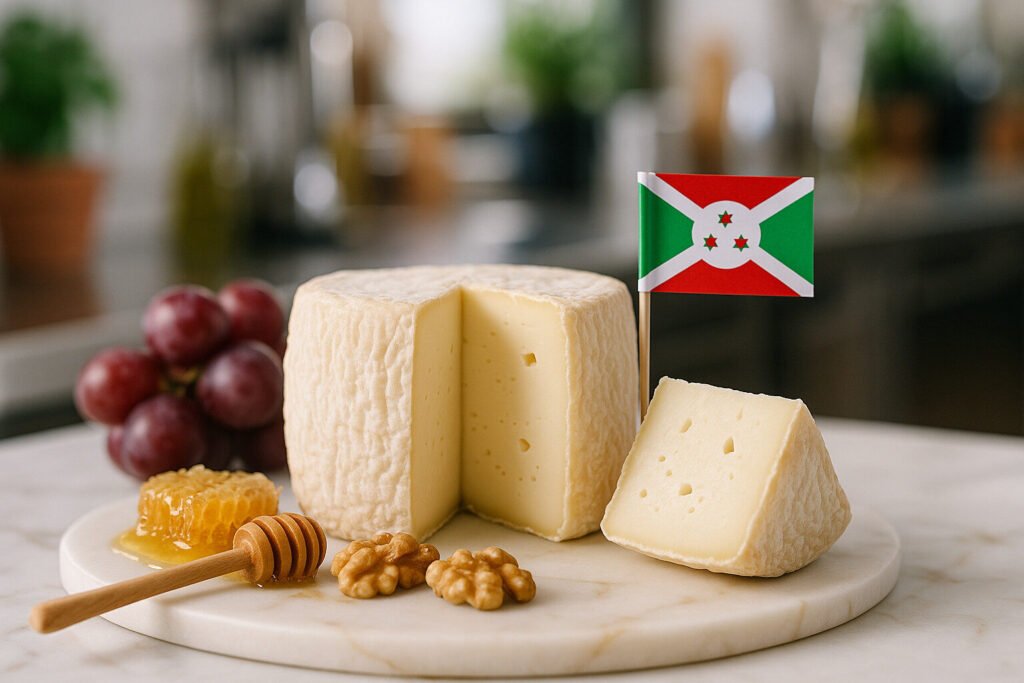
Discover Amavuta cheese from Burundi. Enjoy its rich flavor and traditional craftsmanship in every bite. Perfect for cheese lovers.
Amavuta Cheese from Burundi – A Unique Taste Read More »
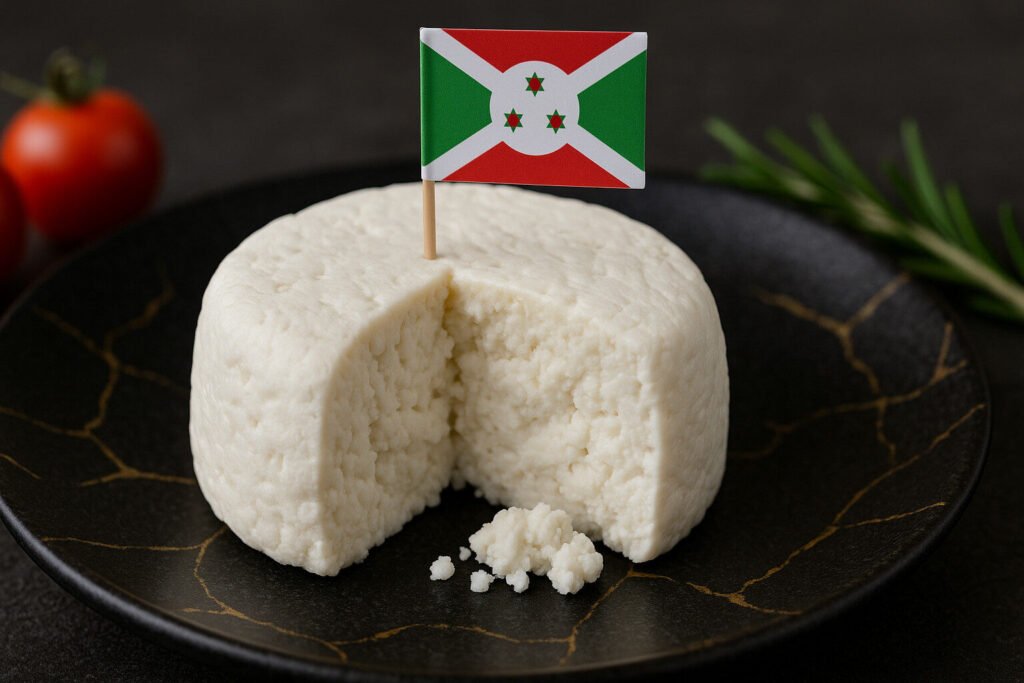
Discover Uburobe, a traditional cheese from Burundi. Learn about its unique flavor, texture, and cultural significance in East African cuisine.
Uburobe Cheese from Burundi: A Taste of Tradition Read More »