
Cambodian Cheese Varieties: A Modern Guide
Discover why no traditional cheeses are produced in Cambodia. Learn about the country’s culinary landscape and dairy alternatives.
Cambodian Cheese Varieties: A Modern Guide Read More »
Cheese is a dairy product derived from milk through coagulation of the milk protein casein. It encompasses a vast range of textures, flavors, and forms produced globally. The scope includes fresh, soft-ripened, hard, and blue-veined varieties, each defined by specific moisture and fat content.
This food category is classified by milk type, aging duration, and production techniques. Its properties are influenced by factors like rennet type, bacterial cultures, and environmental conditions during affinage. The resulting products serve as essential nutritional and culinary components across numerous cultures.
Cheese production begins with milk pasteurization or thermalization to ensure safety. The key step is coagulation, achieved by adding rennet or acidic substances like lemon juice or vinegar. This process separates the milk into solid curds and liquid whey.
The curds are then cut, cooked, and pressed to expel additional whey, determining the final cheese texture. Salting follows, either directly or through brining, to enhance flavor and preservation. Finally, many cheeses undergo a controlled aging or ripening period to develop complex characteristics.
The sensory evaluation of cheese involves assessing its appearance, aroma, texture, and flavor. Visual characteristics include rind type, color, and presence of molds or holes. Aromatic notes can range from milky and buttery to pungent and earthy, depending on the variety.
Texture varies from soft and spreadable to hard and crumbly, directly related to moisture content. Flavor profiles are complex, resulting from milk composition, bacterial activity, and aging conditions. These elements combine to create a diverse sensory experience for the consumer.
Cheese is a versatile ingredient used in cooking, baking, and as a standalone food item. It provides protein, calcium, phosphorus, and fats, contributing significantly to dietary nutrition. Its functional properties include melting, stretching, and browning, which are utilized in various dishes.
Different cheese styles are selected for specific applications, such as grating over pasta or melting in sandwiches. It is also a key component in cheeseboards, paired with fruits, nuts, and wines. The diversity of cheese ensures its relevance in numerous global cuisines and meal occasions.
France is renowned for varieties like Brie, a soft-ripened cheese with an edible rind, and Roquefort, a sheep’s milk blue cheese. Italy produces Parmigiano-Reggiano, a hard, granular cheese aged for over two years, and fresh Mozzarella. These cheeses are often protected by designations of origin.
The United Kingdom is famous for Cheddar, a firm, natural-rinded cheese, and Stilton, a blue cheese with a crumbly texture. The Netherlands exports Gouda and Edam, semi-hard cheeses known for their waxed rinds. These regional examples highlight how local traditions and environments shape cheese characteristics.
Discover why no traditional cheeses are produced in Cambodia. Learn about the country’s culinary landscape and dairy alternatives.
Cambodian Cheese Varieties: A Modern Guide Read More »

Buddhist-tradition Countries cheese encompasses a diverse range of dairy products from Thailand, Myanmar, Sri Lanka, Bhutan, Cambodia, Laos, Mongolia, Japan, Vi
Buddhist-tradition Countries Cheese: A Comprehensive Guide Read More »
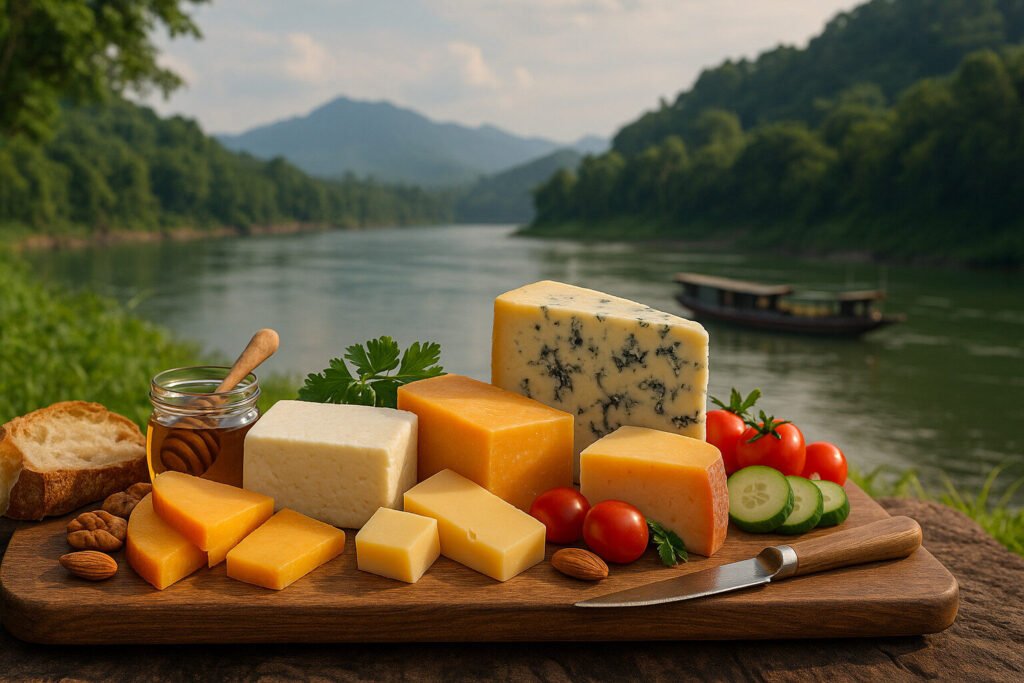
Mekong Region cheeses represent a fascinating and evolving culinary story. This area, encompassing Vietnam, Cambodia, Laos, Thailand, and Myanmar, is not histor
Mekong Region Cheese: A Comprehensive Guide Read More »
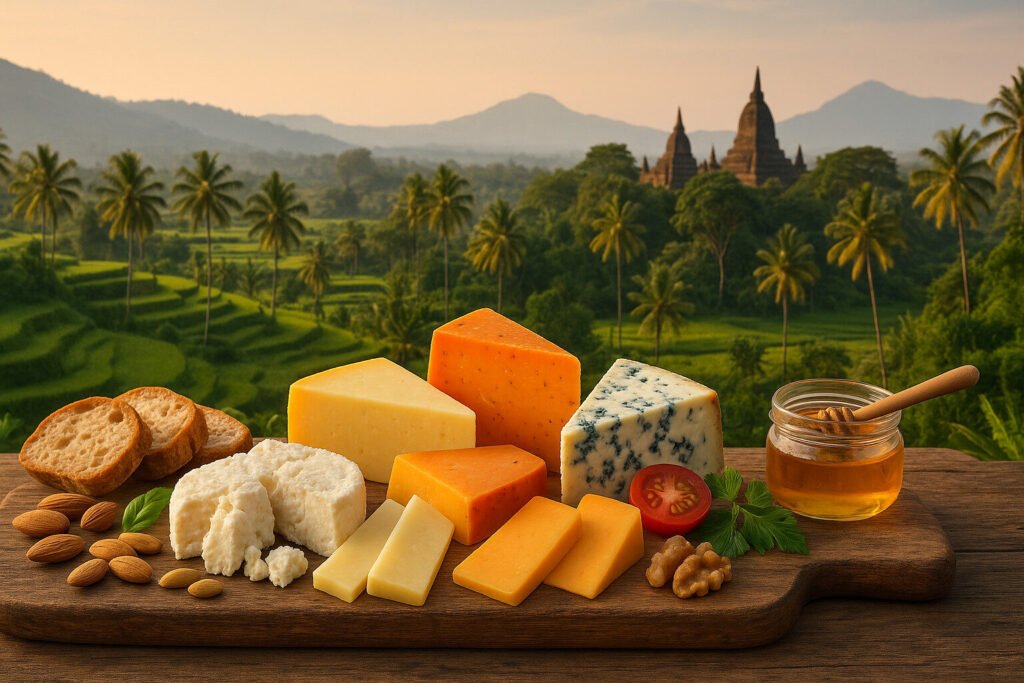
Southeast Asia. This region encompasses the countries of Thailand, Vietnam, Laos, Cambodia, Myanmar, Malaysia, Singapore, Indonesia, Philippines, Timor-Leste, a
Southeast Asia Cheese: A Comprehensive Guide Read More »
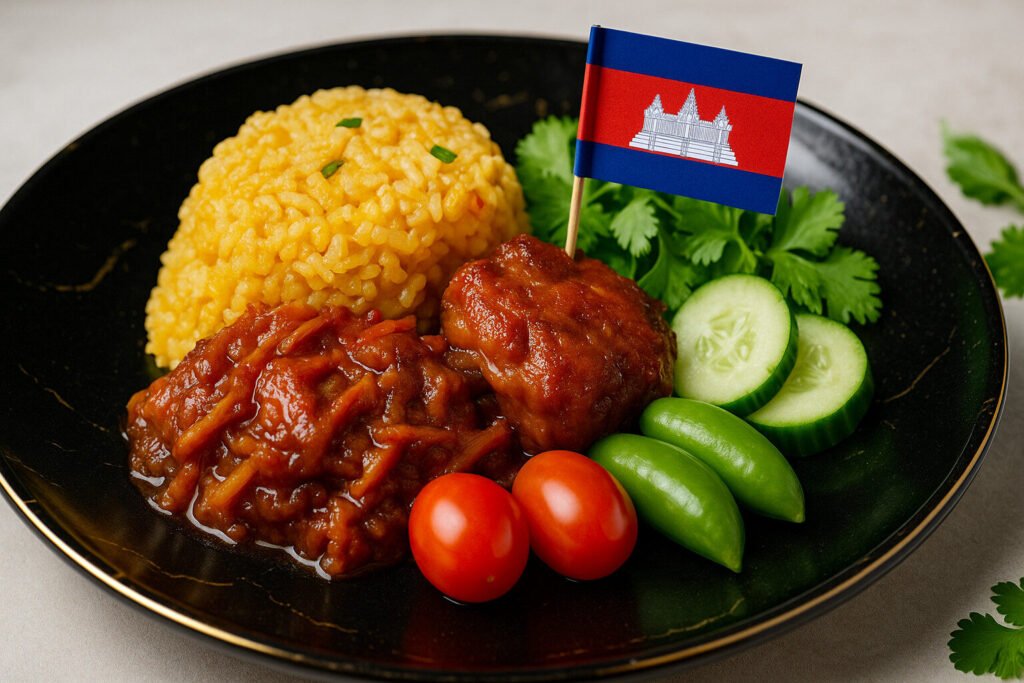
Cambodian cuisine traditionally does not include cheese, reflecting its unique culinary heritage and dairy-free focus.
Cambodian Cuisine: No Traditional Cheese Read More »