
Kachkéis – Luxembourg’s Traditional Cheese Spread
Discover Kachkéis, Luxembourg’s traditional soft cheese. Enjoy its creamy texture and unique flavor in authentic recipes or as a spread.
Kachkéis – Luxembourg’s Traditional Cheese Spread Read More »
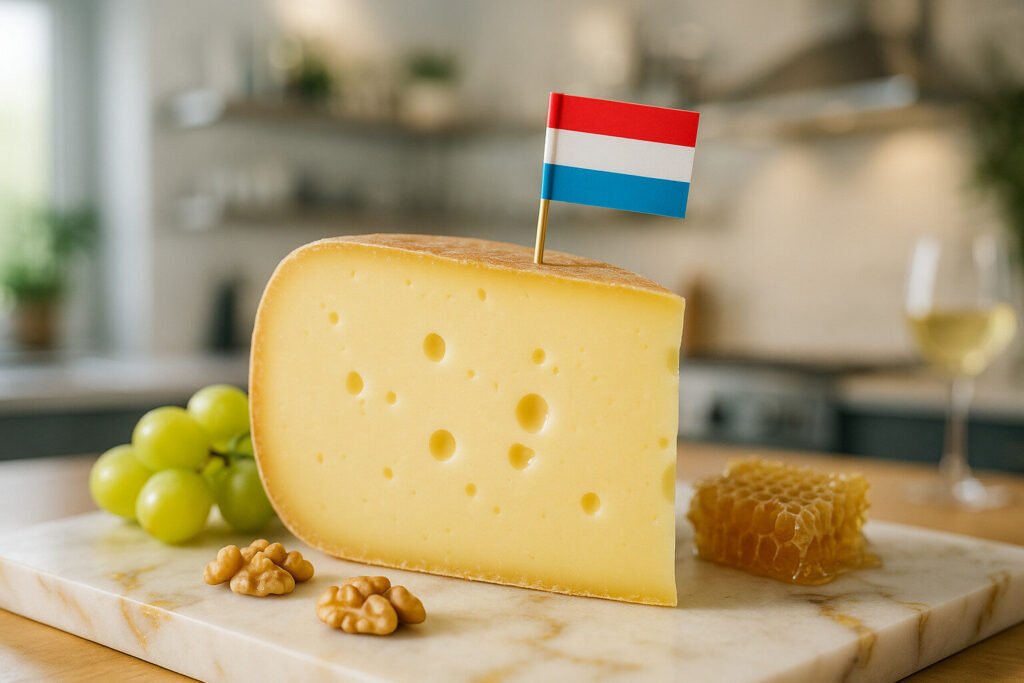
Luxembourg cheese refers to dairy products manufactured within the Grand Duchy of Luxembourg. These cheeses are governed by national food safety standards and often reflect local agricultural practices. The scope includes both artisanal farmstead varieties and those from larger commercial dairies.
Production primarily utilizes cow’s milk from Luxembourg’s pasture-raised herds. Common styles range from soft, fresh cheeses to semi-hard aged varieties. Many incorporate regional ingredients or adhere to traditional recipes passed through generations.
Traditional Luxembourg cheese-making often involves raw milk, though pasteurized versions exist for wider distribution. The process typically includes curdling, draining, pressing, and aging stages. Local producers frequently emphasize small-batch techniques to preserve distinctive characteristics.
Aging occurs in controlled cellars with specific humidity and temperature parameters. Some varieties develop natural rinds, while others are waxed or washed during maturation. These methods contribute directly to the final texture and flavor complexity of the cheeses.
Luxembourg cheeses generally present mild to medium intensity flavors with creamy textures. Younger varieties offer fresh, lactic notes with subtle acidity. The terroir influences grassy or herbal undertones in pasture-based productions.
Aged examples develop nutty, buttery, or slightly pungent characteristics. Texture ranges from supple and spreadable to firm and sliceable. These sensory attributes make Luxembourg cheeses approachable yet distinctive within European offerings.
Fresh Luxembourg cheeses are commonly served on bread or crackers with fruit preserves. They feature prominently in traditional open-faced sandwiches called “tartines”. Their mild nature makes them versatile for cooking without overpowering other ingredients.
Semi-hard varieties excel in grilled cheese sandwiches or melted over potato dishes. Many restaurants incorporate local cheeses into soufflés, quiches, and sauces. Pairings often include Riesling or Pinot Blanc from Luxembourg’s Moselle valley vineyards.
Kachkéis is a distinctive soft cooked cheese often flavored with cumin or other spices. This spreadable specialty has Protected Geographical Indication status within Luxembourg. It represents one of the country’s most recognizable cheese traditions.
Other notable examples include Gromperekichelcher with cheese fillings and various monastery-style cheeses. Recent innovations include blue-veined varieties and organic farmstead productions. These demonstrate Luxembourg’s evolving cheese landscape while maintaining regional identity.
Discover Kachkéis, Luxembourg’s traditional soft cheese. Enjoy its creamy texture and unique flavor in authentic recipes or as a spread.
Kachkéis – Luxembourg’s Traditional Cheese Spread Read More »
Savor Gromperekichelcher, Luxembourg’s crispy potato cheese fritters. A delicious, traditional snack perfect for any occasion.
Gromperekichelcher – Luxembourg’s Potato Cheese Read More »
Discover Cancoillotte, a creamy, spreadable cheese from Luxembourg. Enjoy its mild flavor and smooth texture in traditional dishes or as a snack.
Cancoillotte Cheese from Luxembourg Read More »
Discover Trapper cheese from Luxembourg. Enjoy its unique flavor and artisanal quality in a versatile, delicious cheese perfect for any occasion.
Trapper Cheese from Luxembourg – A Taste of Tradition Read More »
Discover Fëmmel, a unique cheese from Luxembourg. Enjoy its distinct flavor and creamy texture in your next culinary adventure.
Fëmmel Cheese from Luxembourg – A Unique Taste Read More »

Western Europe represents one of the world’s most celebrated and diverse cheese-producing regions. This area encompasses France, Belgium, Netherlands, United Ki
Western Europe Cheese: A Comprehensive Guide Read More »