Cheese Of Mediterranean Cuisine
Defining Mediterranean Cheese
Mediterranean cheeses originate from countries bordering the Mediterranean Sea, including Italy, Greece, Spain, and France. These cheeses are primarily made from sheep’s or goat’s milk, reflecting the region’s pastoral traditions. Their production methods have been refined over centuries, resulting in distinctive textures and flavors.
The scope encompasses fresh varieties like ricotta and feta alongside aged types such as Manchego and Pecorino Romano. Many Mediterranean cheeses hold protected designation of origin status, ensuring traditional production methods. This category represents some of the world’s most historically significant cheese-making traditions.
Production Techniques
Traditional Mediterranean cheese production often involves raw milk and natural rennet. Many varieties undergo brining, which contributes to their characteristic salty profile and preservation. The aging process ranges from a few days for fresh cheeses to several years for hard, grating varieties.
Specific techniques include the pasta filata method for cheeses like Mozzarella and the basket-draining process for Feta. Environmental factors like sea air and specific microclimates contribute to regional characteristics. These time-honored methods create cheeses with unique microbial profiles and complex flavor development.
Sensory Characteristics
Mediterranean cheeses typically exhibit pronounced saltiness, often from brining or salt-curing processes. They frequently feature tangy, acidic notes from lactic fermentation. Texture ranges from the crumbly dryness of aged Pecorino to the creamy softness of fresh Burrata.
Many varieties develop earthy, herbal notes from their natural rinds and aging environments. Sheep’s milk cheeses often display distinctive lanolin and gamey characteristics. The flavor profiles reflect the diverse terroir and forage available throughout the Mediterranean basin.
Culinary Applications
Mediterranean cheeses serve essential roles in regional cooking, from table cheeses to cooking ingredients. Fresh varieties like Feta and Halloumi maintain their structure when grilled or baked. Aged, hard cheeses like Parmesan and Pecorino are fundamental as grating cheeses over pasta and salads.
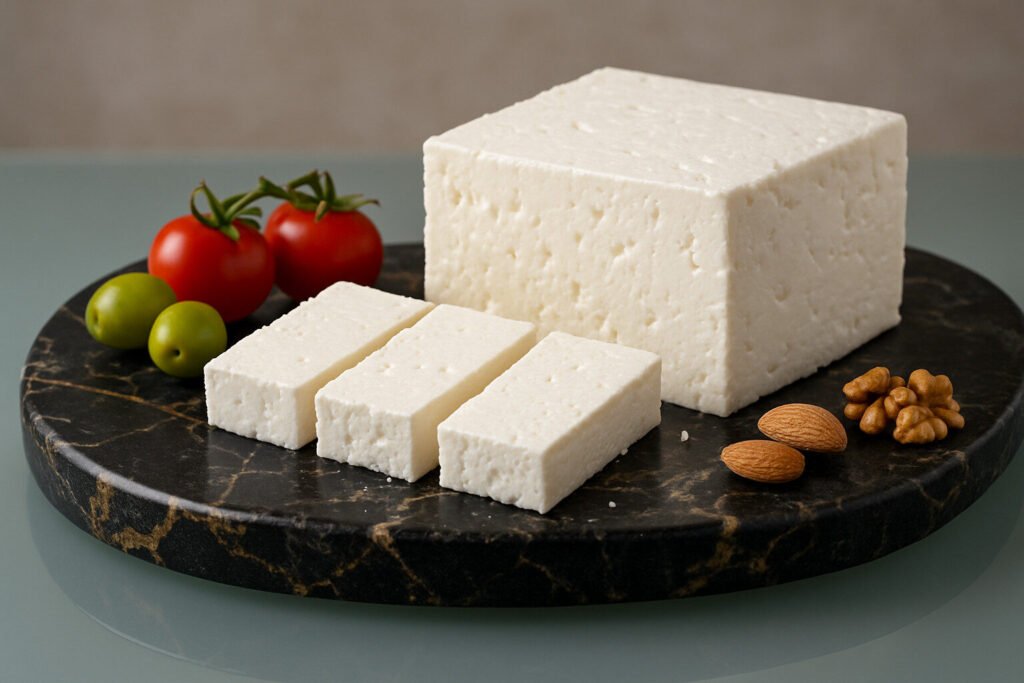
These cheeses feature prominently in classic dishes including Greek salad, Italian pizza, and Spanish tapas. Their melting properties vary significantly, with some developing elastic textures while others become creamy. Many Mediterranean cheeses are traditionally paired with olives, tomatoes, and olive oil.
Regional Specialties
Italy produces renowned varieties including Parmigiano-Reggiano from Emilia-Romagna and Mozzarella di Bufala from Campania. Greece is famous for Feta, made primarily from sheep’s milk with up to 30% goat’s milk. Spain contributes Manchego from La Mancha, aged for periods ranging from two months to two years.
France’s Mediterranean coast produces Banon, a goat cheese wrapped in chestnut leaves. Cyprus gives us Halloumi, unique for its high melting point ideal for grilling. Each region’s cheeses reflect local livestock, climate, and centuries-old cultural practices.