Cheese Of Mexico
Cheese in Mexican Cuisine
Mexican cheese represents a distinct category within global cheese taxonomy, characterized by fresh, melting, and aged varieties developed for traditional dishes. These cheeses are primarily made from cow’s milk, though some regional types incorporate goat or sheep milk. The category’s scope includes both ancestral cheeses like Cotija and modern adaptations such as Queso Chihuahua.
Mexican cheeses are defined by their functional roles in cooking rather than strict aging protocols. Many are consumed fresh within days of production, while others develop complex flavors through brief aging processes. This practical approach reflects their integral position within Mexico’s culinary traditions and daily diet.
Traditional Production Methods
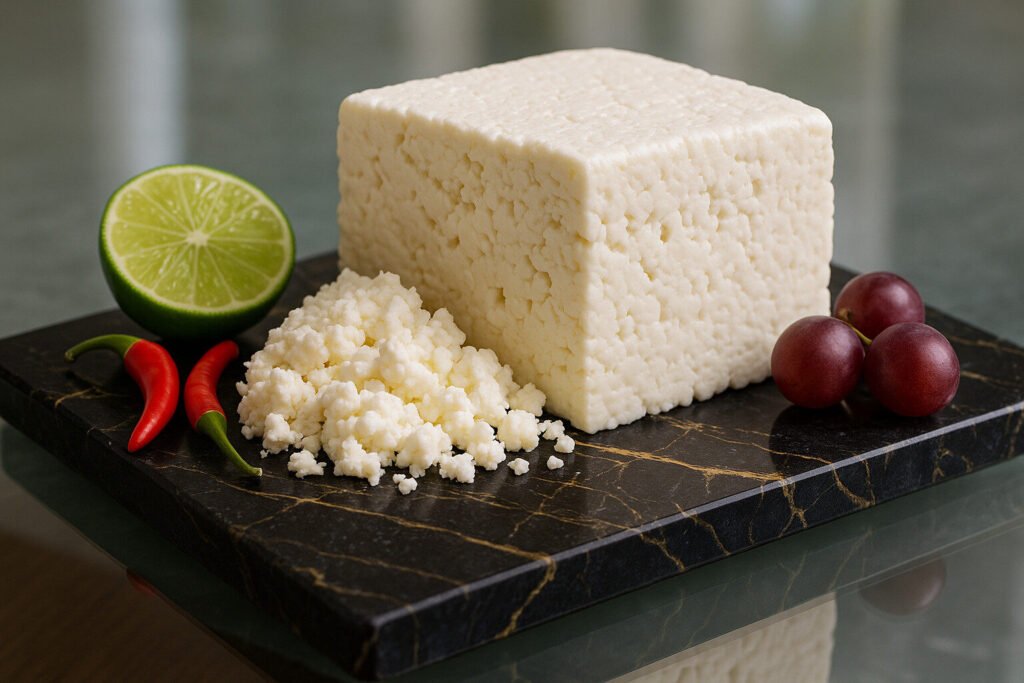
Traditional Mexican cheese production often involves acid coagulation using lemon juice or vinegar rather than rennet. This technique creates fresh cheeses with mild acidity and crumbly textures, such as Queso Fresco. Many regional cheesemakers maintain artisanal methods passed through generations, using raw milk and natural fermentation.
Modern production has incorporated pasteurization and commercial starter cultures while preserving key textural properties. Factories in major dairy regions like Chihuahua and Jalisco produce millions of kilograms annually. The dual system of artisanal and industrial production ensures both quality preservation and market accessibility.
Sensory Characteristics
Mexican cheeses typically exhibit mild saltiness and subtle acidity rather than pronounced sharpness. Fresh varieties offer clean milky flavors with moist, crumbly textures that resist complete melting. Their sensory profiles are deliberately restrained to complement rather than dominate complex dishes.
Aged Mexican cheeses develop more pronounced flavors while maintaining functional melting properties. Cotija becomes salty and granular when aged, while Queso Añejo develops nutty undertones. These evolutionary characteristics make Mexican cheeses uniquely adaptable to various culinary applications across their lifespan.
Culinary Applications
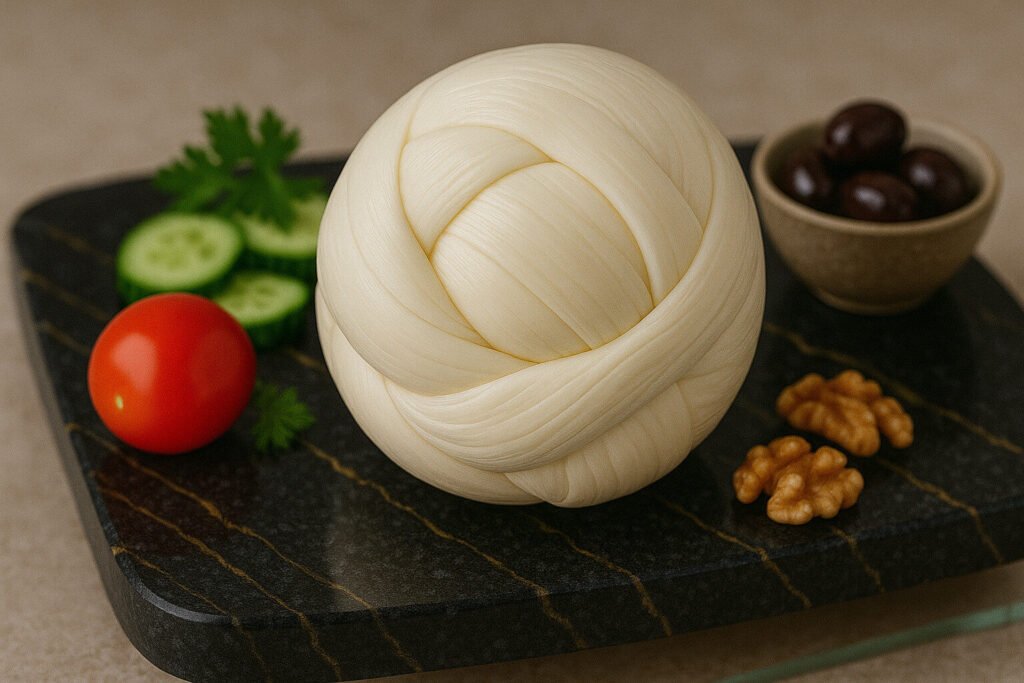
Mexican cheeses serve specific functional purposes in traditional cooking. Melting cheeses like Oaxaca and Asadero are essential for quesadillas and melted cheese dishes. Their stretchy, elastic texture when heated distinguishes them from European melting cheeses.
Crumbling cheeses provide texture and salt contrast as finishing elements. Cotija garnishes tacos and salads, while Queso Fresco tops beans and soups. This application-specific design demonstrates how cheese properties directly support Mexico’s culinary architecture.
Regional Specialties
Distinct cheese varieties have developed across Mexico’s diverse regions. Oaxaca produces string cheese wound into balls, while Chihuahua specializes in semi-soft melting cheese. The central highlands create pressed aged cheeses like Cotija from Michoacán, named after its town of origin.
Lesser-known regional specialties include Queso de Bola from Ocosingo, Chiapas, and Queso de Poro from Balancán, Tabasco. These localized varieties showcase how geography, climate, and cultural practices have shaped Mexico’s cheese landscape beyond mainstream commercial types.