
Sahel Cheese: A Comprehensive Guide
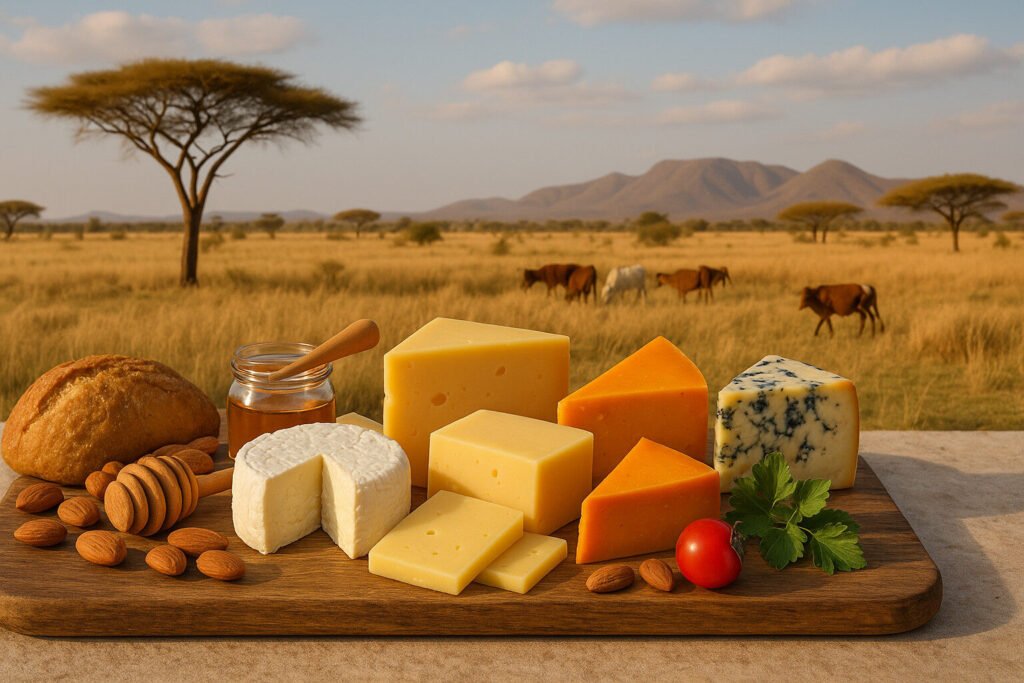
The Sahel is a vast semi-arid region stretching across Africa. This region encompasses Senegal, Mauritania, Mali, Burkina Faso, Niger, Nigeria, Chad, Sudan, and
Sahel Cheese: A Comprehensive Guide Read More »
Cheese of Niger refers to traditional dairy products made primarily by nomadic pastoralist communities across the Sahel region. These cheeses are typically produced from cow, goat, or sheep milk, often using age-old techniques adapted to the arid climate. The category encompasses fresh, brined, and dried varieties that serve as vital protein sources and trade goods.
Production is largely small-scale and artisanal, with methods passed down through generations. These cheeses are integral to the food security and cultural identity of groups like the Fulani. Their characteristics are shaped by the local livestock breeds, available forage, and the necessity for preservation without refrigeration.
Milk is first soured naturally or with a starter culture derived from previous batches. Coagulation is typically achieved using plant-based rennet from species like Sodom apple or other local flora. The resulting curds are often hand-pressed and shaped into small discs or balls.
Many Nigerien cheeses undergo a drying process in the sun to reduce moisture content and extend shelf life. Some varieties are preserved in salt brine, while others may be smoked over wood fires. These techniques effectively inhibit spoilage in a hot climate where refrigeration is scarce.
The flavor profile ranges from mildly tangy and salty in fresh versions to intensely sharp and pungent in aged specimens. Texture varies from crumbly and dry in sun-dried cheeses to semi-soft in brined types. A characteristic earthy or smoky note is common in smoked varieties.
Color typically appears white to pale yellow, depending on the milk source and processing methods. The aroma can be lactic and clean in fresh products, developing stronger, more complex notes with aging. These sensory characteristics directly reflect the local terroir and production constraints.
Fresh cheeses are commonly consumed as snacks or crumbled over millet and sorghum porridges. They provide essential fats and proteins in the predominantly grain-based local diet. Their portability makes them ideal food for travelers and herders.
Dried cheeses are often grated or shaved into sauces and stews to enhance flavor and nutritional value. They are traded in local markets and sometimes exported to neighboring countries. Their long shelf life makes them valuable commodities during seasonal migrations and dry periods.
Wagashi is a prominent example, a firm, smoked cheese traditionally made by Fulani herders in Niger and neighboring Benin. It’s characterized by its distinctive brown rind and dense texture. This cheese is particularly important in northern Niger’s dairy economy.
Other regional variations include Tanrouz, a sun-dried cheese often stored in clay pots. Different ethnic groups across Niger’s regions have developed unique recipes and aging methods. These products represent important examples of sustainable food preservation in challenging environments.
The Sahel is a vast semi-arid region stretching across Africa. This region encompasses Senegal, Mauritania, Mali, Burkina Faso, Niger, Nigeria, Chad, Sudan, and
Sahel Cheese: A Comprehensive Guide Read More »