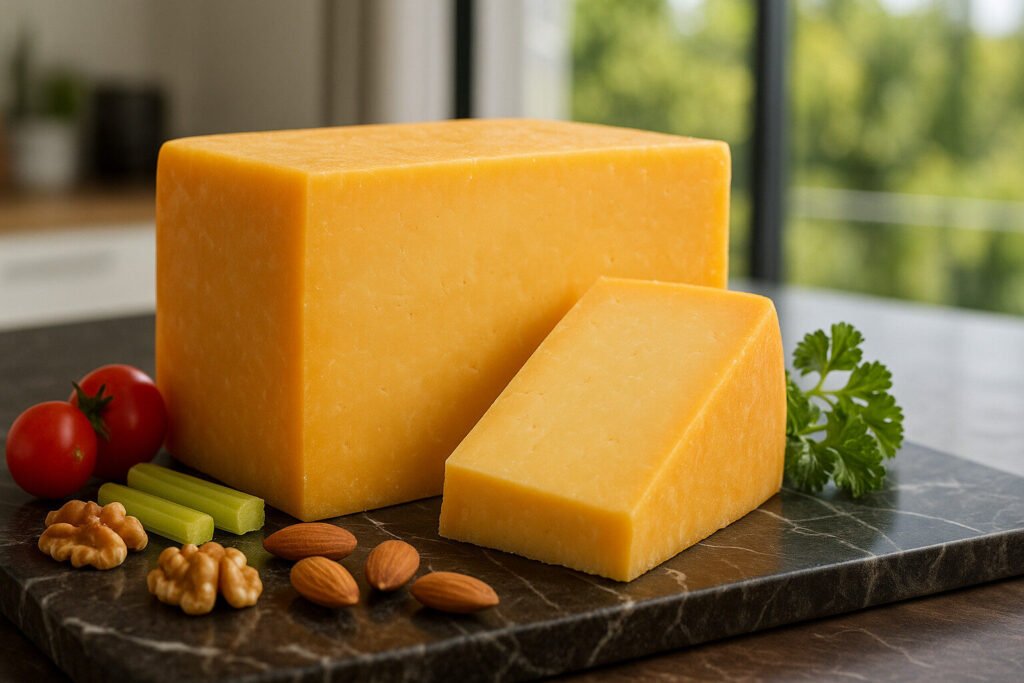
Cheese Slate Board
Definition and Scope
A cheese slate board is a serving platter crafted from natural slate stone. These boards provide a durable, non-porous surface ideal for presenting cheese and accompaniments. Their dark color offers a striking visual contrast that enhances the appearance of various cheeses. This makes them a popular choice for both casual gatherings and professional tastings.
The scope of cheese slate boards extends beyond simple presentation. They are valued for their ability to maintain a cool temperature, which can help preserve cheese texture. Their rustic aesthetic complements a wide range of cheese styles, from soft brie to hard aged cheddars. These boards are a functional tool within the broader cheese service taxonomy.
Production and Material
Slate boards are produced by quarrying natural slate and cutting it into precise shapes. The stone is then polished to create a smooth, food-safe surface without sharp edges. This process highlights the stone’s natural veining and color variations. No chemical sealants are typically used, preserving the material’s inherent properties.
The material’s density makes it resistant to absorbing odors or flavors from foods. Slate’s thermal properties allow it to stay cool at room temperature, beneficial for cheese preservation. Production often includes beveled edges for safety and aesthetic refinement. These material characteristics directly support the board’s functional role in cheese presentation.
Sensory Profile and Interaction
The slate surface provides a neutral background that doesn’t impart any taste to the cheese. Its cool touch can subtly affect the perception of cheese temperature upon serving. The textured finish offers slight resistance when cutting, providing stable support for firm cheeses. This tactile experience is part of the overall cheese tasting ritual.
Visually, the dark gray to black slate creates dramatic contrast with light-colored cheeses. This enhances the visual appeal and makes cheese rinds and veining more pronounced. The board’s substantial weight provides stability during use. These sensory characteristics contribute to an elevated cheese tasting experience.
Practical Applications
Cheese slate boards serve as practical platforms for organizing cheese varieties by category. Their surface allows for clear separation of different cheese styles during comparative tastings. The non-porous nature enables easy cleaning between different cheese servings. This maintains flavor integrity when sampling multiple cheese types.
Many professionals use slate boards to label cheese varieties directly on the surface with chalk. This practice helps educate consumers about cheese taxonomy and origins. The boards’ durability makes them suitable for repeated use in commercial settings. Their functional design supports both educational and entertainment purposes in cheese service.
Regional and Style Variations
Slate boards often reflect regional aesthetics, with Welsh slate being particularly prized for its quality. The size and shape variations accommodate different presentation styles, from individual portions to large communal boards. Some regions produce slate with distinctive color hues that complement local cheese varieties. These geographical connections add narrative value to cheese presentations.
Board designs may incorporate elements specific to cheese categories, such as separate areas for soft-ripened versus hard cheeses. Some feature carved channels to contain cheese oils or accompaniments. The thickness and edge treatments vary by manufacturer and intended use. These variations demonstrate how presentation tools adapt to different cheese styles and serving traditions.