
Pikantne Cheese from Estonia – A Spicy Delight

Discover Pikantne, a bold and spicy cheese from Estonia. Perfect for adding a kick to your meals and cheese boards.
Pikantne Cheese from Estonia – A Spicy Delight Read More »
Craft beer pairing cheese refers to artisanal cheeses specifically selected to complement the complex flavors of craft beers. This category includes cheeses with varying intensities, textures, and aging profiles that interact harmoniously with beer characteristics. The scope encompasses cheeses from diverse milk types and production methods, chosen for their ability to enhance or contrast with specific beer styles.
Selection criteria focus on balancing beer elements like bitterness, carbonation, and maltiness with cheese properties such as fat content, saltiness, and umami. These pairings aim to create synergistic flavor experiences rather than simply matching strong flavors. The practice has become integral to modern gastronomy, with cheesemongers and brewers collaborating on curated combinations.
Artisanal production methods dominate this category, emphasizing traditional techniques that develop complex flavor profiles. Many pairing cheeses undergo extended aging periods from two months to several years, developing crystalline structures and concentrated flavors. Affinage specialists carefully control humidity and temperature to achieve desired texture and flavor development.
Some producers create washed-rind cheeses using craft beer instead of brine, imparting complementary microbial profiles. Others incorporate craft beer directly into cheese curds or use beer-soaked wraps during aging. These techniques create inherent flavor bridges that naturally harmonize with specific beer styles when served together.
These cheeses typically exhibit pronounced flavor intensities ranging from robust earthy notes to sharp salty finishes. Common characteristics include nutty undertones in aged varieties and creamy mushroom notes in bloomy rinds. The texture spectrum spans from firm crystalline crumbles to supple paste-like consistencies, each interacting differently with beer carbonation.
Flavor compounds like tyrosine crystals in aged cheeses provide textural contrast to smooth beers, while fatty acids cut through hop bitterness. Salt content helps balance malt sweetness, and umami components enhance fruit esters in ales. The optimal pairing creates either complementary flavor harmonies or pleasant contrasting sensations.
These cheeses primarily serve in dedicated tasting flights where specific cheese-beer combinations are presented sequentially. Restaurants and taprooms often create pairing menus that progress from lighter styles like pilsners with fresh chèvre to imperial stouts with blue cheeses. The pairings may be served as standalone culinary experiences or as accompaniments to charcuterie boards.
Beyond direct consumption, these cheeses feature in cooked applications where beer-cheese synergy enhances dishes. Beer-infused cheese sauces incorporate matching styles, while grilled cheese sandwiches use complementary varieties. The melting properties and flavor stability during heating are important considerations for culinary use.
English regions produce Stilton and other blue cheeses traditionally paired with barleywines and porters. These combinations showcase how regional brewing and cheesemaking traditions naturally complement each other. The salty, piquant qualities of these cheeses contrast beautifully with sweet, strong ales.
American craft creameries create original styles like hop-washed cheddars specifically for IPA pairings. Belgian trappist cheeses find natural partners in abbey ales from the same monasteries. French affineurs age Comté specifically to match with bière de garde, demonstrating how terroir influences both cheese and beer production.
Discover Pikantne, a bold and spicy cheese from Estonia. Perfect for adding a kick to your meals and cheese boards.
Pikantne Cheese from Estonia – A Spicy Delight Read More »
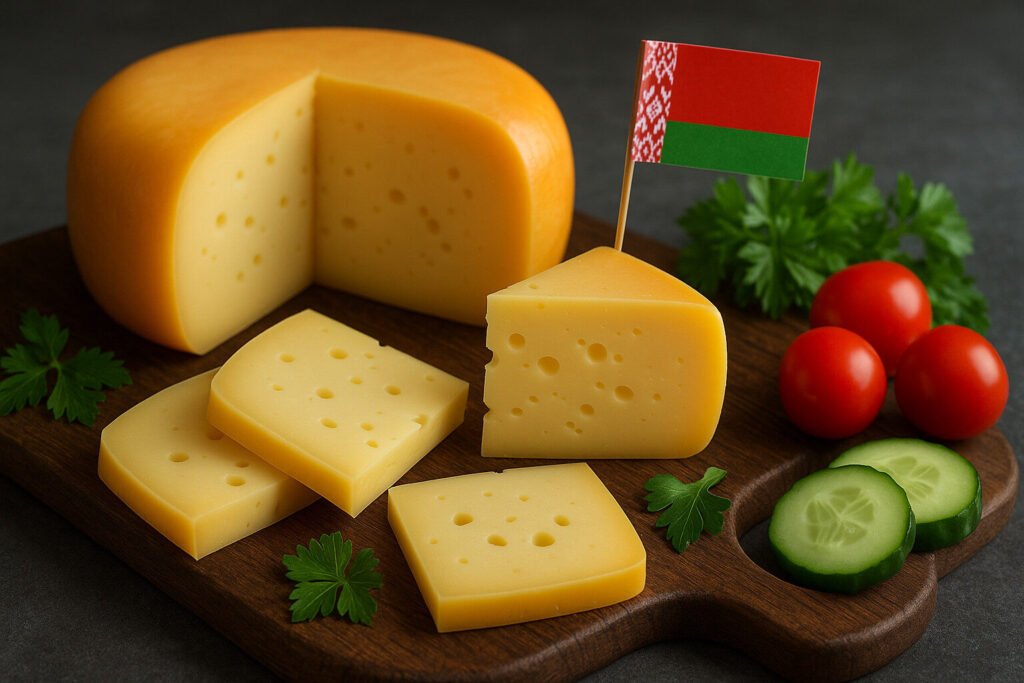
Deep into the heartland of traditional cheesemaking, the Netherlands, emerges an artisan cheese known to the cheese world as Gollandsky.
Discovering Gollandsky cheese from Belarus Read More »