
Discovering Zlatograd Cheese of Bulgaria
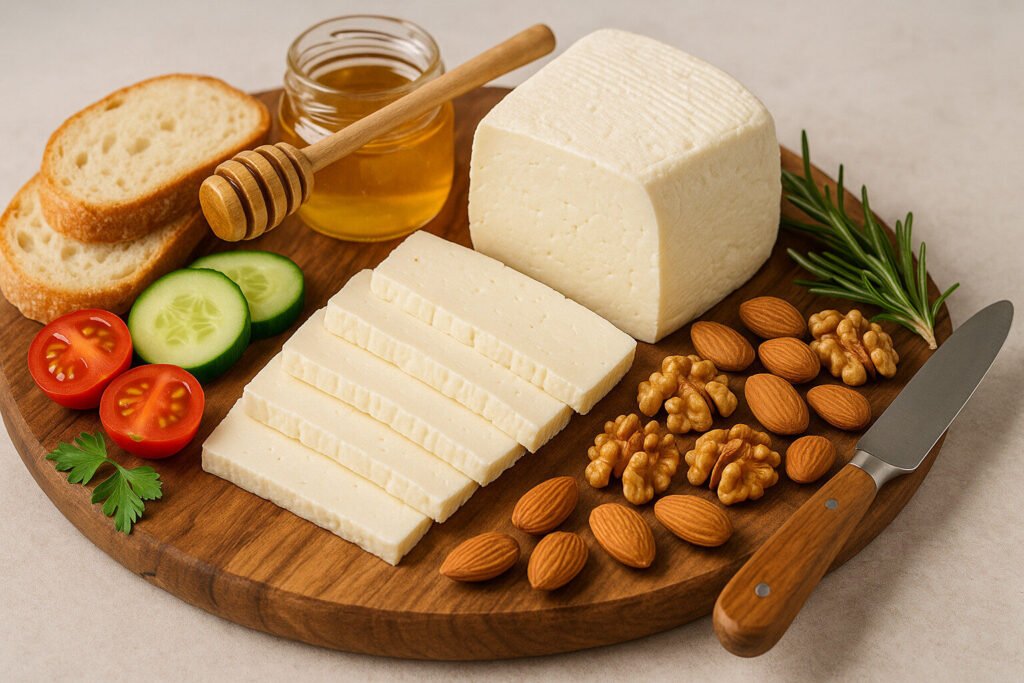
Zlatograd Cheese is a marvelous dairy jewel that hails from the mountainous region of Zlatograd in Bulgaria. Symbolic of its […]
Discovering Zlatograd Cheese of Bulgaria Read More »
Creamy yellow cheese refers to a broad category of semi-soft to soft cheeses distinguished by a smooth, spreadable texture and a pale to deep yellow hue. This category includes varieties like Double Gloucester, some Goudas, and certain Muenster cheeses. The classification is based primarily on physical properties rather than a single production method or milk type.
The characteristic color is often derived from the addition of annatto, a natural food coloring, though it can also come from the high butterfat content of the milk. These cheeses are typically high in moisture, which contributes directly to their creamy mouthfeel. They are a significant segment within the cheese taxonomy, bridging the gap between fresh cheeses and harder, aged varieties.
The production of creamy yellow cheese begins with pasteurized milk, often from cows, which is warmed and combined with starter cultures and rennet. The curds are cut gently and sometimes washed with water to reduce acidity, which helps develop a milder flavor and supple texture. The curds are then molded and pressed with light weights to expel whey while retaining moisture.
Many styles undergo a brief aging period of a few weeks to several months, which allows the texture to stabilize without becoming firm. The application of annatto occurs during the milk preparation stage to ensure even color distribution. This controlled process is crucial for achieving the desired pliable, creamy consistency that defines the category.
Creamy yellow cheeses offer a mild, buttery, and slightly sweet flavor profile with low to moderate saltiness. Their aroma is typically clean and milky, lacking the pungent notes found in many blue or washed-rind cheeses. The primary sensory hallmark is the luxurious, smooth texture that coats the palate easily.
The finish is generally short and clean, with no lingering sharpness or bitterness. Variations exist; for example, a younger cheese will taste fresher and more lactic, while a slightly aged version may develop nutty or caramelized undertones. The high fat content is directly responsible for the rich mouthfeel and flavor release.
In the kitchen, creamy yellow cheese is exceptionally versatile due to its excellent melting properties. It is a preferred choice for grilled cheese sandwiches, cheese sauces, and toppings for burgers and casseroles. Its mild flavor makes it a crowd-pleaser and a good base for incorporating herbs, spices, or other flavorings.
Beyond melting, it serves well on cheese boards, paired with fruits like apples and pears, and crisp crackers. It is also commonly used in cold preparations such as salads and sandwiches, where its soft texture spreads easily. Its functionality makes it a staple in both home cooking and professional food service.
Double Gloucester from England is a classic example, known for its rich, buttery flavor and firm yet creamy texture. It is traditionally made from the milk of Gloucester cattle and has a distinctive orange hue from annatto. This cheese is often used in cooking and is a fixture in British ploughman’s lunches.
In the Netherlands, young Gouda can fall into this category, exhibiting a smooth, pliable texture and a sweet, creamy taste. Some Muenster cheese from the United States, when made in a milder, younger style, also qualifies as a creamy yellow cheese. These regional varieties demonstrate how local traditions and milk types influence the final product within this style.
Zlatograd Cheese is a marvelous dairy jewel that hails from the mountainous region of Zlatograd in Bulgaria. Symbolic of its […]
Discovering Zlatograd Cheese of Bulgaria Read More »