Grainy Cheese
Defining Grainy Cheese
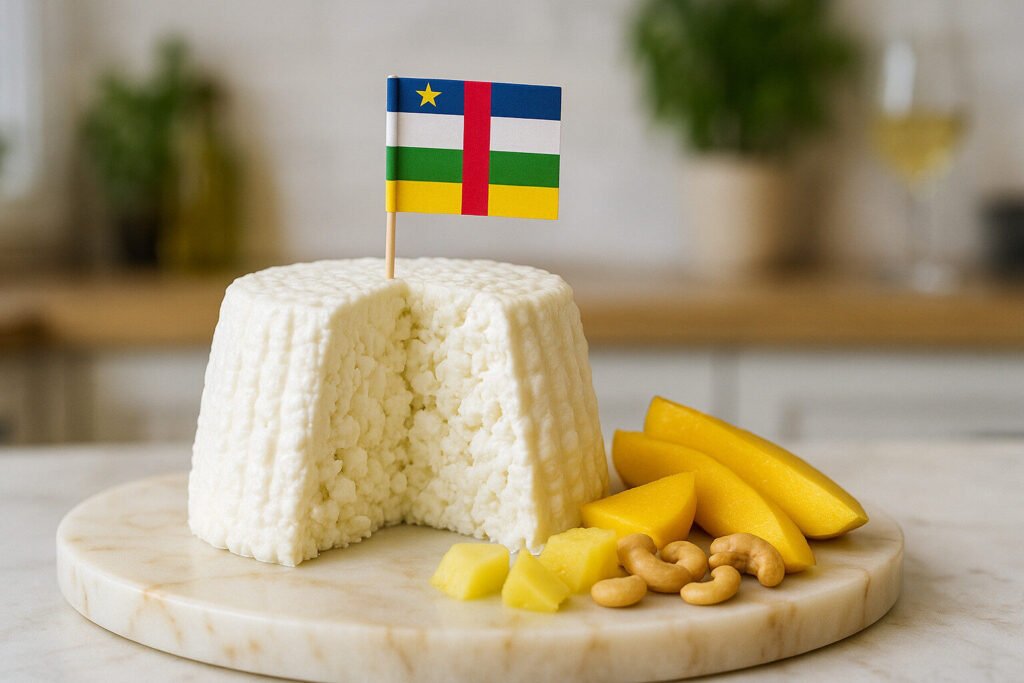
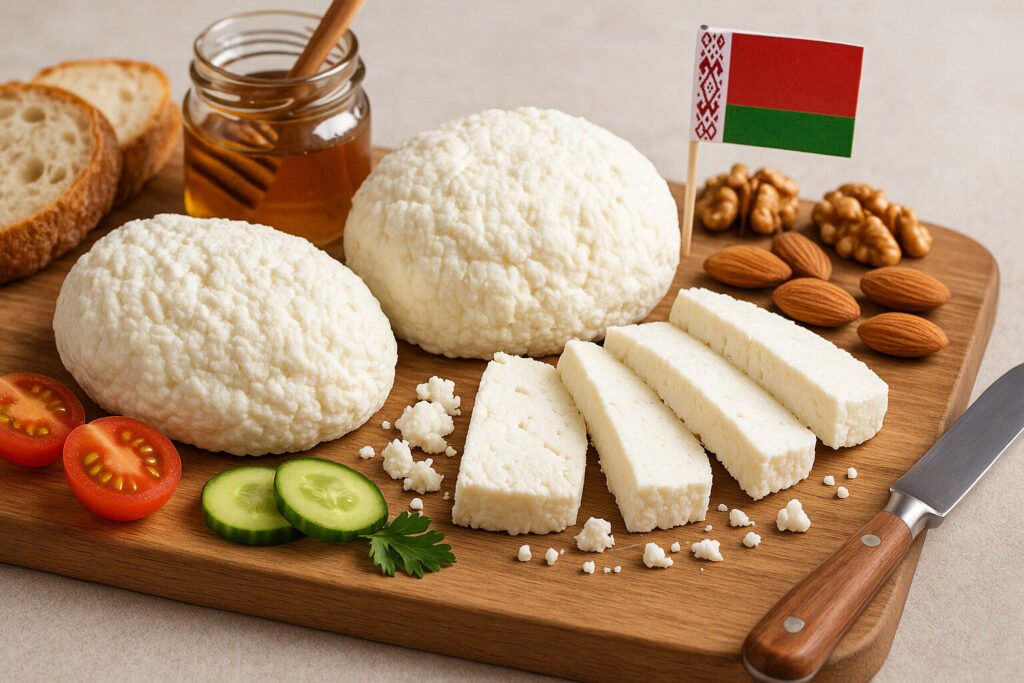
Grainy cheese refers to a textural category characterized by a crumbly, non-pliable consistency. This texture results from specific production methods that create a loose, open curd structure. The category includes cheeses that break apart easily rather than slicing or melting smoothly.
These cheeses typically exhibit low moisture content and minimal fat dispersion within the protein matrix. Their granular nature makes them distinct from elastic, semi-soft, or hard-pressed varieties. Common examples span fresh cheeses like ricotta salata to aged types such as Cheshire.
Production Techniques
Grainy texture develops through controlled acidification and careful handling of curds during manufacturing. Producers often cut curds into small pieces and cook them at higher temperatures to expel whey. This process creates the characteristic dry, crumbly body by preventing curds from knitting together tightly.
Some grainy cheeses undergo extended pressing under light weights or no pressing at all. The curds may be milled or broken before molding to enhance the open structure. Salt is frequently applied directly to curd pieces rather than through brining, further contributing to the granular quality.
Sensory Characteristics
Grainy cheeses present a distinctive mouthfeel characterized by immediate breakdown into small particles. They typically lack the creamy or elastic texture found in many other cheese categories. The flavor profile often leans toward savory, salty, or mildly acidic notes due to their moisture content and aging processes.
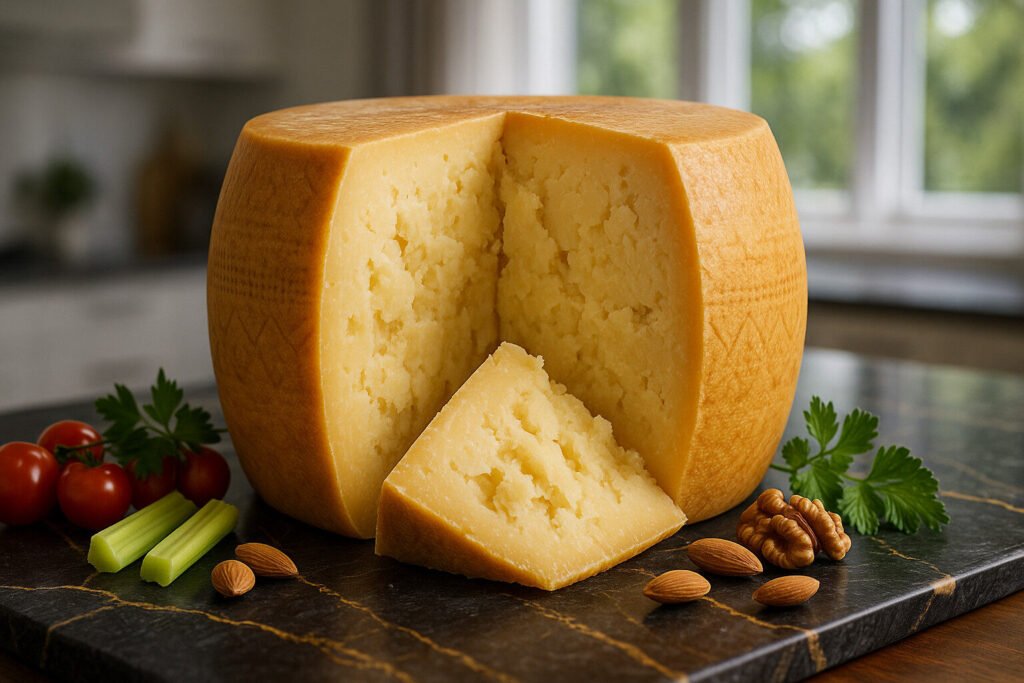
Visual inspection reveals a fractured, non-uniform surface when cut. Aroma intensity varies from mild in fresh varieties to pronounced in aged specimens. The color ranges from bright white in calcium-rich cheeses to golden hues in those with higher fat content or annatto coloring.
Culinary Applications
The crumbly nature of these cheeses makes them ideal for sprinkling over salads, pasta, and roasted vegetables. They maintain structural integrity when grated or crumbled, providing textural contrast in composed dishes. Their flavor concentration allows them to stand up to bold ingredients like bitter greens and robust dressings.
These cheeses rarely melt smoothly, instead softening while retaining granular character. This property makes them unsuitable for sauces but excellent for baked dishes where distinct cheese pieces are desirable. They pair well with fruits, nuts, and full-bodied wines that complement their concentrated flavors.
Regional Examples
English territorial cheeses provide classic examples of grainy textures. Cheshire cheese offers a moist yet crumbly consistency with a slightly salty flavor. Lancashire cheese exhibits a friable texture that becomes particularly pronounced in its aged varieties.
Mediterranean regions produce grainy cheeses like Greek feta and Italian ricotta salata. Feta’s brined curds create a crumbly texture with tangy notes. Ricotta salata undergoes salting and drying processes that transform the normally creamy ricotta into a firm, granular cheese suitable for grating.