
Discovering Zlatograd Cheese of Bulgaria
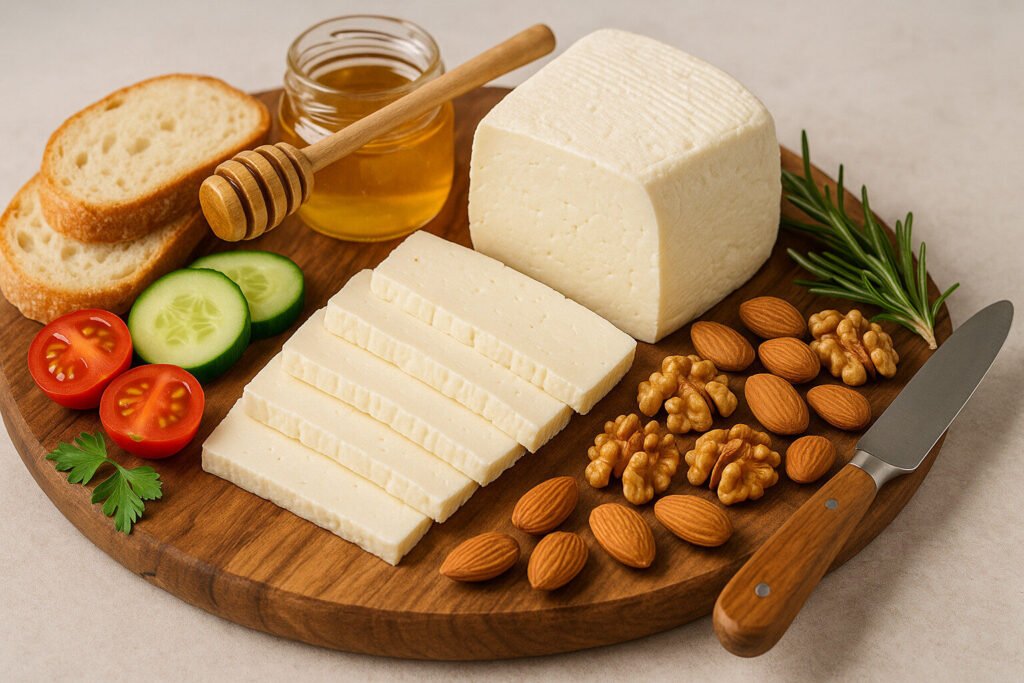
Zlatograd Cheese is a marvelous dairy jewel that hails from the mountainous region of Zlatograd in Bulgaria. Symbolic of its […]
Discovering Zlatograd Cheese of Bulgaria Read More »
Grassy flavor cheese refers to dairy products that exhibit distinct herbaceous, vegetal, or pasture-like aromas and tastes. These flavors originate from compounds like hexanal and cis-3-hexenol, which are transferred from the animals’ diet into the milk. This category includes cheeses made from the milk of grass-fed cows, sheep, or goats, and the intensity can vary based on feed and season.
The scope encompasses both fresh and aged cheeses where the grassy note is a defining characteristic. It is not a formal cheese style but a descriptive flavor profile used in sensory evaluation. Cheesemakers may intentionally highlight or minimize these notes through specific feeding practices and production methods.
Grassy flavors are primarily developed through the use of milk from animals grazing on fresh pasture. The terpenes and other volatile compounds in grasses, clovers, and herbs are fat-soluble and concentrate in the milk fat. Seasonal variations are significant, with spring and early summer milk often producing the most pronounced grassy notes.
Cheesemaking techniques can preserve or diminish these flavors. Minimal processing and shorter aging times tend to retain the fresh, grassy character. In contrast, longer aging and specific bacterial cultures can transform these initial flavors into more complex, nutty, or savory profiles.
The sensory hallmark of grassy cheese is a clean, fresh aroma reminiscent of cut grass, hay, or green herbs. On the palate, it often presents as a slightly sweet, vegetal flavor with notes of green bell pepper, alfalfa, or artichoke. The mouthfeel can range from creamy in younger cheeses to more crumbly in aged varieties, but the grassy note remains a unifying thread.
These cheeses typically possess a bright, tangy acidity that complements the vegetal notes. The finish is usually clean and may leave a lingering fresh pasture impression. The flavor intensity is directly correlated with the freshness of the pasture and the immediacy of milk processing after milking.
Grassy cheeses are exceptionally versatile in culinary applications. Their fresh, bright profile makes them ideal for salads, sandwiches, and cheese boards where they can stand out against other elements. They pair beautifully with crisp white wines like Sauvignon Blanc, which often shares similar herbaceous notes.
In cooked dishes, these cheeses are best used in applications that preserve their delicate flavor, such as quick melts on burgers or as a finishing element on pizzas and tarts. They should generally be added at the end of cooking to prevent the grassy notes from becoming bitter or losing their characteristic freshness.
Springtime Gouda from the Netherlands is a classic example, known for its pronounced grassy and herbaceous notes when made from the first milk of cows released to pasture. Similarly, certain farmhouse Cheddars from Somerset, England, develop distinct grassy undertones when produced using traditional methods and pasture-fed cow’s milk.
French Tomme de Savoie often exhibits grassy characteristics, particularly versions made in alpine regions during summer months. Many artisanal goat cheeses from the Loire Valley, such as certain Crottins, display fresh grassy notes alongside their characteristic tanginess, reflecting the diverse local flora.
Zlatograd Cheese is a marvelous dairy jewel that hails from the mountainous region of Zlatograd in Bulgaria. Symbolic of its […]
Discovering Zlatograd Cheese of Bulgaria Read More »