
Discovering Savinjski Sir cheese of Slovenia
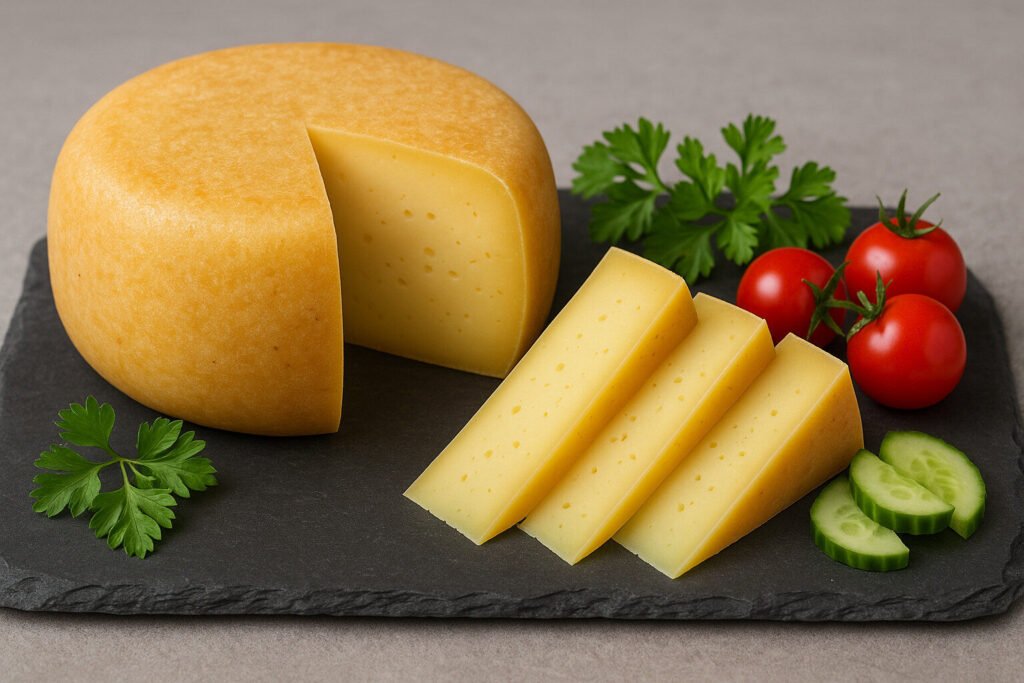
Savinjski Sir, popularly recognized as cheese from the Savinja Valley, is the epitome of Slovenia’s distinguished dairy culture. Revered for […]
Discovering Savinjski Sir cheese of Slovenia Read More »
Grazing period cheese refers to cheeses produced exclusively from milk obtained during specific grazing seasons. This milk comes from animals feeding on fresh pasture, which imparts unique seasonal flavors. The term emphasizes the direct link between animal diet, milk composition, and final cheese characteristics.
These cheeses are typically made in spring and autumn when pastures are lush and diverse. Their production window is limited to periods of natural grazing, excluding winter or dry season milk. This creates a distinct category separate from year-round pasture-based cheeses.
Production begins with collecting milk only from pasture-grazed herds during defined seasonal windows. Cheesemakers must carefully time production to coincide with optimal grazing conditions. Milk composition varies significantly based on pasture flora and weather patterns.
Traditional techniques often involve raw milk to preserve pasture-derived microorganisms. The cheesemaking process highlights rather than masks the seasonal milk qualities. Aging periods may be adjusted to complement the delicate pasture-influenced flavors.
Grazing period cheeses display pronounced herbaceous and floral notes from pasture plants. They often exhibit brighter, more complex flavor profiles than non-seasonal counterparts. The texture tends to be creamier with a distinctive golden hue from beta-carotene in fresh grasses.
Seasonal variations create noticeable differences between early and late grazing period batches. Spring versions typically show delicate, grassy notes while autumn productions offer deeper, earthier tones. These cheeses generally have cleaner finishes than those from silage-fed animals.
These cheeses excel when featured simply to showcase their seasonal character. They pair exceptionally with fresh fruits and light wines that complement their grassy notes. Chefs value them for adding distinct seasonal terroir to composed dishes.
Their limited availability makes them ideal for special occasion menus and seasonal tasting plates. They should be used shortly after purchase to experience peak flavor development. Cooking applications typically involve gentle heating to preserve delicate pasture flavors.
French Alpine cheeses like certain Tomme varieties demonstrate classic grazing period characteristics. British territorial cheeses such as some Farmhouse Cheddars historically followed strict grazing schedules. These regional examples maintain traditional production calendars tied to local pasture cycles.
Italian mountain cheeses like Bitto Storico document specific alpine grazing periods in their production rules. Modern American artisanal producers increasingly designate grazing period cheeses on their labels. Each region’s unique pasture ecosystem creates distinctly localized flavor profiles.
Savinjski Sir, popularly recognized as cheese from the Savinja Valley, is the epitome of Slovenia’s distinguished dairy culture. Revered for […]
Discovering Savinjski Sir cheese of Slovenia Read More »