
Discovering Rodopi Cheese of Bulgaria
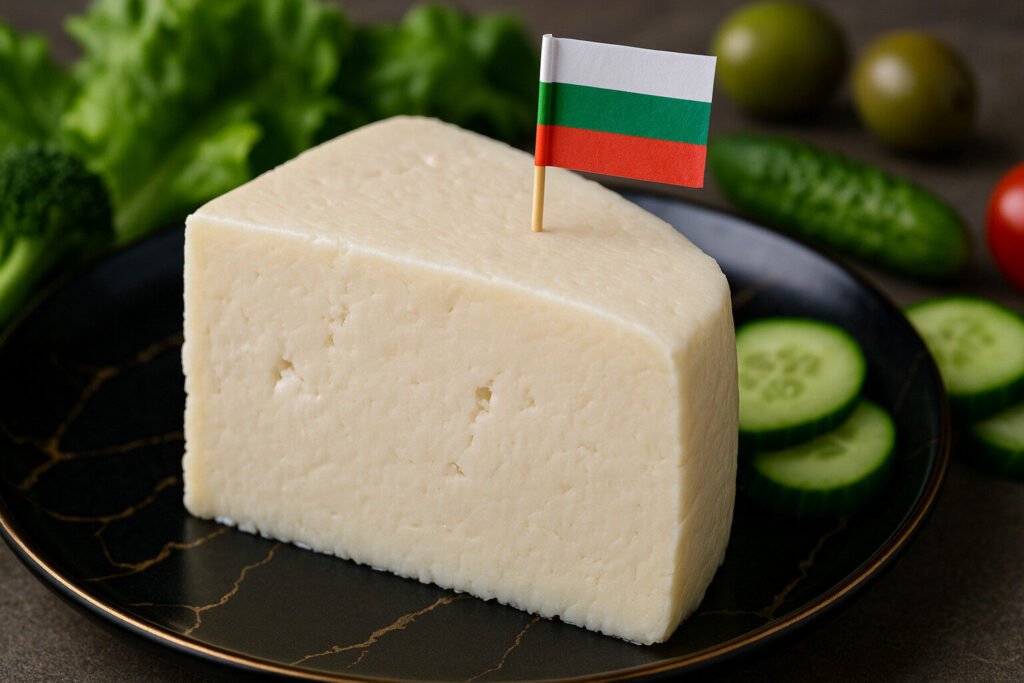
Rodopi cheese, named after the Rodopi Mountains that stretch across the border of Bulgaria and Greece, has long enchanted the […]
Discovering Rodopi Cheese of Bulgaria Read More »
Heirloom lactobacillus refers to historic strains of lactic acid bacteria preserved for artisanal cheesemaking. These microorganisms originate from pre-industrial fermentation environments and are maintained through careful propagation. Their genetic lineage remains distinct from commercial starter cultures used in mass production.
These bacterial strains function as primary acidifiers during milk fermentation in traditional cheese styles. They influence both safety protocols and flavor development throughout the aging process. Cheesemakers value heirloom lactobacillus for creating unique regional cheese characteristics unavailable through industrial alternatives.
Artisans cultivate heirloom lactobacillus through backslopping from previous successful batches. This technique transfers established microbial communities into fresh milk inoculations. Temperature control during fermentation remains critical for optimal bacterial activity and acid production.
Some producers maintain heirloom strains through freeze-dried cultures or liquid nitrogen preservation. These methods ensure genetic stability across production cycles while preventing contamination. Proper handling maintains viability while preserving the strain’s distinctive metabolic properties.
Cheeses developed with heirloom lactobacillus typically exhibit complex aromatic profiles. Common descriptors include earthy notes, subtle sweetness, and pronounced tanginess. These characteristics derive from unique metabolic pathways present in historic bacterial strains.
The texture development differs noticeably from commercial starter cheeses due to varied acidification rates. Heirloom lactobacillus often creates smoother, creamier consistencies with fewer calcium lactate crystals. Flavor complexity intensifies throughout aging as bacterial enzymes break down milk proteins and fats.
Heirloom lactobacillus serves crucial technical functions in traditional cheesemaking protocols. These strains provide consistent acid development while allowing extended make times. Their enzymatic activity contributes to proper moisture control and rind formation during aging.
These bacteria demonstrate particular value in raw milk cheesemaking where natural microflora interaction occurs. They help control pathogenic organisms through competitive exclusion and acid production. The resulting pH management supports protein structure development essential for traditional texture.
European Protected Designation of Origin cheeses frequently utilize location-specific heirloom lactobacillus strains. Examples include certain Alpine styles where bacterial communities have co-evolved with local production methods. These geographical indications depend on maintained microbial terroir.
American farmstead producers have revived heirloom lactobacillus from historical dairy records. Their implementations create cheeses with distinctive regional character while preserving microbial biodiversity. These applications demonstrate how localized bacterial strains contribute to recognizable style signatures across different production scales.
Rodopi cheese, named after the Rodopi Mountains that stretch across the border of Bulgaria and Greece, has long enchanted the […]
Discovering Rodopi Cheese of Bulgaria Read More »