
Discovering Halloumi cheese from Israel
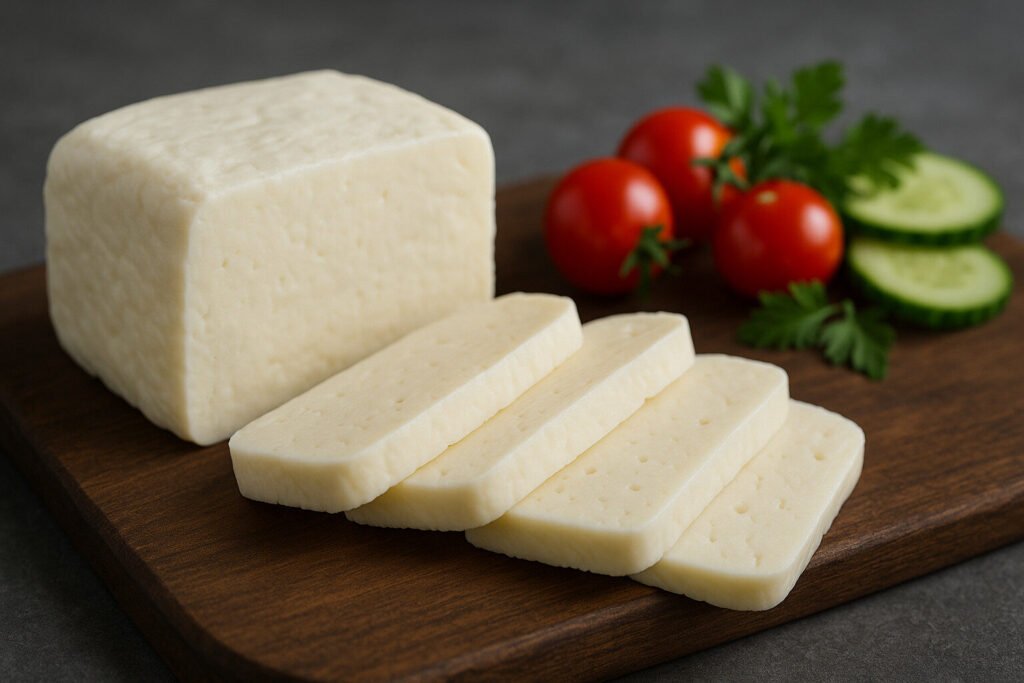
Halloumi cheese, originally hailing from the Mediterranean island of Cyprus, has a variety of characteristics that make it inherently unique […]
Discovering Halloumi cheese from Israel Read More »
Mint infused cheese incorporates fresh or dried mint leaves directly into the cheese matrix during production. This infusion technique creates a distinct category within flavored cheeses, where the herb is integral rather than a surface application. The scope includes soft, semi-soft, and fresh cheese styles that best carry the mint’s aromatic qualities.
These cheeses are defined by the intentional blending of dairy and botanical flavors. Mint infusion differs from compound cheeses where herbs are merely mixed in after aging. The process ensures the mint’s essential oils permeate the curds, resulting in a unified flavor profile throughout the entire wheel or block.
Producers typically add finely chopped mint leaves to the milk vat or curds during the stirring phase before pressing. The timing of addition is critical to prevent bitterness while maximizing aroma extraction. Cheesemakers carefully balance mint quantity to complement rather than overwhelm the milk’s natural sweetness.
Some artisanal producers use mint-infused oils or hydrosols for more controlled flavor distribution. The cheese then undergoes standard aging processes, though mint varieties influence optimal aging duration. Fresh mint cheeses often have shorter maturation periods of two to four weeks to preserve the herb’s bright character.
Mint infused cheeses present a clean, cooling sensation followed by subtle sweetness. The primary aroma notes include fresh peppermint or spearmint depending on the varietal used. Underlying dairy flavors of cultured cream and butter provide a rich foundation for the herbal top notes.
Texture ranges from crumbly in aged versions to creamy in fresh varieties. The finish typically carries a refreshing menthol quality without excessive sharpness. Balanced examples maintain harmony between the cheese’s inherent saltiness and mint’s natural astringency.
Mint cheese pairs exceptionally with lamb dishes, either crumbled over roasted preparations or incorporated into stuffings. Its refreshing quality makes it ideal for summer salads when combined with watermelon, cucumber, and bitter greens. The cheese also serves as a distinctive base for herbaceous compound butters and spreads.
In dessert applications, mint cheese complements dark chocolate and fruit-based pastries. Cheesemongers often recommend it alongside gin-based cocktails or herbal teas. The cheese melts beautifully into sauces for pasta or vegetable gratins, adding complexity to savory preparations.
British cheesemakers produce mint-infused Cheddar varieties, often combining spearmint with cloth-bound aging techniques. These examples typically exhibit a firm texture with balanced herbaceousness that develops over six months of maturation. The tradition dates to farmhouse practices of incorporating garden herbs into daily cheese production.
Mediterranean regions create fresh mint cheeses using local mint varieties like Mentha spicata. French fromageries occasionally produce mint-infused chèvre, highlighting the herb’s compatibility with goat’s milk tanginess. Australian artisans have developed mint-infused feta styles that showcase native river mint’s distinctive eucalyptus notes.
Halloumi cheese, originally hailing from the Mediterranean island of Cyprus, has a variety of characteristics that make it inherently unique […]
Discovering Halloumi cheese from Israel Read More »