
Hoentay Cheese from Bhutan: A Unique Taste
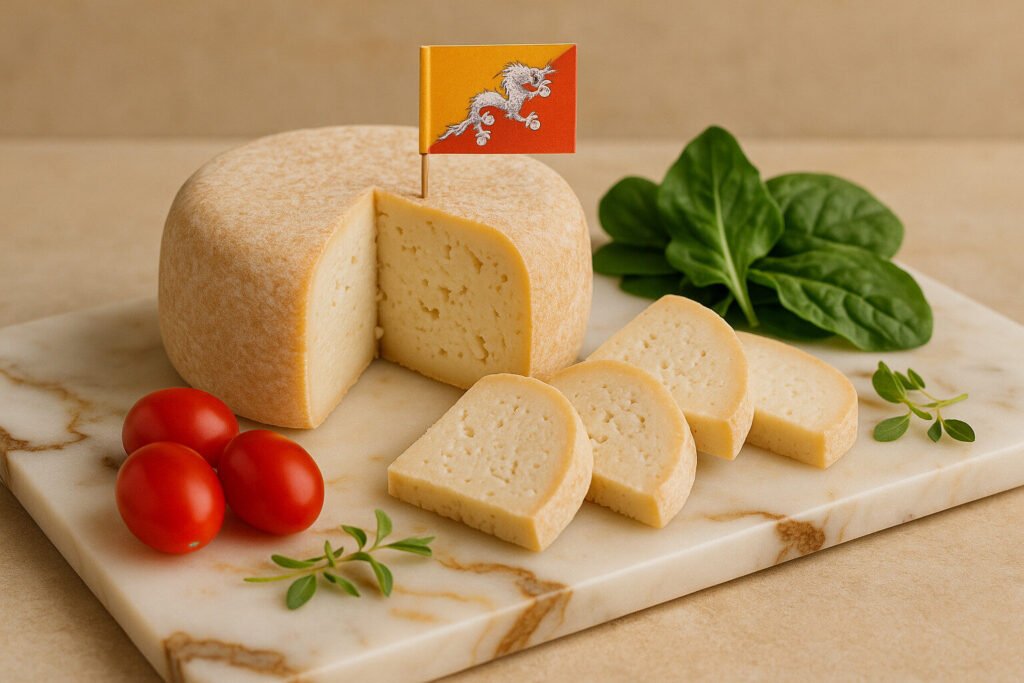
Discover Hoentay, a traditional Bhutanese cheese delicacy. Learn about its unique flavor and cultural significance in Bhutanese cuisine.
Hoentay Cheese from Bhutan: A Unique Taste Read More »
Mountain culture cheese refers to varieties traditionally produced in high-altitude regions across Europe and the Americas. These cheeses are defined by their pastoral origins, seasonal production cycles, and unique microbial environments. The category includes both ancient alpine styles and modern interpretations that adhere to these geographic and cultural principles.
This classification encompasses cheeses made from cow’s, sheep’s, or goat’s milk in mountainous terrain. Their production follows methods developed to cope with specific climatic challenges like temperature fluctuations and limited vegetation. The scope extends beyond geography to include techniques like alpine pasturing and cave aging.
Mountain cheese production begins with raw milk from animals grazing on high-altitude pastures. The milk develops complex flavors from diverse alpine grasses and herbs. Traditional copper vats and natural rennet are commonly used in the initial stages of cheese making.
After curdling, the cheeses undergo pressing and brining before extended aging in cool, humid mountain caves. This aging period typically ranges from three months to several years. The natural cave environment contributes distinctive rind development and flavor complexity through controlled microbial action.
Mountain cheeses typically exhibit firm, dense textures that become crystalline with extended aging. Their paste ranges from ivory to deep yellow, reflecting the beta-carotene in alpine grasses. The rinds often show natural mold development from cave environments.
Flavor profiles feature pronounced nutty and caramel notes with underlying herbaceous tones. Younger versions display lactic freshness while aged specimens develop robust umami characteristics. These cheeses maintain balanced saltiness without overwhelming the milk’s inherent sweetness.
Mountain cheeses serve as exceptional table cheeses when served at room temperature. Their robust structure makes them ideal for grating over pasta, risotto, and soups. Many varieties develop sufficient complexity to stand alone as course conclusions.
In cooking, they provide excellent melting properties for fondues and grilled sandwiches. Their concentrated flavors allow small portions to enhance vegetable dishes and meat preparations. These cheeses pair particularly well with full-bodied wines and rustic breads.
European examples include Swiss Gruyère and French Beaufort from the Alps. Italian varieties encompass Asiago from the Dolomites and Castelmagno from the Cottian Alps. Spanish Mahón from Menorca represents Mediterranean mountain traditions.
American interpretations include Vermont’s Alpha Tolman and California’s Vella Dry Jack. These New World versions adapt Old World techniques to local terroir while maintaining mountain cheese characteristics. Each region contributes distinct variations based on native microflora and aging practices.
Discover Hoentay, a traditional Bhutanese cheese delicacy. Learn about its unique flavor and cultural significance in Bhutanese cuisine.
Hoentay Cheese from Bhutan: A Unique Taste Read More »