Natural Fermentation Cheese
Definition and Scope
Natural fermentation cheese relies on indigenous environmental microorganisms for acidification and flavor development. This category excludes cheeses made with standardized commercial starter cultures. The method produces unique regional variations impossible to replicate elsewhere.
These cheeses represent some of the oldest and most traditional dairy products globally. Their microbial diversity creates complex ecosystems within the cheese matrix. This approach fundamentally differs from controlled industrial fermentation processes.
Production Process
Production begins with raw milk that hasn’t been heat-treated to preserve native microflora. Cheesemakers maintain specific environmental conditions to encourage desirable microbial growth. The process requires careful monitoring but minimal intervention.
Aging occurs in natural caves or cellars with consistent humidity and temperature. Microbial succession occurs naturally throughout maturation. This results in flavor profiles that evolve unpredictably across production batches.
Sensory Profile
These cheeses typically exhibit earthy, barnyard, and complex fungal notes. Flavor intensity ranges from mild to aggressively pungent depending on age. Textures vary from crumbly to creamy based on moisture content and aging duration.
The rind development shows significant variation between individual wheels. Aromatic compounds include geosmin and other terroir-reflective molecules. Each tasting reveals layered flavors that change as the cheese warms to room temperature.
Culinary Applications
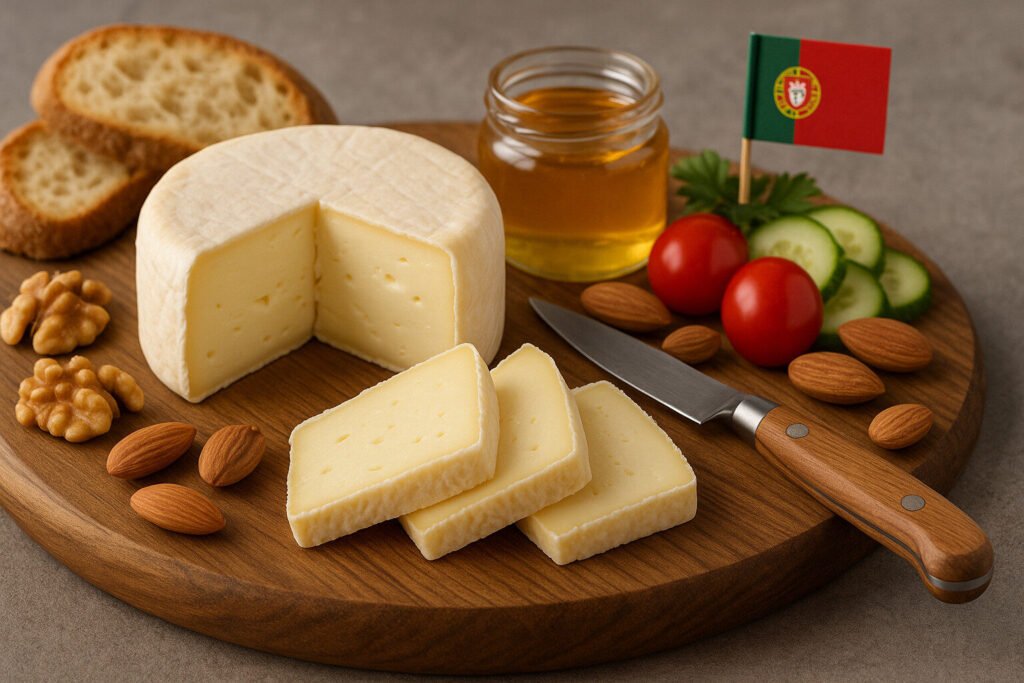
Natural fermentation cheeses serve best as table cheeses or on cheese boards. Their robust flavors can overwhelm delicate dishes but complement hearty breads and charcuterie. Wine pairings typically include full-bodied reds or sour beers.
These cheeses rarely melt well due to their complex protein structures. Cooking applications focus on grating over finished dishes or incorporating into rustic baked goods. Their intensity means small portions provide significant flavor impact.
Regional Examples
French examples include certain farmhouse Cantal and Salers from Auvergne. Italian mountain cheeses like Bitto Storico demonstrate alpine natural fermentation. These products maintain Protected Designation of Origin status.
American artisanal producers create natural rind cheeses inspired by European traditions. Notable examples include Jasper Hill’s Winnimere and Consider Bardwell’s Rupert. These cheeses reflect their specific local environments and dairy practices.