
Discovering Rodopi Cheese of Bulgaria
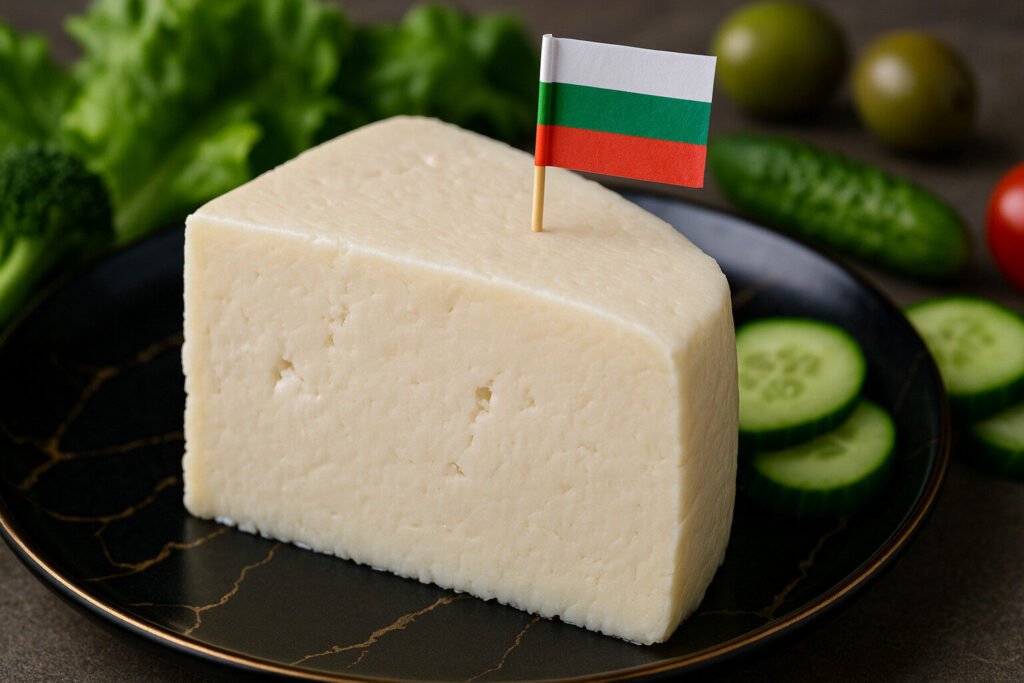
Rodopi cheese, named after the Rodopi Mountains that stretch across the border of Bulgaria and Greece, has long enchanted the […]
Discovering Rodopi Cheese of Bulgaria Read More »
Purple hue cheese refers to varieties exhibiting violet, lavender, or plum coloring in their paste or rind. This distinctive coloration arises from specific molds, bacterial interactions, or natural vegetable ash coatings. These cheeses belong to broader categories like bloomy-rind, washed-rind, or ash-ripened styles. Their unique appearance distinguishes them within cheese taxonomy as visually notable specimens.
The scope encompasses both traditional European varieties and modern artisan creations. Production methods intentionally promote color development through controlled aging environments. These cheeses often feature semi-soft to soft textures with complex flavor profiles. Their classification depends on the specific techniques and microorganisms responsible for the purple manifestation.
Manufacturers achieve purple hues primarily through Penicillium roqueforti mold growth in blue cheeses. The mold develops characteristic blue-purple veining when exposed to oxygen during aging. Some producers use specific bacterial linens that create violet tones on washed-rind varieties. The cheese’s pH level and moisture content critically influence color development.
Alternative methods include applying vegetable-based ash coatings that interact with surface molds. These coatings may contain charcoal from grape vines or other botanical sources. Aging conditions between 10-13°C with 85-95% humidity optimize color formation. The production timeline typically ranges from two months to over a year for full color development.
Purple hue cheeses present diverse aromatic qualities ranging from earthy to sharp. Blue varieties with purple veining typically offer piquant, salty flavors with creamy textures. Washed-rind examples often exhibit pungent aromas with savory, meaty undertones. The visual purple elements generally correlate with intensified flavor complexity.
Texture profiles vary from crumbly and dense in blue cheeses to supple and oozy in bloomy-rind types. Flavor notes commonly include mushroom, cellar, and mineral characteristics. The coloration often indicates specific enzymatic activity that contributes to umami richness. Balanced salt content typically enhances the overall flavor perception.
These cheeses perform excellently on cheese boards where their color provides dramatic visual contrast. They pair particularly well with sweet accompaniments like honey, fig jam, or fresh pears. Full-bodied red wines and stout beers complement their robust flavor profiles. Crumbled blue varieties work effectively in salads and pasta dishes.
Melting properties make them suitable for sauces, grilled sandwiches, and burger toppings. The stronger varieties can stand up to bold ingredients like caramelized onions and roasted garlic. Chefs often use them as finishing elements to add color and flavor complexity. Their distinctive appearance makes them popular for specialty culinary presentations.
France produces notable examples including Fourme d’Ambert with its subtle violet mold veins. English Stilton frequently shows deep blue-purple marbling throughout its ivory paste. Italian Gorgonzola Dolce exhibits pale lavender streaks against its creamy background. These traditional varieties have protected designation of origin status.
American artisans create purple-hued cheeses like Oregon Blue from Rogue Creamery. Contemporary Australian varieties include Berry’s Creek Gippsland Blue with violet patterns. Modern adaptations sometimes incorporate wine-soaked rinds that develop plum-colored surfaces. These examples demonstrate global interpretation of this distinctive cheese characteristic.
Rodopi cheese, named after the Rodopi Mountains that stretch across the border of Bulgaria and Greece, has long enchanted the […]
Discovering Rodopi Cheese of Bulgaria Read More »