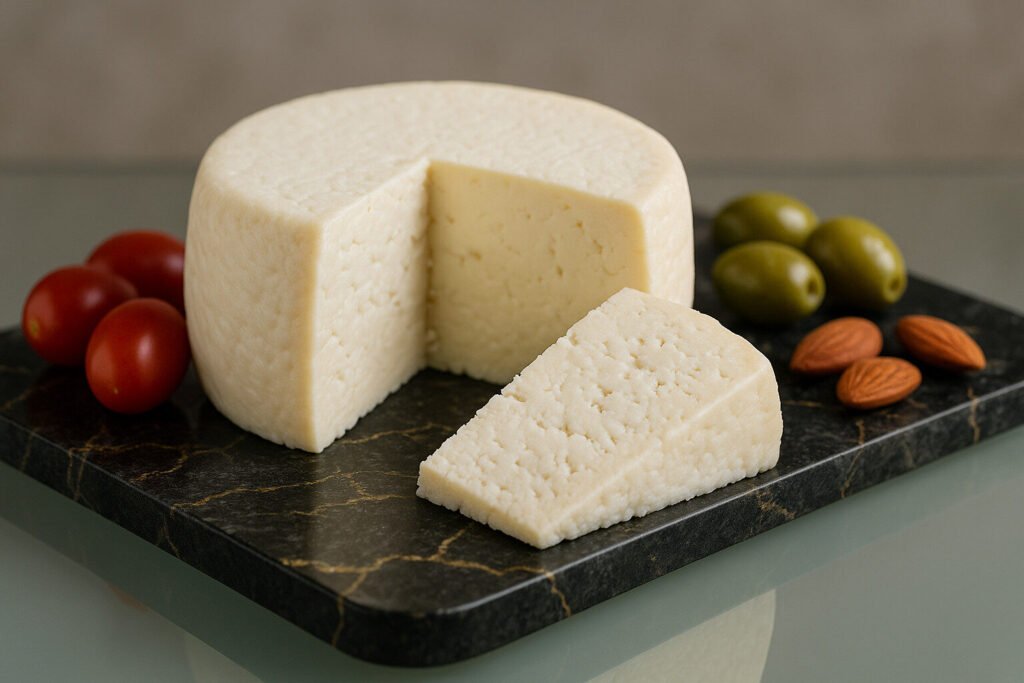
Quick Production Cheese
Definition and Scope
Quick production refers to cheeses manufactured with accelerated timelines from milk to finished product. This category encompasses fresh, brined, and some soft-ripened cheeses requiring days or weeks rather than months. These cheeses bypass extended aging to deliver rapid market turnover and distinct textural qualities.
Production scope includes high-moisture varieties like ricotta, quark, and feta. These cheeses maintain perishable characteristics demanding refrigeration and shorter shelf lives. Their economic advantage lies in reduced inventory holding costs and faster capital recovery for producers.
Production Techniques
Accelerated methods begin with high-temperature processing and specialized starter cultures for rapid acid development. Coagulation often utilizes microbial rennet or acidic compounds rather than traditional animal rennet. Whey drainage occurs through pressing or centrifugation instead of gravity-dependent methods.
Many quick-production cheeses skip brining or salting steps entirely to save time. Controlled humidity environments enable surface drying within hours rather than days. Final packaging frequently employs modified atmospheres to extend freshness without aging requirements.
Sensory Profile
Quick-production cheeses typically exhibit high moisture content and mild acidity. Their flavor profiles remain simple with pronounced lactic and milky notes rather than complex aged characteristics. Textures range from spreadable creams to crumbly curds depending on moisture retention.
These cheeses lack the crystalline structures and protein breakdown products of aged varieties. Aroma compounds remain subtle without the development of ketones or sulfur compounds. The absence of aging prevents formation of tyrosine crystals or calcium lactate deposits.
Culinary Applications
High moisture content makes these cheeses ideal for spreading on breads or incorporating into dips. Their mild flavors serve as neutral bases for herb infusions and spice blends. Quick-melting properties suit them for sauces, fillings, and garnishes.
These cheeses perform well in baking applications where extended heating would cause aged cheeses to separate. Their freshness complements salads and cold preparations without overpowering other ingredients. Industrial food manufacturing utilizes them for consistent texture and rapid production cycles.
Regional Examples
France produces fromage frais and Petit Suisse within days of milk processing. Italy’s mascarpone and ricotta require only hours from curd formation to packaging. Greek feta achieves its characteristic tang through brief brining rather than extended aging.
Middle Eastern labneh represents strained yogurt cheeses ready within twenty-four hours. Scandinavian quark varieties are cultured and packaged within two days. These regional specialties demonstrate how local traditions have optimized rapid cheese production techniques.