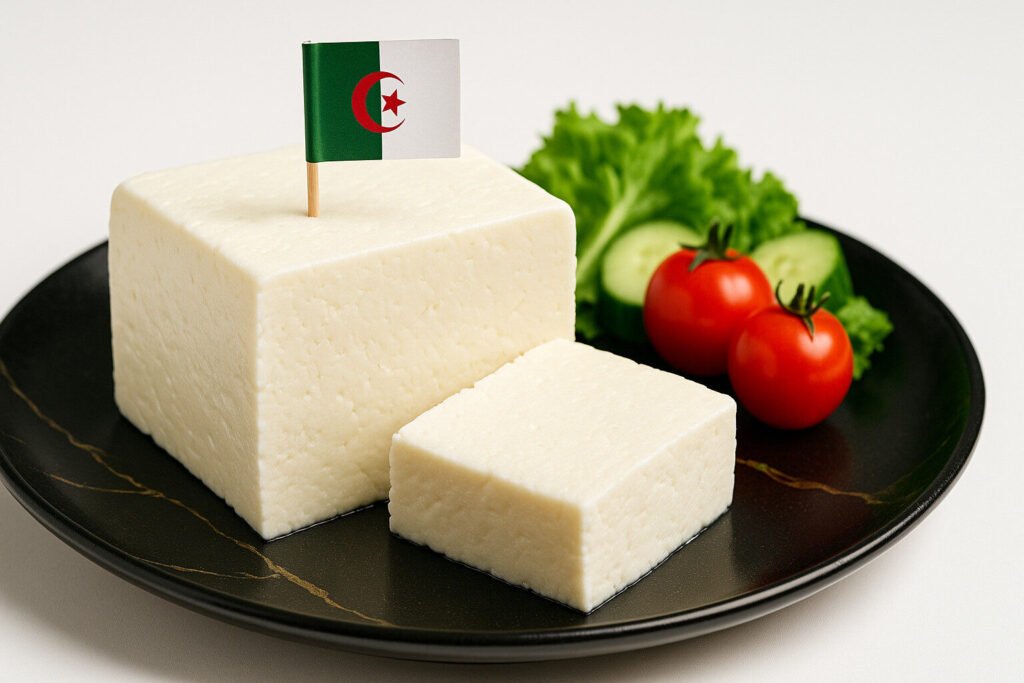
Salty Finish Cheese
Definition and Scope
Salty finish cheese refers to varieties where salt is a dominant final flavor note. This characteristic often results from surface treatments like brining or dry salting during aging. The saltiness enhances other flavors without overwhelming the cheese’s core profile.
These cheeses span multiple categories including hard, semi-hard, and some blue varieties. Feta, halloumi, and certain aged cheddars commonly exhibit this trait. The salt level typically ranges from noticeable to pronounced depending on production methods.
Production Techniques
Brining involves submerging formed cheeses in saltwater solutions for specific durations. This method evenly distributes salt throughout the cheese matrix. Brining time directly impacts the intensity of the salty finish.
Dry salting applies salt directly to cheese surfaces during aging. This technique creates concentrated salt crystals on the rind. Repeated salting sessions develop complex salty characteristics in the final product.
Sensory Profile
The salty sensation typically registers on the sides and tip of the tongue. It often appears after initial fat and protein flavors subside. This delayed salt perception defines the “finish” quality.
Accompanying notes may include mineral tones or slight sweetness. The saltiness can enhance umami characteristics in aged varieties. Texture ranges from crumbly to semi-firm depending on moisture content.
Culinary Applications
Salty finish cheeses work well in salads where they provide seasoning. Their pronounced flavor stands up to robust ingredients like olives and cured meats. Crumbled varieties integrate easily into grain bowls and vegetable dishes.
These cheeses pair effectively with sweet elements like honey or fresh fruit. They balance rich, fatty foods when served on charcuterie boards. Cooking applications include grilling and baking where saltiness concentrates.
Regional Examples
Greek feta represents a classic brined cheese with salty finish. Turkish beyaz peynir and Bulgarian sirene share similar characteristics. Mediterranean varieties often use sheep’s or goat’s milk.
English coastal cheddars develop saltiness from aging in seaside caves. French tome des Bauges exhibits subtle salt from mountain herb grazing. These regional variations demonstrate how terroir influences salt perception.