
Edam Cheese – A Global Favorite
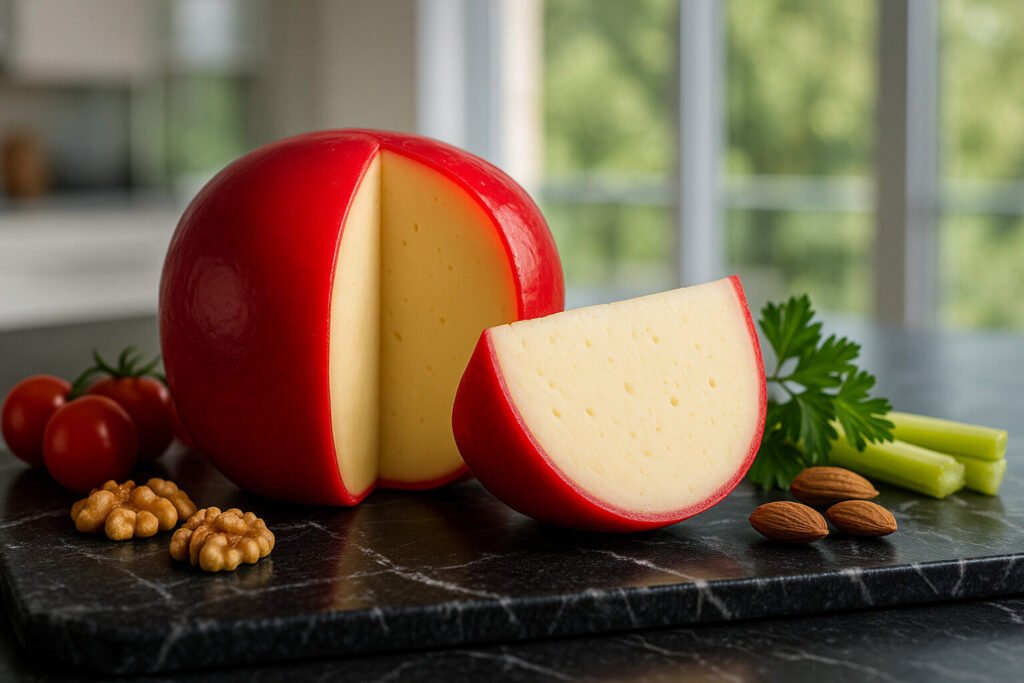
Discover Edam cheese from International. Mild, semi-hard, and perfect for snacking or melting. A classic Dutch favorite.
Edam Cheese – A Global Favorite Read More »
Spherical shape in cheese refers to wheels formed into round balls during production. This geometric form is common in many cheese varieties, from small fresh cheeses to large aged wheels. The shape influences rind development, moisture distribution, and maturation patterns throughout the cheese.
Spherical cheeses range from tiny bocconcini to substantial Edam balls weighing several pounds. This category includes both rindless fresh cheeses and hard-rinded aged varieties. The spherical form represents a fundamental cheese morphology alongside blocks, cylinders, and pyramids in global cheese taxonomy.
Cheesemakers create spherical shapes using specialized molds and forming methods. Fresh cheeses like mozzarella are hand-stretched and rolled into balls while still pliable. For harder varieties, spherical molds shape the curds under pressure during the pressing stage of cheesemaking.
The spherical form requires careful attention during aging to maintain structural integrity. Cheeses like Edam develop their characteristic round shape through traditional Dutch pressing techniques. This geometry allows for even air circulation and consistent rind development during the maturation process.
Spherical cheeses exhibit unique textural characteristics due to their uniform shape. The curvature creates consistent density from center to rind, influencing moisture distribution. This results in predictable flavor development patterns throughout the cheese wheel.
The surface-to-volume ratio of spherical cheeses affects ripening speed and intensity. Smaller balls like baby bocconcini have higher surface area relative to volume, leading to quicker moisture loss. Larger spheres develop more complex flavor gradients between the exterior and core regions.
Spherical cheeses serve both functional and aesthetic purposes in food preparation. Small balls like pearl mozzarella are ideal for salads and antipasto platters due to their portion-controlled size. The round shape makes them easy to skewer for appetizers and kebabs.
Whole spherical cheeses often function as centerpieces for cheese boards and decorative displays. Their uniform shape facilitates consistent slicing and portioning for retail and food service. The geometry also influences melting characteristics in cooked applications.
Edam from the Netherlands represents the most iconic spherical cheese with its distinctive red wax coating. Italian cheesemaking produces numerous spherical varieties including bocconcini, burrata, and caciocavallo. These demonstrate how different cultures have adopted the spherical form across cheese styles.
French tomme-style cheeses frequently appear in spherical formats, particularly in alpine regions. Mediterranean countries produce various fresh sheep’s and goat’s milk cheeses in ball shapes. The spherical form appears across cheese-making traditions worldwide, adapted to local ingredients and techniques.
Discover Edam cheese from International. Mild, semi-hard, and perfect for snacking or melting. A classic Dutch favorite.
Edam Cheese – A Global Favorite Read More »
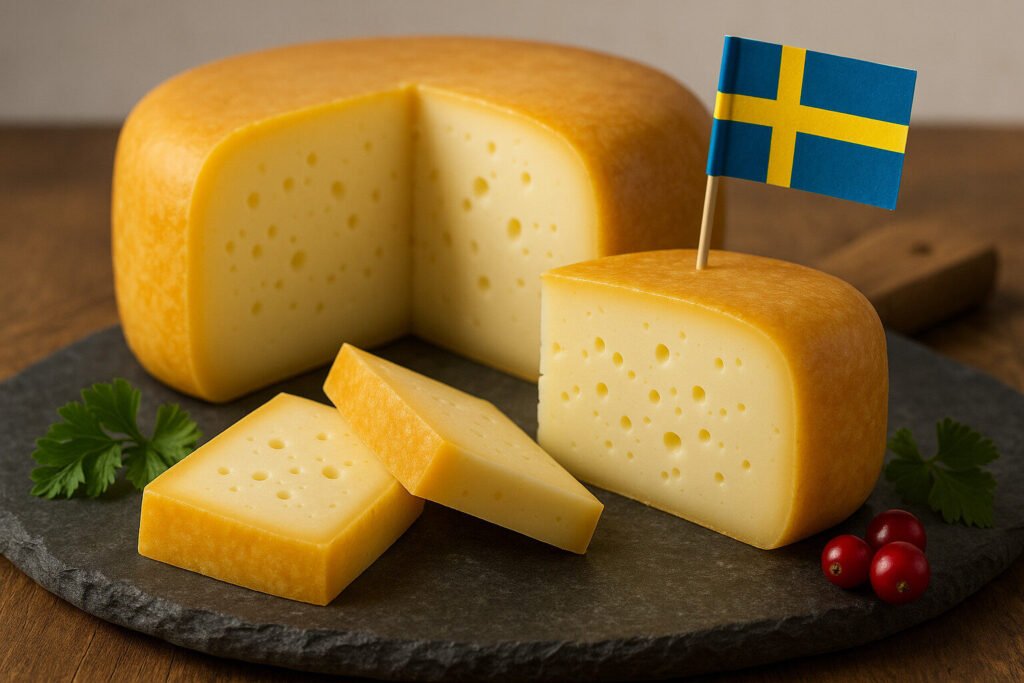
With history dating back to the 19th century, Bondost, a Swedish classic, is cherished for its unique blend of flavors,
Discovering Bondost cheese from Sweden Read More »

Discover Shanklish, a tangy, aged cheese from the Middle East. Perfect for salads, mezze, or as a bold snack.
Shanklish Cheese: Middle Eastern cheese known for its flavor Read More »
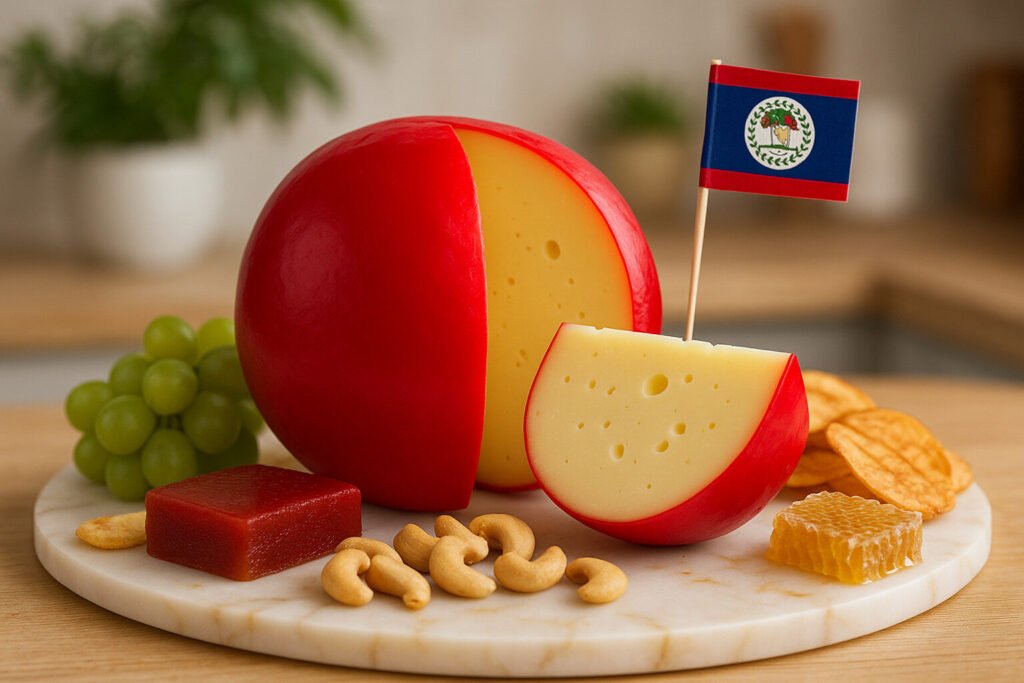
Discover Belizean Queso de Bola, a firm, mild cheese from Belize. Perfect for slicing, grating, or enjoying with fruit and crackers.
Belizean Queso de Bola Cheese from Belize Read More »

Discover Klinkovy cheese from Belarus. Enjoy its unique flavor and traditional craftsmanship in every bite. Perfect for cheese lovers.
Klinkovy Cheese from Belarus – A Taste of Tradition Read More »

The Burduf Cheese, indigenous to the Carpathian Mountains of Romania, is truly a valuable gem within the diverse world of
Discovering Burduf cheese from Romania cheese Read More »