Squeaky Cheese
Definition and Scope
Squeaky texture refers to a distinct auditory and tactile sensation experienced when chewing certain fresh cheeses. This phenomenon occurs when cheese proteins and calcium phosphate rub against tooth enamel during mastication. The texture is most prominent in high-moisture, unaged cheeses that maintain their structural integrity.
This characteristic is primarily associated with fresh cheese varieties that have not undergone aging or pressing processes. Cheeses displaying squeakiness typically contain moisture levels exceeding 50% and have a pH range between 5.0 and 5.3. The texture serves as an indicator of freshness and proper handling in these cheese varieties.
Production Factors
Squeaky texture develops during specific manufacturing processes involving high-temperature cooking and rapid acidification. Cheesemakers achieve this by heating curds to temperatures between 38-42°C while maintaining precise pH control. The combination of heat treatment and acid development creates the protein matrix responsible for the acoustic properties.
Proper curd handling and immediate cooling after formation are crucial for preserving the squeaky characteristic. Manufacturers must avoid over-pressing or excessive weight application during molding. The cheese must be consumed within days of production as aging eliminates the squeak through protein breakdown and moisture loss.
Sensory Profile
The squeaking sensation manifests as both an audible high-frequency sound and distinct tooth resistance during chewing. Consumers perceive this as a clean, rubbery texture that releases minimal oil or moisture. The auditory component ranges from faint whispers to pronounced squeaks depending on cheese freshness and individual bite force.
This texture correlates with other sensory attributes including bright acidity, milky flavors, and springy mechanical properties. The squeak typically diminishes after several chews as saliva penetrates the protein structure. Temperature affects the intensity, with cheeses served at room temperature exhibiting the most pronounced acoustic characteristics.
Culinary Applications
Squeaky textured cheeses perform exceptionally well in applications requiring structural integrity and mild flavor. They maintain their distinctive texture when grilled, pan-fried, or baked at moderate temperatures. These cheeses are particularly valued in dishes where their acoustic quality provides novel eating experiences.
Their high moisture content makes them ideal for melting while retaining some structural squeak. Chefs utilize these cheeses in quesadillas, grilled cheese sandwiches, and cheese curd presentations. The texture pairs well with crisp vegetables and acidic components that complement their mild dairy notes.
Regional Examples
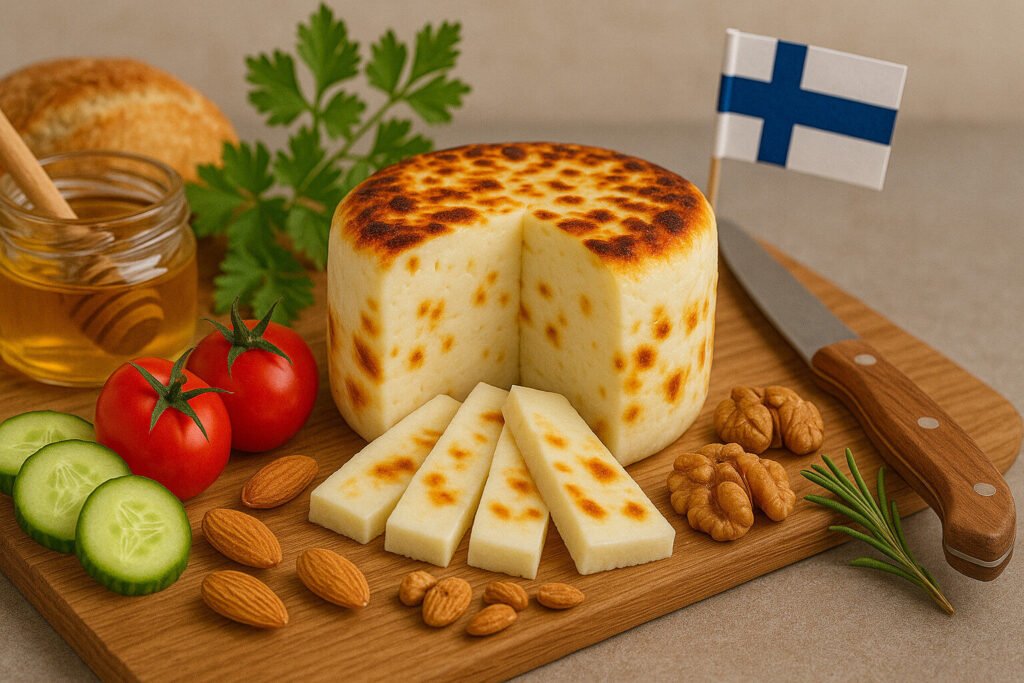
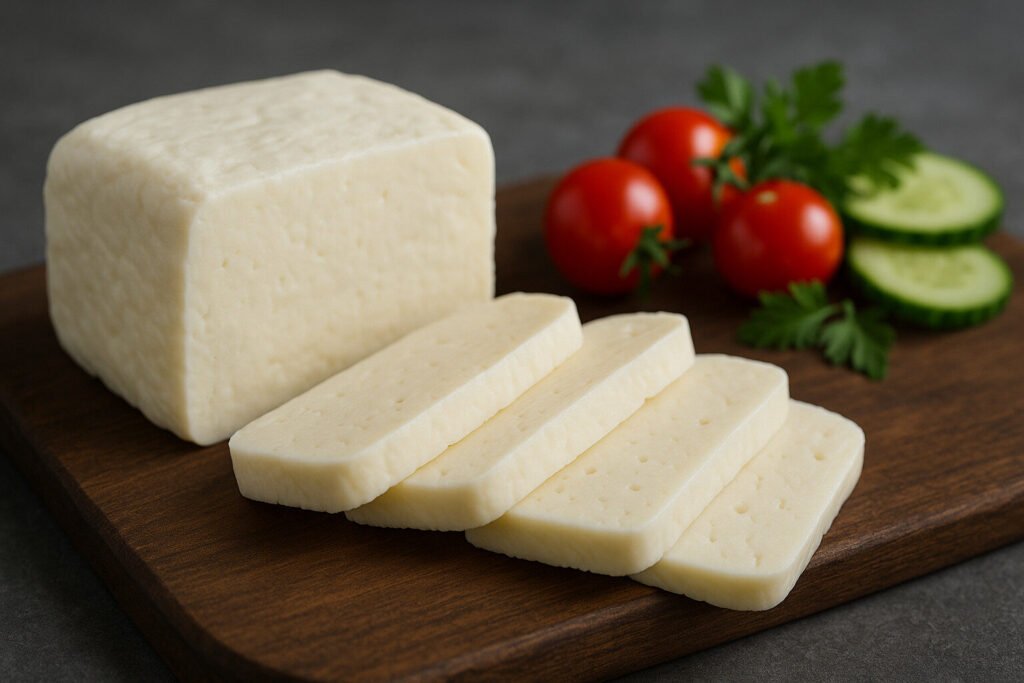
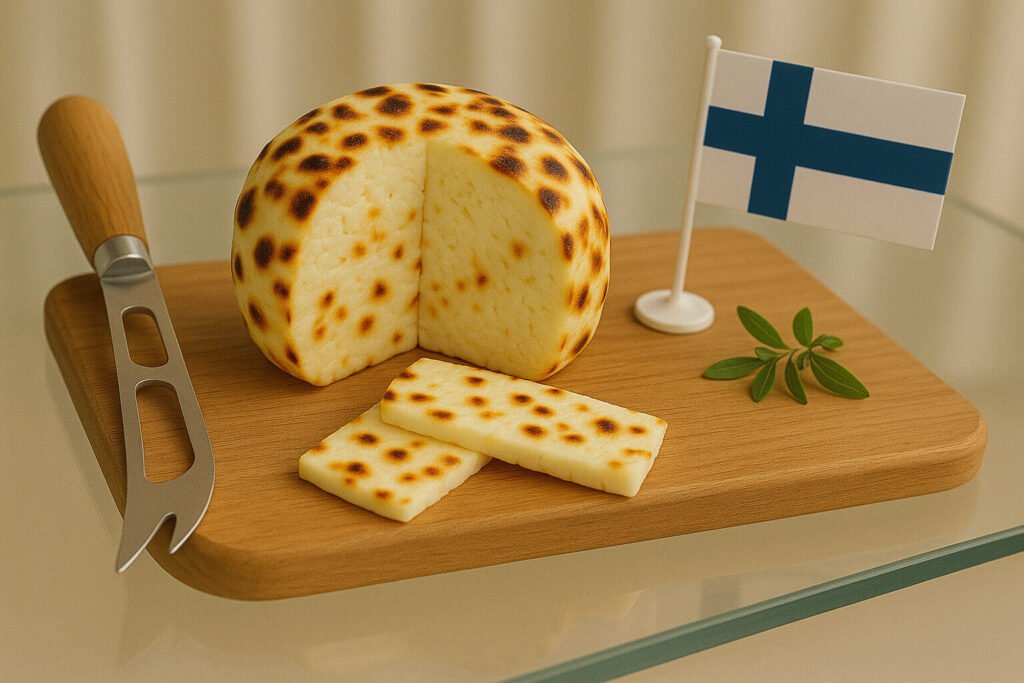
Halloumi from Cyprus represents the most internationally recognized squeaky textured cheese. Traditional production uses a combination of goat’s and sheep’s milk heated to specific temperatures before brining. The cheese maintains its squeak even when heated, making it unique among textured varieties.
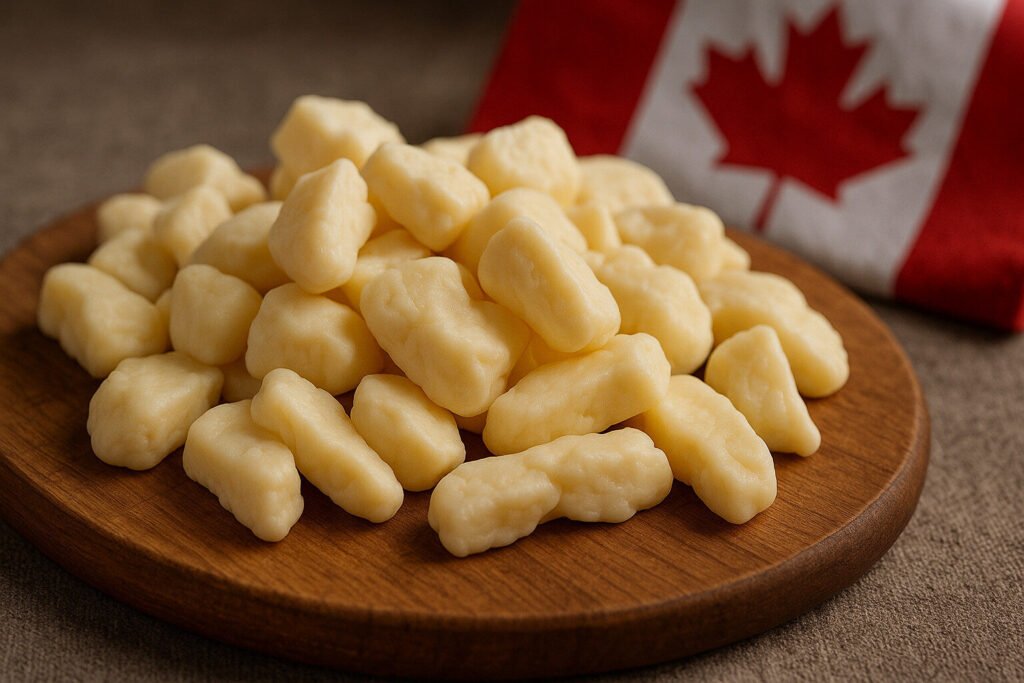
Cheese curds from Quebec and Wisconsin demonstrate the squeaky texture in their freshest state. These cheddar-derived curds must be consumed within 24 hours of production for optimal acoustic quality. Indian paneer and Latin American queso fresco also exhibit milder versions of this texture when freshly prepared.