
Discovering Savinjski Sir cheese of Slovenia
Savinjski Sir, popularly recognized as cheese from the Savinja Valley, is the epitome of Slovenia’s distinguished dairy culture. Revered for […]
Discovering Savinjski Sir cheese of Slovenia Read More »
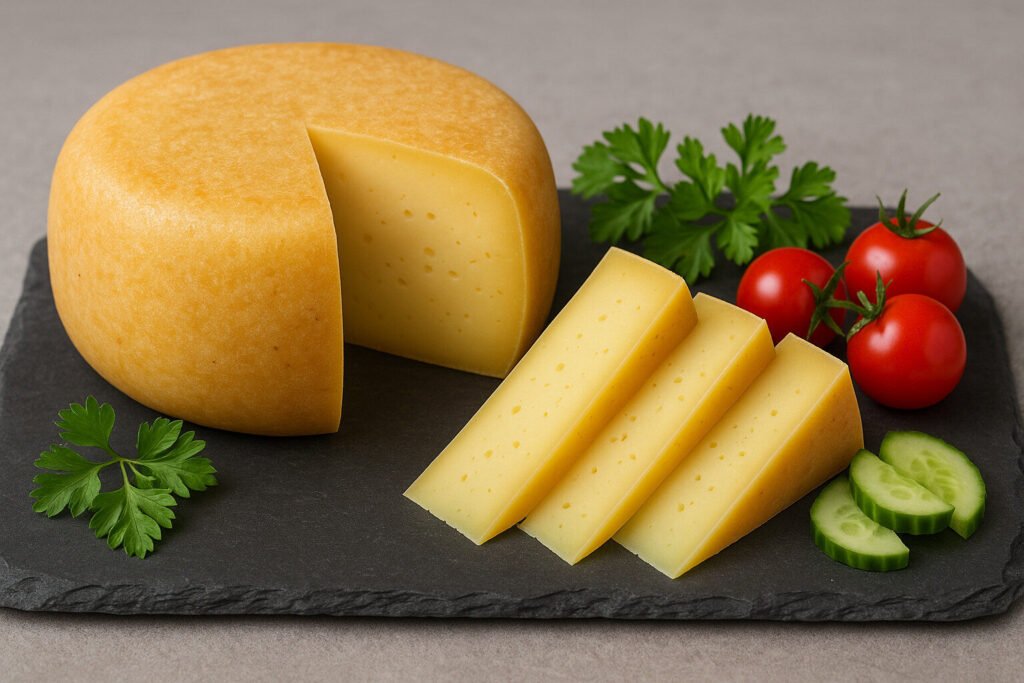
Straw yellow cheese refers to a broad category of cheeses distinguished by their pale yellow to golden interior color. This coloration typically results from the natural beta-carotene pigments in cow’s milk, which is the primary milk used. The term encompasses numerous styles and varieties, rather than denoting a single specific cheese. It is a descriptive classification based on visual appearance within cheese taxonomy.
These cheeses can vary widely in texture, from semi-soft to hard, and in flavor profiles. They are produced globally, with many traditional European varieties falling into this category. The scope includes both aged and fresh cheeses, united by their characteristic hue. This classification helps consumers and professionals identify cheeses based on a key visual attribute.
The production begins with high-quality cow’s milk, which naturally contains the carotenoid pigments responsible for the color. The milk is often partially skimmed or standardized to achieve the desired fat content. Starter cultures and rennet are added to coagulate the milk, forming curds. The specific techniques employed depend on the cheese style being produced.
Curds are cut, cooked, and pressed according to the variety’s requirements. The characteristic straw yellow color develops without artificial coloring in traditional productions. Aging periods can range from a few weeks to several years, influencing final texture and flavor. The entire process is carefully controlled to maintain the cheese’s visual and qualitative standards.
Straw yellow cheeses typically offer a mild to pronounced buttery and creamy flavor. The aroma is often milky and clean, with nutty or grassy notes developing in aged versions. Texture ranges from supple and pliable in younger cheeses to firm and crystalline in longer-aged ones. The balance of saltiness and acidity is a key component of their profile.
As these cheeses age, flavors can intensify, developing complexities like caramelization or fruitiness. The mouthfeel is generally smooth, though granular textures appear in some grating varieties. The finish can be short and clean or long and lingering. This diverse sensory range makes the category appealing for various palates and uses.
These cheeses are exceptionally versatile in culinary applications due to their balanced flavor profiles. They are commonly used for direct consumption on cheese boards, paired with fruits and crackers. Their excellent melting properties make them ideal for cooked dishes like gratins, sandwiches, and pasta sauces. They provide both flavor and visual appeal to prepared foods.
In food service, they serve as base cheeses for fondues and cheese sauces. Their ability to complement rather than overpower other ingredients makes them valuable in composite dishes. They are also frequently grated over soups, salads, and pasta. This adaptability across raw and cooked preparations contributes to their widespread popularity.
Classic examples include Gruyère from Switzerland, known for its complex nutty flavor and firm texture. Italian Fontina, with its semi-soft body and mild, earthy notes, is another prominent representative. Dutch Gouda, particularly the younger varieties, displays the characteristic pale yellow color and smooth texture. These European cheeses set the standard for the category.
French Comté offers a straw yellow paste with flavors ranging from sweet and nutty to more robust in older wheels. Many Cheddar styles from England also fit this description, especially those made from cow’s milk. Contemporary producers worldwide create cheeses following these traditional models. These examples demonstrate the category’s diversity across different cheesemaking regions.
Savinjski Sir, popularly recognized as cheese from the Savinja Valley, is the epitome of Slovenia’s distinguished dairy culture. Revered for […]
Discovering Savinjski Sir cheese of Slovenia Read More »