
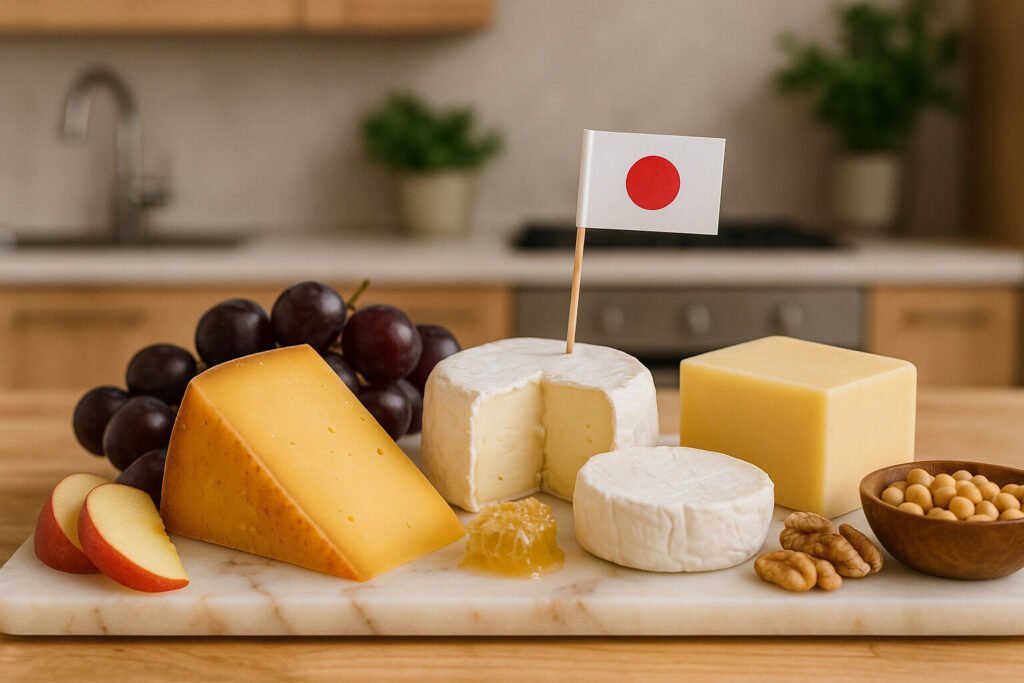
Tokachi Cheese embodies the rich dairy heritage of Hokkaido, Japan, offering a diverse array of artisanal cheeses prized by chefs and gourmets. Produced in the Tokachi region’s volcanic soil, this cheese showcases unique textures and flavors from creamy soft varieties to firm aged wheels. Its craftsmanship blends European techniques with Japanese precision, creating a distinctive product that highlights local terroir. Tokachi Cheese serves as a versatile ingredient and a standalone delicacy, appealing to cheese lovers seeking quality and innovation.
In this article
Distinctive Features of Tokachi Cheese
Tokachi Cheese typically forms wheels weighing between 500 grams and 3 kilograms, with sizes varying by producer and style. The rind ranges from natural and rustic to bloomy or wax-coated, often displaying earthy tones of beige or gray. Internally, the paste color shifts from snowy white in fresh cheeses to golden yellow in aged versions, reflecting the milk’s high butterfat content.
Texture in Tokachi Cheese spans from supple and moist to dense and crystalline, depending on humidity control during aging. Soft varieties like Camembert-style Tokachi boast a creamy, spreadable consistency with around 50% humidity. Firm types such as Gouda-style exhibit a smooth, pliable texture that becomes crumbly after extended maturation. This versatility makes Tokachi Cheese suitable for slicing, melting, or grating in various dishes.
Tokachi Cheese Varieties
Tokachi Cheese includes fresh varieties like fromage blanc and ricotta-style cheeses, which are mild and moist. These are often consumed within days of production and have a high moisture content around 60%. They pair well with fruits or serve as dessert components, offering a light, tangy flavor profile.
Semi-hard Tokachi Cheese, such as Tomme-style, ages for three to six months developing a nutty taste. It features a natural rind and a firm yet elastic texture, ideal for sandwiches or cheese boards. Another popular type is the blue-veined Tokachi, inoculated with Penicillium roqueforti for a sharp, piquant character.
Regional Adaptations of Tokachi Cheese
Local dairies in Tokachi produce smoked versions using native woods like cherry or oak for a distinctive aroma. These smoked cheeses undergo cold smoking processes that infuse smoky notes without cooking the curd. They often have a reddish-brown rind and a robust flavor that complements grilled dishes or hearty breads.
Herb-infused Tokachi Cheese incorporates regional botanicals such as shiso or sansho pepper for a Japanese twist. The herbs are mixed into the curd or applied to the rind, adding aromatic complexity. This variety appeals to those seeking fusion flavors that bridge traditional European styles with local ingredients.
History and Traditions of Tokachi Cheese
Tokachi Cheese production began in the late 19th century with Hokkaido’s colonization and dairy farming expansion. The region’s cool climate and fertile pastures proved ideal for raising dairy cattle, primarily Holstein cows. Early cheesemakers adopted techniques from Dutch and French immigrants, adapting them to local conditions. This fusion created a unique cheese culture that thrives in Tokachi’s agricultural heartland.
The Tokachi region is also famous for potatoes, wheat, and lavender fields, contributing to a diverse food scene. Local festivals like the Tokachi Cheese Fair celebrate this heritage with tastings and competitions. Traditions include family-run dairies passing down recipes through generations, emphasizing artisanal quality over mass production. These practices ensure Tokachi Cheese remains a symbol of regional pride and culinary innovation.
Production Process and Producers of Tokachi Cheese
Tokachi Cheese uses raw or pasteurized cow’s milk sourced from Hokkaido’s grass-fed herds, known for high fat content around 4%. The milk is heated to 32°C and inoculated with mesophilic or thermophilic cultures depending on the cheese type. Rennet is added to coagulate the milk into curds, which are cut, stirred, and pressed into molds. Aging occurs in cellars with controlled temperature and humidity, lasting from two weeks to over two years for hard varieties.
Major producers include Tokachi Fromage, Hokkaido Cheese Factory, and Dairy Kingdom Tokachi, each offering distinct styles. These facilities prioritize small-batch production and sustainable farming practices. They often use milk from local cooperatives, supporting the regional economy. Artisanal methods like hand-turning and natural rind development are common, ensuring high-quality Tokachi Cheese.
Quality Labels and Certifications for Tokachi Cheese
As to our current knowledge, Tokachi Cheese may carry the JAS (Japanese Agricultural Standard) organic label, certifying no synthetic pesticides or fertilizers. This label ensures the milk comes from farms adhering to strict organic guidelines. It also verifies that processing avoids artificial additives, appealing to health-conscious consumers.
Some producers pursue the Hokkaido Brand certification, highlighting regional origin and quality assurance. This voluntary label promotes traceability and traditional methods specific to Hokkaido. While not a PDO, it helps distinguish Tokachi Cheese in markets by emphasizing its local heritage and artisanal craftsmanship.
Wine or Beverage Pairings with Tokachi Cheese
Soft Tokachi Cheese pairs excellently with crisp Japanese sake like Junmai Ginjo, which enhances its creamy texture. Local Hokkaido wines such as Kerner white wine offer citrus notes that cut through the richness. For international options, a French Chardonnay with buttery undertones complements the cheese’s mild flavors.
Aged Tokachi Cheese matches well with full-bodied red wines like Cabernet Sauvignon or Belgian Trappist ales. The tannins in red wine balance the cheese’s saltiness and crystalline texture. Non-alcoholic pairings include apple cider or green tea, providing refreshing contrasts to the savory profile.
Suitable Fruit and Vegetables for Tokachi Cheese
Fresh Tokachi Cheese pairs beautifully with Hokkaido apples or Japanese pears, offering sweet crunchiness. The fruit’s acidity contrasts with the cheese’s creaminess, creating a balanced bite. Grapes and figs also work well, adding juiciness and natural sweetness to cheese platters.
Vegetables like roasted bell peppers or asparagus bring earthy flavors that enhance semi-hard Tokachi Cheese. Their slight bitterness offsets the cheese’s richness without overpowering it. Pickled vegetables such as radish or cucumber provide a tangy counterpoint, ideal for refreshing the palate.
Suitable Meat and Fish Dishes with Tokachi Cheese
Tokachi Cheese melts smoothly into grilled chicken or pork dishes, adding a creamy sauce element. It can be grated over pasta with seafood like scallops for a rich, umami depth. The cheese’s mildness allows it to complement rather than dominate the protein flavors.
For fish, baked salmon with a Tokachi Cheese crust highlights the cheese’s nutty notes. Smoked varieties pair well with cured meats like Hokkaido ham or sakura-smoked duck. In sushi rolls, soft Tokachi Cheese adds a unique twist to traditional Japanese cuisine.
Presentation of Tokachi Cheese
Serve Tokachi Cheese on a wooden or slate board to showcase its natural aesthetics. Remove it from the refrigerator at least one hour before serving to reach an ideal temperature of 18-20°C. This allows the flavors and aromas to fully develop, enhancing the tasting experience.
Arrange slices or wedges with space between varieties to prevent flavor transfer. Use cheese knives with different blades for soft and hard types to ensure clean cuts. For eating, provide small forks or spreaders to maintain elegance and hygiene during consumption.
Questions and Answers about Tokachi Cheese
How should I store Tokachi Cheese?
Tokachi Cheese should be wrapped in wax paper or cheese paper and stored in the refrigerator vegetable drawer. This maintains humidity and prevents drying. For aged Tokachi Cheese, keep it in a cool, dark place around 10°C to preserve its texture.
What is the shelf life of Tokachi Cheese?
Fresh Tokachi Cheese lasts about one week refrigerated, while aged varieties can keep for several months. Always check for mold or off odors as indicators of spoilage. Proper storage extends the shelf life of Tokachi Cheese.
Can I freeze Tokachi Cheese?
Freezing Tokachi Cheese is not recommended as it alters the texture and flavor. Thawed cheese may become crumbly or watery. For best quality, consume Tokachi Cheese fresh or aged as intended.
How do I cut Tokachi Cheese properly?
Use a wire cutter for soft Tokachi Cheese to avoid squashing. For hard Tokachi Cheese, a firm knife works well. Always cut along the natural lines or wedges to preserve presentation.
Where can I buy Tokachi Cheese?
Tokachi Cheese is available in specialty cheese shops in Japan and online retailers worldwide. Many Hokkaido markets and duty-free stores stock it. Look for authentic Tokachi Cheese with clear origin labeling.
Is Tokachi Cheese suitable for cooking?
Yes, Tokachi Cheese melts beautifully in sauces, gratins, and baked dishes. Its versatility makes it ideal for both cold and hot preparations. Experiment with Tokachi Cheese in traditional Japanese or fusion recipes.
What milk type is used in Tokachi Cheese?
Tokachi Cheese primarily uses cow’s milk from Hokkaido herds. The milk has high butterfat content, around 4%, contributing to rich flavor. Some varieties may blend milks for unique profiles.
How is Tokachi Cheese different from European cheeses?
Tokachi Cheese incorporates Japanese terroir and local ingredients, giving it a distinct mildness and creaminess. While inspired by European styles, it often has less salt and a cleaner finish. This makes Tokachi Cheese uniquely appealing.
Can lactose-intolerant people eat Tokachi Cheese?
Aged Tokachi Cheese has lower lactose content and may be tolerable for some. However, fresh varieties contain more lactose. Consult a doctor before consuming Tokachi Cheese if you have sensitivities.
What is the fat content in Tokachi Cheese?
Tokachi Cheese typically has 45-50% fat in dry matter, varying by type. Soft cheeses are higher in moisture and fat, while hard ones concentrate nutrients. This makes Tokachi Cheese a rich, flavorful choice.
Recipe Ideas for Tokachi Cheese
Tokachi Cheese and Vegetable Gratin
This gratin highlights the melting qualities of semi-hard Tokachi Cheese, creating a comforting dish. The cheese’s nutty flavor pairs well with seasonal vegetables like potatoes and broccoli. It is perfect for family dinners or potlucks, offering a creamy texture that appeals to all ages. The recipe uses simple techniques to enhance the natural taste of Tokachi Cheese.
Preparing the gratin involves layering vegetables with a cheese sauce for even cooking. Baking at a moderate temperature ensures a golden crust without burning the cheese. Serve it hot from the oven to enjoy the full aroma and gooey consistency. This dish showcases Tokachi Cheese as a versatile ingredient in everyday meals.
- 200 grams semi-hard Tokachi Cheese, grated
- 500 grams potatoes, sliced
- 200 grams broccoli florets
- 300 milliliters whole milk
- 2 tablespoons butter
- 2 tablespoons flour
- Salt and pepper to taste
- 50 grams breadcrumbs
- Preheat oven to 180°C. Boil potato slices until tender, about 10 minutes.
- Steam broccoli for 5 minutes until bright green. Set aside.
- Melt butter in a pan, whisk in flour to make a roux. Gradually add milk, stirring until thickened.
- Mix in 150 grams grated Tokachi Cheese until melted. Season with salt and pepper.
- Layer potatoes and broccoli in a baking dish. Pour cheese sauce over top.
- Sprinkle remaining cheese and breadcrumbs. Bake for 20 minutes until bubbly and golden.
Tokachi Cheese and Apple Salad
This salad combines fresh Tokachi Cheese with crisp apples for a refreshing starter or light meal. The cheese’s creamy texture contrasts with the fruit’s crunch, while a honey-mustard dressing ties the flavors together. It is an excellent way to showcase the mildness of Tokachi Cheese in a healthy context. The recipe requires minimal preparation, making it ideal for quick lunches.
Using local Hokkaido apples enhances the regional connection of Tokachi Cheese. The salad can be customized with nuts or greens for added nutrition. Serve it chilled to maintain the cheese’s firmness and the apple’s freshness. This dish demonstrates how Tokachi Cheese can elevate simple ingredients into a gourmet experience.
- 150 grams fresh Tokachi Cheese, cubed
- 2 medium apples, thinly sliced
- 100 grams mixed salad greens
- 50 grams walnuts, toasted
- 3 tablespoons olive oil
- 1 tablespoon honey
- 1 teaspoon Dijon mustard
- Salt and pepper to taste
- Wash and dry salad greens. Place in a large bowl.
- Add cubed Tokachi Cheese, apple slices, and walnuts.
- In a small jar, shake olive oil, honey, mustard, salt, and pepper to emulsify.
- Drizzle dressing over salad and toss gently to coat.
- Serve immediately to prevent wilting. Enjoy as a light dish.
Similar Cheeses and Alternatives to Tokachi Cheese
If you enjoy Tokachi Cheese, consider French Camembert for its similar creamy texture and bloomy rind. Camembert shares a soft, spreadable quality but often has a stronger aroma due to longer aging. Dutch Gouda is another alternative, offering a comparable nutty flavor in semi-hard varieties. Gouda tends to be sweeter and may have a waxed rind unlike Tokachi’s natural coatings.
Within Japan, Sakura Cheese from Hokkaido provides a local option with floral notes from cherry blossom infusions. It mirrors Tokachi Cheese’s artisanal approach but has a distinct seasonal character. For those seeking lactose-free options, aged Italian Pecorino Romano offers a sharp, salty profile that can substitute in grated applications. These alternatives allow exploration of different terroirs while maintaining a cheese-centric culinary experience.