
In this article
Distinctive Features of Warankashi
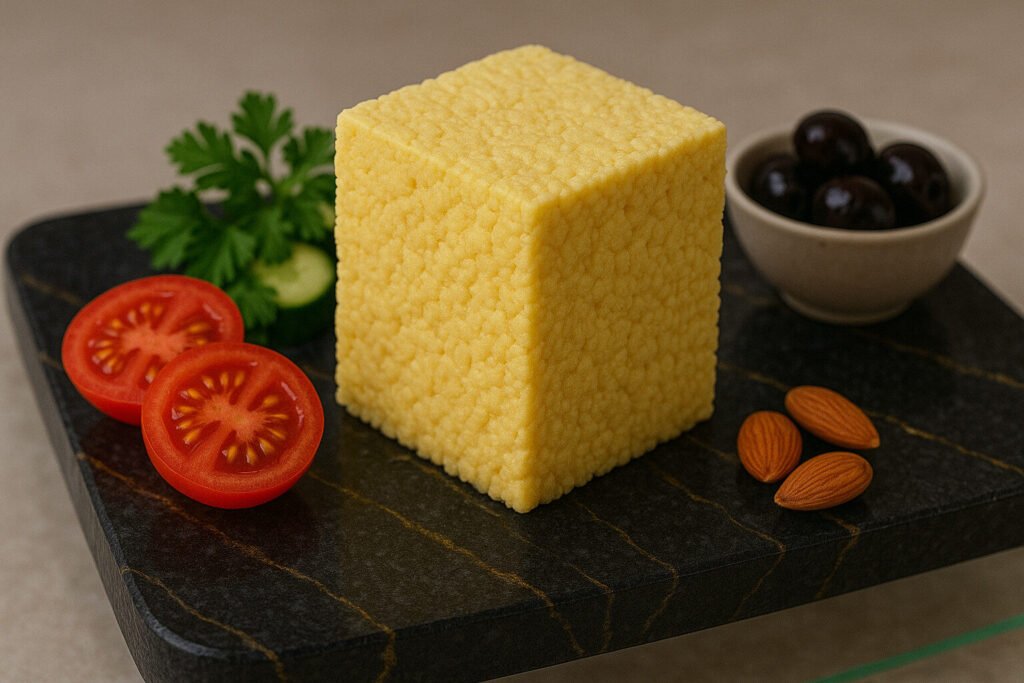
Warankashi typically forms in wheels weighing between 2 to 5 kilograms. Its rind is smooth and pale yellow, sometimes with a light wax coating. The interior paste displays a consistent ivory color with few small eyes.
The texture of Warankashi is semi-firm and slightly elastic to the touch. It has a moisture content of about 40 to 45 percent. This balance gives it a smooth, sliceable consistency without being crumbly.
How Warankashi is typically used
Warankashi is incredibly versatile in the kitchen. Chefs often use it for melting, grating, or serving as a table cheese. Its mild flavor complements both simple and complex dishes.
- Slice Warankashi for cheese boards with fruits and nuts.
- Grate it over pasta, pizzas, and casseroles for a creamy melt.
- Cube it into salads or omelets for added protein.
- Serve it melted in sandwiches or on toast.
- Pair it with light beers or crisp white wines.
Nutrition values and using Warankashi in diets
| Nutrient | Value per 100g |
|---|---|
| Energy | 350-400 kcal |
| Fat | 28-32 g |
| Protein | 22-25 g |
| Carbohydrates | 2-3 g |
| Sodium | 600-800 mg |
| Calcium | 800-1000 mg |
Warankashi provides a rich source of protein and calcium. These nutrients support muscle maintenance and bone health. Its moderate fat content makes it suitable for balanced diets when consumed in portions of 30 to 50 grams.
Incorporate Warankashi into weight management plans by using it as a flavor enhancer. Its strong taste allows for smaller servings. Always pair it with high-fiber foods like whole grains and vegetables for better satiety.
Ingredients and Production Process of Warankashi
Warankashi starts with high-quality pasteurized cow’s milk. Producers add mesophilic starter cultures to initiate fermentation. They also include rennet to coagulate the milk into curds.
The curds are cut into small pieces, about 1 centimeter in size. This step helps expel whey and control moisture. Workers then heat the curds gently to around 38°C while stirring.
After heating, the curds are pressed into molds for several hours. This pressing gives Warankashi its characteristic shape and density. The cheese is then brined in a salt solution for up to 24 hours.
Finally, Warankashi ages in controlled environments for three to six months. Aging develops its flavor and texture. Regular turning ensures even ripening throughout the wheel.
Questions and Answers about Warankashi
What is Warankashi cheese?
Warankashi cheese is a semi-hard, international cheese made from cow’s milk. It features a mild, nutty flavor and a creamy texture. Warankashi cheese is popular in many countries for its versatility.
How should I store Warankashi cheese?
Store Warankashi cheese in the refrigerator at 4°C to 8°C. Keep it wrapped in wax paper or airtight container. Proper storage of Warankashi cheese preserves its freshness for up to three weeks.
Can I freeze Warankashi cheese?
Freezing Warankashi cheese is not recommended. It can alter the texture and cause crumbling. For best quality, consume Warankashi cheese fresh or refrigerated.
How do I cut Warankashi cheese?
Use a sharp knife to cut Warankashi cheese into slices or cubes. Cut against the grain for even pieces. Warankashi cheese cuts smoothly due to its semi-firm consistency.
Where can I buy Warankashi cheese?
You can buy Warankashi cheese in specialty cheese shops or well-stocked supermarkets. Many online retailers also offer Warankashi cheese. Look for it in the international cheese article.
What is the shelf life of Warankashi cheese?
Warankashi cheese has a shelf life of about three to four weeks when refrigerated. Check the packaging for a best-before date. Always smell Warankashi cheese before use to ensure quality.
How is Warankashi cheese used in cooking?
Warankashi cheese melts well in sauces, gratins, and baked dishes. Grate Warankashi cheese over pasta or pizza. Its mild flavor enhances without overpowering other ingredients.
Can Warankashi cheese be eaten by lactose-intolerant people?
Warankashi cheese contains low lactose levels due to aging. Many lactose-intolerant individuals tolerate small portions of Warankashi cheese. Consult a doctor if unsure.
What wines pair well with Warankashi cheese?
Pair Warankashi cheese with light white wines like Sauvignon Blanc. Fruity reds such as Pinot Noir also complement Warankashi cheese. Avoid heavy tannic wines that might clash.
Is Warankashi cheese suitable for vegetarians?
Traditional Warankashi cheese uses animal rennet, making it non-vegetarian. Some producers offer vegetarian versions with microbial rennet. Check the label when buying Warankashi cheese.
Cheese Varieties of Warankashi in different Countries
Warankashi in France
French Warankashi often uses raw milk for a more complex flavor. It ages for a minimum of four months in humid caves. This process gives French Warankashi a sharper taste and a denser texture.
Producers in Normandy add local herbs during the aging stage. This creates a unique, aromatic version of Warankashi. French regulations ensure high quality and traditional methods for Warankashi.
Warankashi in Italy
Italian Warankashi incorporates milk from grass-fed cows in the Alps. It has a slightly sweeter profile due to longer aging. Italian Warankashi often features a natural rind with earthy notes.
Some regions in Italy smoke Warankashi over beechwood. This adds a subtle smokiness that pairs well with robust wines. Italian Warankashi is commonly grated over risottos and polentas.
Warankashi in the United States
American Warankashi is typically made with pasteurized milk for safety standards. It has a milder flavor and a softer texture. Mass production allows for consistent quality and wider availability of Warankashi.
Artisanal producers in Vermont age Warankashi with maple wood. This imparts a hint of sweetness. US Warankashi is popular in grilled cheese sandwiches and burgers.
Warankashi in Japan
Japanese Warankashi uses Hokkaido milk, known for its richness. It is often aged for shorter periods, resulting in a creamier paste. Japanese Warankashi has a delicate, buttery flavor.
Some versions include umami-rich ingredients like kelp. This makes Japanese Warankashi ideal for fusion dishes. It is frequently used in sushi rolls and hot pots.
Warankashi Around the World
Warankashi shows remarkable similarities across countries in its basic production method. Most varieties use cow’s milk and age for several months. The semi-hard texture and nutty notes remain consistent globally.
Differences arise from local traditions and ingredients. For example, European Warankashi often has protected designation of origin status. In contrast, New World versions experiment with flavors like spices or smoke.
Warankashi continues to gain popularity for its adaptability and pleasant taste. Chefs appreciate its reliable performance in both cold and hot preparations. Explore different national varieties to discover your favorite Warankashi expression.