
In this article
Distinctive Features of Brânză în coajă de brad
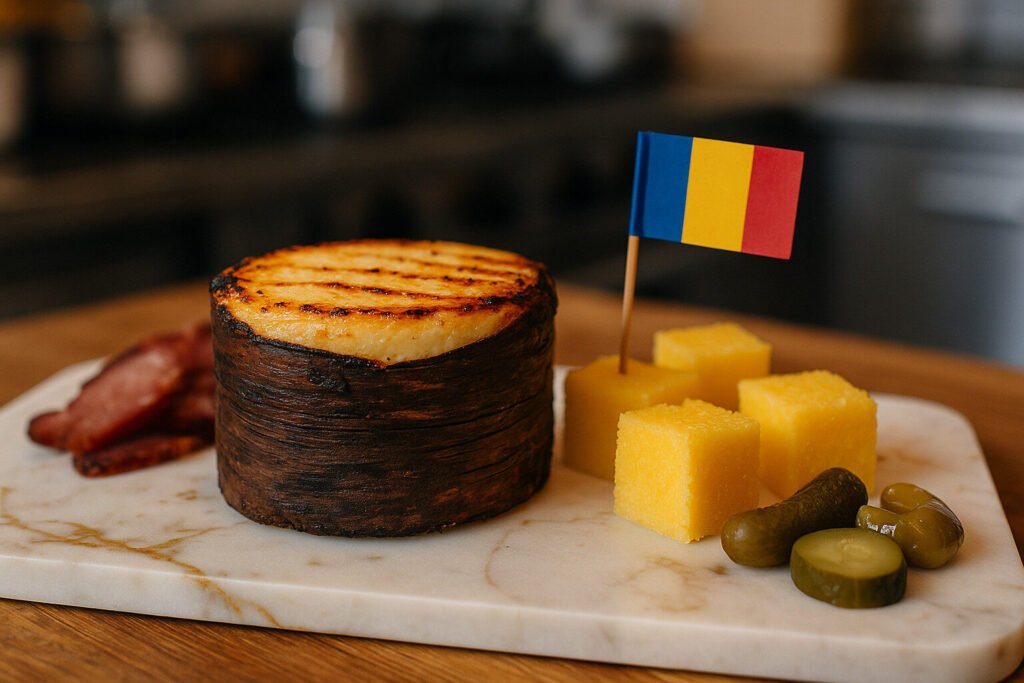
Brânză în coajă de brad typically forms small wheels weighing 500 grams to 1 kilogram. The rind appears dark brown and rough due to the fir bark wrapping. Inside, the paste is pale yellow with a firm, crumbly texture that holds its shape well.
This cheese has a humidity level around 45 percent, giving it a moist mouthfeel. The fat in dry matter measures approximately 45 percent, contributing to its rich, creamy consistency. Its aroma carries distinct woody notes from the bark aging process.
Cheese Varieties of Brânză în coajă de brad
Traditional Brânză în coajă de brad uses pure sheep’s milk from local Carpathian flocks. Some artisanal producers create variations with mixed milk, such as sheep and cow blends. These adaptations maintain the core smoky flavor while offering subtle taste differences.
Aged versions of Brânză în coajă de brad develop a sharper, more intense profile over 6 to 12 months. Fresh varieties aged for only 2 months retain a milder, creamier texture. Regional differences in bark type also influence the final cheese character.
History and Traditions of Brânză în coajă de brad
Brânză în coajă de brad originated in the Carpathian Mountains of Romania centuries ago. Shepherds developed this cheese to preserve milk during long seasonal migrations. The abundant fir forests provided natural bark for wrapping and aging the cheese.
The Transylvanian region is famous for its pastoral traditions and hearty dairy products. Local festivals often feature Brânză în coajă de brad in communal meals and competitions. This cheese symbolizes resilience and heritage in Romanian rural life.
Production Process and Producers
Brânză în coajă de brad starts with raw sheep’s milk from Carpathian breeds. The milk undergoes natural curdling with animal rennet at controlled temperatures. Workers then press the curds into molds and wrap them tightly in fir bark strips.
Aging occurs in cool, humid cellars for 3 to 6 months. The bark imparts tannins and antimicrobial properties during this period. Main producers include artisanal farms in Maramureș, Transylvania, and other Carpathian areas, such as those near Sibiu and Brașov.
Quality Labels and Certifications
As to our current knowledge, Brânză în coajă de brad does not hold a formal PDO or PGI status. It is recognized as a traditional Romanian product under national culinary heritage programs. Some producers adhere to artisanal standards without specific certification labels.
Organic certifications may apply if farms use sustainable practices and natural feed. These labels ensure the milk comes from sheep raised without synthetic additives. Consumers can verify authenticity through local dairy associations in Romania.
Wine or Beverage Pairings
Brânză în coajă de brad pairs beautifully with Romanian red wines like Fetească Neagră. The wine’s dark fruit notes complement the cheese’s smoky intensity. Local ţuică, a plum brandy, also cuts through the richness effectively.
International options include full-bodied Cabernet Sauvignon or Syrah wines. Beer enthusiasts can enjoy it with malty amber ales or dark lagers. The cheese’s bold flavor stands up well to robust beverages.
Suitable Fruit and Vegetables
Fresh apples and pears provide a crisp, sweet contrast to Brânză în coajă de brad. Their juicy texture balances the cheese’s crumbliness. Grapes and figs add natural sweetness that enhances the smoky notes.
Roasted bell peppers and olives offer savory accompaniments. Their umami flavors harmonize with the cheese’s depth. Leafy greens like arugula add a peppery bite in salads.
Suitable Meat and Fish dishes
Brânză în coajă de brad complements grilled lamb or mutton dishes excellently. Its smoky character echoes the charred flavors from the grill. The cheese can be crumbled over stews to add richness and complexity.
For fish, it pairs well with smoked trout or salmon. The robust cheese flavor stands up to the fish’s oiliness. Incorporate it into pasta sauces with seafood for a hearty meal.
Presentation of Brânză în coajă de brad
Serve Brânză în coajă de brad on a wooden platter to highlight its rustic origins. Remove it from refrigeration 30 minutes before serving. The ideal temperature for consumption is 18 to 20 degrees Celsius.
Arrange slices or chunks alongside bread, fruits, and nuts. Use a sharp cheese knife for clean cuts and a small fork for serving. This presentation emphasizes the cheese’s artisanal qualities and inviting aroma.
Questions and Answers about Brânză în coajă de brad
What is Brânză în coajă de brad?
Brânză în coajă de brad is a traditional Romanian cheese aged in fir bark. It features a smoky flavor and semi-hard texture. Brânză în coajă de brad is made from sheep’s milk in the Carpathian region.
How is Brânză în coajă de brad produced?
Brânză în coajă de brad is produced by curdling sheep’s milk and wrapping it in fir bark. The aging process lasts 3 to 6 months in cool cellars. Brânză în coajă de brad gains its unique aroma from the bark during this time.
Where can I buy Brânză în coajă de brad?
Brânză în coajă de brad is available in Romanian specialty stores and online markets. It is also sold at local farmers’ markets in Transylvania. Brânză în coajă de brad can be purchased directly from artisanal producers.
How should I store Brânză în coajă de brad?
Store Brânză în coajă de brad in the refrigerator wrapped in parchment paper. Keep it in the vegetable drawer to maintain humidity. Brânză în coajă de brad should be consumed within 2 to 3 weeks for best quality.
What is the shelf life of Brânză în coajă de brad?
Brânză în coajă de brad has a shelf life of about 1 to 2 months when stored properly. It is best eaten within the first few weeks after purchase. Brânză în coajă de brad may develop surface mold, which is normal and can be trimmed.
Can I freeze Brânză în coajă de brad?
Freezing Brânză în coajă de brad is not recommended as it alters the texture. The cheese may become crumbly and lose its creamy consistency. Brânză în coajă de brad is best enjoyed fresh or refrigerated.
What dishes can I use Brânză în coajă de brad in?
Brânză în coajă de brad works well in salads, pasta, and as a table cheese. It can be crumbled over soups or grated into sauces. Brânză în coajă de brad adds a smoky depth to various Romanian recipes.
Is Brânză în coajă de brad suitable for vegetarians?
Brânză în coajă de brad uses animal rennet, so it is not vegetarian-friendly. Check the label for specific production details. Brânză în coajă de brad is a dairy product from sheep’s milk.
What makes Brânză în coajă de brad unique?
Brânză în coajă de brad is unique due to its aging process in fir bark. This method imparts a distinctive woody and smoky flavor. Brânză în coajă de brad represents centuries of Romanian pastoral tradition.
How do I cut Brânză în coajă de brad properly?
Use a sharp knife to cut Brânză în coajă de brad into slices or wedges. Cut against the grain to maintain the texture. Brânză în coajă de brad is easiest to cut when at room temperature.
Recipe Ideas
Brânză în coajă de brad and Potato Bake
This hearty bake showcases the smoky flavor of Brânză în coajă de brad. It combines layers of potatoes and cheese for a comforting dish. The recipe highlights traditional Romanian ingredients and simple preparation methods.
Ideal for family dinners or festive gatherings. The cheese melts beautifully, creating a creamy texture. Serve it hot from the oven with a fresh salad on the side.
- 500 grams potatoes, thinly sliced
- 200 grams Brânză în coajă de brad, crumbled
- 1 onion, finely chopped
- 200 milliliters cream
- 2 eggs, beaten
- Salt and pepper to taste
- 1 tablespoon butter for greasing
- Preheat the oven to 180 degrees Celsius.
- Grease a baking dish with butter.
- Layer half of the potato slices in the dish.
- Sprinkle with half of the onion and Brânză în coajă de brad.
- Repeat with remaining potatoes, onion, and cheese.
- Mix cream, eggs, salt, and pepper in a bowl.
- Pour the mixture over the layers in the dish.
- Bake for 45 minutes until golden and bubbly.
- Let it rest for 5 minutes before serving.
Brânză în coajă de brad Stuffed Peppers
These stuffed peppers feature Brânză în coajă de brad as the star ingredient. The cheese’s smokiness pairs well with sweet bell peppers. This dish is both colorful and flavorful, perfect for appetizers or light meals.
Easy to prepare with minimal ingredients. The peppers roast until tender, and the cheese filling becomes creamy. Garnish with fresh herbs for an extra touch of freshness.
- 4 large bell peppers, halved and deseeded
- 150 grams Brânză în coajă de brad, crumbled
- 100 grams cooked rice
- 1 tomato, diced
- 1 clove garlic, minced
- 2 tablespoons olive oil
- Salt and pepper to taste
- Fresh parsley for garnish
- Preheat the oven to 190 degrees Celsius.
- Place pepper halves in a baking dish.
- In a bowl, mix Brânză în coajă de brad, rice, tomato, garlic, salt, and pepper.
- Stuff the mixture into the pepper halves.
- Drizzle with olive oil and cover with foil.
- Bake for 25 minutes.
- Remove foil and bake for another 10 minutes until lightly browned.
- Garnish with parsley before serving.
Similar Cheeses and Alternatives
Brânză în coajă de brad shares similarities with other bark-aged cheeses like French Vacherin Mont d’Or. However, its use of fir bark and sheep’s milk is distinct to Romanian traditions. Alternatives include Cașcaval, another Romanian semi-hard cheese, but it lacks the smoky notes.
For those seeking similar flavors, smoked Dutch Gouda or German Räucherkäse can substitute. The key difference is the woody aroma from bark aging in Brânză în coajă de brad. Brânză de burduf, another Romanian cheese, offers a different texture but similar artisanal heritage.