
In this article
Distinctive Features of Chèvre de Béni-Saf
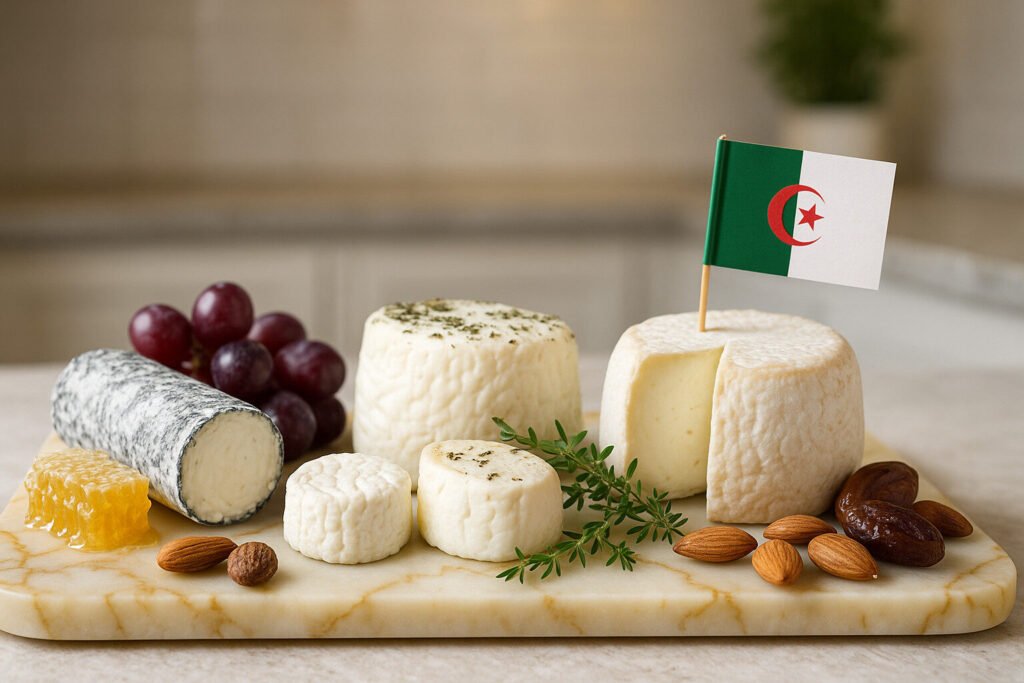
Chèvre de Béni-Saf typically forms small wheels weighing between 200 and 400 grams. The rind presents a natural, off-white color that may develop subtle blue or gray molds during aging. Its paste is semi-soft to firm, offering a smooth and slightly crumbly consistency that melts pleasantly on the palate.
The cheese boasts a humidity level of about 45 to 50 percent, which contributes to its moist mouthfeel. Aromas of fresh goat milk and hints of wild herbs define its olfactory profile. Chèvre de Béni-Saf delivers a balanced tanginess with underlying notes of salt and grass, reflecting its pastoral origins.
Chèvre de Béni-Saf Cheese Varieties
Local adaptations of Chèvre de Béni-Saf include a fresh version aged for just one week. This variety remains soft and spreadable with a mild lactic flavor. Artisans also produce an aged Chèvre de Béni-Saf matured for over two months, developing a firmer texture and more complex, peppery notes.
Some producers incorporate regional herbs like thyme or rosemary into the cheese during formation. Another variety involves smoking Chèvre de Béni-Saf over olive wood, which imparts a subtle smoky aroma. These adaptations allow Chèvre de Béni-Saf to cater to diverse taste preferences while maintaining its core identity.
History and Traditions of Chèvre de Béni-Saf
Chèvre de Béni-Saf has deep roots in the Béni-Saf region of northwestern Algeria, an area known for its rugged coastline and fertile hinterlands. Berber communities historically developed this cheese to preserve surplus goat milk through the hot Mediterranean summers. The tradition of cheese-making here intertwines with pastoral lifestyles that date back centuries.
This region is also famous for its olive groves and citrus orchards, which complement local dairy production. Families often serve Chèvre de Béni-Saf during festive occasions like Eid al-Fitr, symbolizing hospitality and abundance. Stories passed down through generations highlight how elders taught the meticulous curding techniques essential to Chèvre de Béni-Saf’s character.
Production Process and Producers
Chèvre de Béni-Saf uses raw or pasteurized milk from local goat breeds such as the Algerian Nubian. The milk undergoes gentle heating to about 30°C before adding animal rennet for coagulation. Workers then cut the curd, drain the whey, and hand-mold the cheese into its characteristic form.
Ripening occurs in cool, humid cellars for periods ranging from one week to three months. Main producers of Chèvre de Béni-Saf in Algeria include Fromagerie Béni-Saf, Laiterie du Littoral, and Ferme Aïn Témouchent. These producers emphasize traditional methods, ensuring each wheel of Chèvre de Béni-Saf meets artisanal standards.
Quality Labels and Certifications
As to our current knowledge, Chèvre de Béni-Saf does not hold a Protected Designation of Origin (PDO) or similar European Union certifications. However, some producers may adhere to local Algerian quality assurance labels that verify artisanal production methods. These labels often focus on hygiene standards and traditional techniques.
Additionally, certain farms producing Chèvre de Béni-Saf might pursue organic certifications based on sustainable grazing practices. These certifications, while not universal, help consumers identify cheeses made with minimal chemical inputs. It is advisable to check with individual producers for the most up-to-date certification status of Chèvre de Béni-Saf.
Wine or Beverage Pairings
Chèvre de Béni-Saf pairs excellently with local Algerian wines such as Cuvée du Président red from the Medea region. The wine’s fruity notes contrast beautifully with the cheese’s tanginess. For white wine lovers, a crisp Blanc de Blancs from Tlemcen enhances the creamy texture of Chèvre de Béni-Saf.
Non-alcoholic options include mint tea, a staple in Algerian culture, which cleanses the palate between bites. Internationally, Sauvignon Blanc or a light Belgian ale also complement Chèvre de Béni-Saf. These beverages highlight the cheese’s herbal undertones without overpowering its delicate flavor.
Suitable Fruit and Vegetables
Fresh figs and dates provide a natural sweetness that balances the saltiness of Chèvre de Béni-Saf. Their soft texture melds seamlessly with the cheese on a platter. Grapes and sliced pears add a refreshing crunch that contrasts with the creamy consistency of Chèvre de Béni-Saf.
Olives and sun-dried tomatoes introduce a savory element that enhances the cheese’s Mediterranean character. Roasted bell peppers or grilled eggplant also pair well, especially when drizzled with olive oil. These vegetables bring out the earthy notes in Chèvre de Béni-Saf, making for a harmonious combination.
Suitable Meat and Fish Dishes
Chèvre de Béni-Saf crumbles beautifully over lamb tagine, adding a tangy depth to the slow-cooked dish. The cheese melts into the sauce, enriching its flavor profile. It also works well stuffed into chicken breasts before baking, providing a moist and flavorful filling.
For fish, Chèvre de Béni-Saf can be spread on grilled sea bass or baked salmon fillets. Its acidity cuts through the richness of oily fish, creating a balanced bite. In traditional Algerian cuisine, it often accompanies fish couscous, where it blends with spices like cumin and coriander.
Presentation of Chèvre de Béni-Saf
Serve Chèvre de Béni-Saf at room temperature, ideally after removing it from the refrigerator 30 minutes prior. This allows the cheese to express its full aroma and texture. Present it on a wooden or slate board to highlight its rustic appeal and natural colors.
Arrange Chèvre de Béni-Saf alongside accompaniments like nuts, honey, and bread for visual contrast. Use a cheese knife with a forked tip for easy slicing and serving. For eating, provide small plates and optional spreaders to enhance the dining experience with Chèvre de Béni-Saf.
Questions and Answers about Chèvre de Béni-Saf
What is Chèvre de Béni-Saf?
Chèvre de Béni-Saf is a traditional Algerian goat cheese known for its artisanal production and distinctive flavor. It originates from the Béni-Saf region and features a semi-soft texture. Chèvre de Béni-Saf is celebrated for its versatility in both raw and cooked applications.
How should I store Chèvre de Béni-Saf?
Store Chèvre de Béni-Saf in the refrigerator at 4°C to 8°C, wrapped in wax paper or cheese paper. This prevents it from drying out while allowing it to breathe. Proper storage maintains the quality and freshness of Chèvre de Béni-Saf for up to two weeks.
What is the shelf life of Chèvre de Béni-Saf?
The shelf life of Chèvre de Béni-Saf depends on its age; fresh varieties last about one week, while aged ones can keep for three weeks. Always check for signs of mold or off-odors before consuming Chèvre de Béni-Saf. Refrigeration extends the shelf life of Chèvre de Béni-Saf significantly.
How do I cut Chèvre de Béni-Saf?
Cut Chèvre de Béni-Saf with a sharp, thin-bladed knife to preserve its shape and texture. For small wheels, slice it into wedges from the center outward. This method ensures even portions and maintains the integrity of Chèvre de Béni-Saf.
Where can I buy Chèvre de Béni-Saf?
You can buy Chèvre de Béni-Saf in specialty cheese shops in Algeria or through online retailers that import Algerian products. Some local markets in Béni-Saf also sell it directly from producers. Availability of Chèvre de Béni-Saf may vary seasonally.
Can I cook with Chèvre de Béni-Saf?
Yes, you can cook with Chèvre de Béni-Saf as it melts well and adds depth to dishes. It works in salads, pastas, and baked goods. Cooking with Chèvre de Béni-Saf enhances its tangy flavor and creamy consistency.
What makes Chèvre de Béni-Saf unique?
Chèvre de Béni-Saf is unique due to its specific terroir and traditional production methods in Algeria. The local goat breeds and aging process contribute to its distinct taste. Chèvre de Béni-Saf stands out for its balance of creaminess and acidity.
Is Chèvre de Béni-Saf pasteurized?
Chèvre de Béni-Saf can be made from either pasteurized or raw milk, depending on the producer. Pasteurized versions are safer for general consumption, while raw milk Chèvre de Béni-Saf offers more complex flavors. Always verify the milk type when purchasing Chèvre de Béni-Saf.
What are the nutritional benefits of Chèvre de Béni-Saf?
Chèvre de Béni-Saf is rich in protein, calcium, and vitamins like B12. It is lower in fat compared to some cow milk cheeses. Including Chèvre de Béni-Saf in your diet supports bone health and provides essential nutrients.
How is Chèvre de Béni-Saf traditionally eaten?
Chèvre de Béni-Saf is traditionally eaten with bread, olives, and honey as part of a mezze platter. In Algeria, it often accompanies fresh salads or grilled meats. Traditional consumption of Chèvre de Béni-Saf highlights its cultural significance in daily meals.
Recipe Ideas
Chèvre de Béni-Saf and Herb Stuffed Chicken
This recipe showcases how Chèvre de Béni-Saf can elevate a simple chicken dish with its creamy texture and tangy flavor. The cheese melts inside the chicken, keeping it moist and infusing it with herbal notes. It pairs wonderfully with a side of roasted vegetables or a light salad. Chèvre de Béni-Saf adds a Mediterranean twist to this comforting meal.
Using fresh herbs like parsley and thyme enhances the natural aromas of Chèvre de Béni-Saf. The dish is easy to prepare and suitable for weeknight dinners or special occasions. Chèvre de Béni-Saf ensures the chicken remains juicy and flavorful throughout cooking. This recipe highlights the versatility of Chèvre de Béni-Saf in hot applications.
- 4 boneless chicken breasts
- 150 grams Chèvre de Béni-Saf, crumbled
- 2 tablespoons fresh parsley, chopped
- 1 tablespoon fresh thyme
- 2 cloves garlic, minced
- Salt and pepper to taste
- 1 tablespoon olive oil
- Preheat the oven to 180°C.
- Mix Chèvre de Béni-Saf with parsley, thyme, garlic, salt, and pepper in a bowl.
- Cut a pocket into each chicken breast and stuff with the cheese mixture.
- Season the outside of the chicken with salt and pepper.
- Heat olive oil in an oven-safe skillet over medium heat.
- Sear the chicken for 3 minutes per side until golden.
- Transfer the skillet to the oven and bake for 20 minutes until cooked through.
- Rest for 5 minutes before serving.
Algerian Chèvre de Béni-Saf Salad
This refreshing salad combines Chèvre de Béni-Saf with crisp vegetables and a zesty dressing. The cheese’s creaminess contrasts with the crunchy lettuce and juicy tomatoes. It is a popular starter in Algerian cuisine, often served during warm weather. Chèvre de Béni-Saf brings a tangy element that ties all the ingredients together.
The salad is quick to assemble and makes for a light yet satisfying meal. Chèvre de Béni-Saf crumbles easily over the greens, distributing its flavor evenly. This dish demonstrates how Chèvre de Béni-Saf can shine in cold preparations. It is perfect for lunches or as a side dish for grilled meats.
- 200 grams mixed salad greens
- 100 grams Chèvre de Béni-Saf, crumbled
- 1 cucumber, sliced
- 2 tomatoes, diced
- 1 red onion, thinly sliced
- 50 grams olives
- 3 tablespoons olive oil
- 1 tablespoon lemon juice
- Salt and pepper to taste
- Wash and dry the salad greens, then place them in a large bowl.
- Add cucumber, tomatoes, red onion, and olives to the bowl.
- In a small jar, shake olive oil, lemon juice, salt, and pepper to make the dressing.
- Drizzle the dressing over the salad and toss gently to combine.
- Sprinkle crumbled Chèvre de Béni-Saf on top just before serving.
- Serve immediately to enjoy the fresh textures.
Similar Cheeses and Alternatives
Chèvre de Béni-Saf shares similarities with other goat cheeses like French Crottin de Chavignol, which also features a tangy profile and semi-soft texture. However, Crottin de Chavignol is often smaller and has a more pronounced rind due to longer aging. Spanish Queso de Cabra al Vino offers a wine-washed variant that contrasts with the natural rind of Chèvre de Béni-Saf.
For those seeking alternatives, Moroccan Jben provides a fresh, spreadable goat cheese with a milder flavor. Italian Caprino is another option, available in both fresh and aged forms, though it tends to be saltier. These cheeses can substitute for Chèvre de Béni-Saf in recipes, but each brings its own regional characteristics to the table.