
In this article
Distinctive Features of Fromage de Guinée
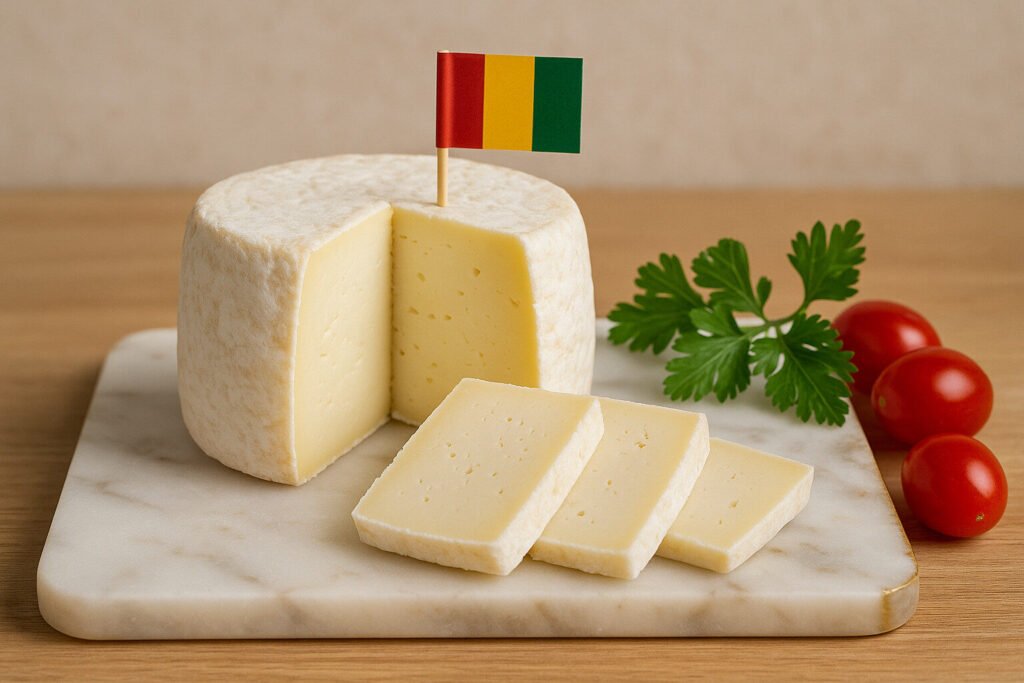
Fromage de Guinée typically forms wheels weighing about 1 kilogram with a diameter of 15 centimeters. Its interior paste displays a consistent pale yellow color, while the natural rind develops a slightly grayish hue during aging. The texture is semi-hard yet retains a pleasant creaminess that melts smoothly on the palate. This cheese has a medium moisture content, around 45% humidity, which contributes to its firm but yielding consistency.
The fat in dry matter measures approximately 48%, giving Fromage de Guinée a rich mouthfeel without excessive oiliness. Its aroma carries subtle earthy notes with hints of grass from the cows’ diet. The flavor profile balances mild saltiness with a tangy finish that lingers pleasantly. Artisanal producers often age it for two to three months to achieve optimal complexity. Fromage de Guinée maintains its shape well when sliced, making it ideal for various culinary applications.
Fromage de Guinée Varieties
Several local adaptations of Fromage de Guinée exist across Guinea’s regions. In the Fouta Djallon highlands, herders produce a version with longer aging, resulting in a firmer texture and sharper flavor. Coastal areas near Conakry often make a fresher variety with higher moisture, intended for quick consumption. These regional differences stem from variations in local cattle breeds and traditional techniques passed through generations.
Another variety incorporates smoked elements, where the cheese is lightly smoked over local wood to add a robust aroma. Some producers in Kindia experiment with adding herbs or spices during the curdling process. These innovations create unique flavor profiles while maintaining the cheese’s fundamental characteristics. Fromage de Guinée varieties reflect Guinea’s diverse microclimates and cultural practices.
History and Traditions of Fromage de Guinée
Fromage de Guinée has roots in Guinea’s colonial era when French techniques merged with local Fulani herding traditions. It emerged as a way to preserve milk in the humid tropical climate, providing a stable protein source. The cheese became integral to community celebrations, often served at weddings and harvest festivals. Guinea’s region is famous for its agricultural diversity, including rice, coffee, and tropical fruits that complement the cheese.
Production traditionally centered around family farms in the Mamou and Labé regions. Elders would teach cheese-making to younger generations, ensuring continuity of this culinary art. Stories tell of herdsmen carrying Fromage de Guinée on long journeys as a durable food supply. The cheese symbolizes resilience and adaptation in Guinea’s food culture. It pairs naturally with local palm wine, enhancing communal dining experiences.
Production Process and Producers
Fromage de Guinée uses milk from Guinea’s indigenous N’Dama cattle, known for their heat tolerance. The milk undergoes gentle pasteurization before natural rennet is added for coagulation. Workers cut the curd into small pieces and press it into molds for several hours. The cheese then brines in a salt solution for two days to develop its characteristic flavor. Aging occurs in cool, humid cellars for two to three months, with regular turning.
Main producers in Guinea include Laiterie de Conakry, Fromagerie Artisanale de Kindia, and Ferme laitière de Mamou. These establishments combine modern hygiene standards with traditional methods. They source milk from local cooperatives, supporting rural economies. The production scale ranges from small batches for local markets to larger exports. Each producer adds slight variations to the process, creating subtle differences in the final product.
Quality Labels and Certifications
As to our current knowledge, Fromage de Guinée does not hold international protected designations like PDO or PGI. However, some producers pursue local quality assurance labels through Guinea’s Ministry of Agriculture. These labels verify the use of traditional methods and local ingredients. They help consumers identify authentic Fromage de Guinée made according to regional standards.
A few artisanal makers have obtained organic certifications for their Fromage de Guinée. These certifications ensure the cheese comes from pasture-raised cattle without synthetic additives. The labels promote sustainable farming practices in Guinea’s dairy sector. While not widespread, these efforts aim to enhance the cheese’s market credibility and environmental stewardship.
Wine or Beverage Pairings
Fromage de Guinée pairs excellently with Guinea’s local palm wine, which offers a slightly sweet and effervescent contrast. Regional beverages like bissap juice, made from hibiscus, complement the cheese’s saltiness with its tart flavor. For wine lovers, a crisp Sauvignon Blanc from France highlights the creamy texture of Fromage de Guinée. Light-bodied red wines such as Beaujolais also work well without overpowering the cheese.
International pairings include Belgian-style wheat beers that cleanse the palate between bites. Sparkling water with a squeeze of lime enhances the cheese’s freshness. In Guinea, it is common to enjoy Fromage de Guinée with strong sweet tea. These beverages balance the cheese’s richness and bring out its nuanced flavors.
Suitable Fruit and Vegetables
Fromage de Guinée accompanies tropical fruits like ripe mangoes and pineapples beautifully. The sweetness of the fruit contrasts with the cheese’s savory notes. Fresh figs and dates also pair well, adding a chewy texture that complements the semi-hard cheese. Serve these fruits alongside to create a balanced cheese platter.
Vegetables such as roasted bell peppers and grilled eggplant enhance Fromage de Guinée’s earthy tones. Crisp cucumber slices provide a refreshing crunch that cuts through the richness. Olives and pickled vegetables add a tangy element that elevates the overall tasting experience. These combinations work well in salads or as standalone accompaniments.
Suitable Meat and Fish dishes
Fromage de Guinée melts wonderfully over grilled chicken or beef dishes common in Guinean cuisine. It adds a creamy layer to stews like poulet yassa, integrating seamlessly with the tangy sauce. The cheese’s firm texture holds up well in kebabs, providing a savory burst when heated. These meat pairings make Fromage de Guinée a versatile ingredient in main courses.
For fish, try grating Fromage de Guinée over baked tilapia or incorporating it into fish cakes. Its mild saltiness enhances the delicate flavor of white fish without dominating. In coastal regions, it is often used in seafood gratins alongside shrimp and lobster. These dishes showcase the cheese’s ability to complement both land and sea proteins.
Presentation of Fromage de Guinée
Present Fromage de Guinée on a wooden or slate cheese board to highlight its natural aesthetics. Remove the cheese from refrigeration at least one hour before serving to reach an ideal temperature of 18°C. This allows the flavors and aromas to fully develop. Arrange wedges or slices in a circular pattern, leaving space for accompaniments like fruits and crackers.
Use a cheese plane or sharp knife for slicing Fromage de Guinée to maintain its texture. Provide small forks or spreaders for guests to serve themselves. Ensure the cheese is the centerpiece, surrounded by complementary items. This presentation enhances the visual appeal and encourages interactive dining. Always place the cheese at room temperature to maximize its creamy consistency.
Questions and Answers about Fromage de Guinée
What is Fromage de Guinée?
Fromage de Guinée is a semi-hard cheese made from cow’s milk in Guinea. It features a pale yellow paste and a natural rind. Fromage de Guinée is known for its balanced saltiness and creamy texture.
How should I store Fromage de Guinée?
Store Fromage de Guinée in the refrigerator wrapped in wax paper or cheese paper. Keep it in the vegetable drawer to maintain humidity. Fromage de Guinée should be consumed within two weeks of purchase for best quality.
Can I freeze Fromage de Guinée?
Freezing Fromage de Guinée is not recommended as it can alter the texture. The cheese may become crumbly upon thawing. For optimal enjoyment, use Fromage de Guinée fresh or properly refrigerated.
What is the shelf life of Fromage de Guinée?
Fromage de Guinée typically lasts up to three weeks when stored correctly in the fridge. Check for any mold or off odors before use. Aged versions of Fromage de Guinée may keep slightly longer.
How do I cut Fromage de Guinée?
Use a sharp knife to slice Fromage de Guinée into wedges or cubes. Cut against the grain to preserve its structure. Fromage de Guinée holds its shape well for neat presentations.
Where can I buy Fromage de Guinée?
Fromage de Guinée is available in specialty cheese shops in Guinea and some international markets. Look for it in African grocery stores or online retailers. Fromage de Guinée may also be found in restaurants featuring West African cuisine.
Is Fromage de Guinée suitable for cooking?
Yes, Fromage de Guinée melts well and is excellent for grilling, baking, or adding to sauces. It enhances dishes with its creamy consistency. Fromage de Guinée works in both traditional and modern recipes.
What milk is used in Fromage de Guinée?
Fromage de Guinée is primarily made from pasteurized cow’s milk from local N’Dama cattle. This milk gives the cheese its distinctive flavor. Some artisanal versions of Fromage de Guinée may use raw milk.
How is Fromage de Guinée traditionally eaten?
Fromage de Guinée is often eaten with bread, fruit, or as part of a meal in Guinea. It pairs with palm wine or tea. Fromage de Guinée can be enjoyed alone or in composed dishes.
Does Fromage de Guinée have a rind?
Yes, Fromage de Guinée develops a natural rind during aging. The rind is edible and adds to the cheese’s character. Some people prefer to remove the rind from Fromage de Guinée before eating.
Recipe Ideas
Fromage de Guinée and Mango Salad
This refreshing salad combines the creamy saltiness of Fromage de Guinée with the sweet tang of ripe mangoes. It is perfect for warm days or as a light starter in a multi-course meal. The cheese adds protein, making the dish more satisfying. Fromage de Guinée holds up well when cubed and tossed with other ingredients. This recipe showcases the cheese’s versatility in cold preparations.
Originating from Guinea’s coastal regions, this salad reflects the local abundance of tropical fruits. It pairs beautifully with grilled fish or chicken for a complete dinner. The colors of the mango and cheese create an appealing visual contrast. Fromage de Guinée provides a firm texture that complements the soft fruit. This dish is quick to assemble, requiring minimal cooking time.
- 200 grams Fromage de Guinée, cubed
- 1 large ripe mango, peeled and diced
- 1 small red onion, thinly sliced
- 50 grams mixed salad greens
- 2 tablespoons olive oil
- 1 tablespoon lime juice
- Salt and pepper to taste
- In a large bowl, combine the cubed Fromage de Guinée, diced mango, and sliced red onion.
- Add the mixed salad greens and toss gently to mix.
- In a small jar, shake together the olive oil, lime juice, salt, and pepper to make the dressing.
- Drizzle the dressing over the salad and toss to coat evenly.
- Serve immediately, garnished with extra lime wedges if desired.
Grilled Fromage de Guinée Sandwich
This sandwich highlights the melting qualities of Fromage de Guinée in a hot preparation. It makes for a comforting lunch or quick dinner option. The cheese becomes gooey and rich when heated, binding the other ingredients together. Fromage de Guinée’s slight saltiness balances well with savory additions. This recipe is inspired by simple, hearty meals found in Guinean homes.
Using crusty bread ensures the sandwich holds its structure during grilling. The cheese pairs wonderfully with tomatoes and herbs for added freshness. Fromage de Guinée melts evenly without becoming oily. This dish can be customized with various fillings to suit different tastes. It is a great way to introduce the cheese to those unfamiliar with West African flavors.
- 4 slices of crusty bread
- 150 grams Fromage de Guinée, sliced
- 1 tomato, sliced
- Handful of fresh basil leaves
- 2 tablespoons butter, softened
- Butter one side of each slice of bread.
- Place the sliced Fromage de Guinée, tomato, and basil leaves between two slices of bread, buttered sides out.
- Heat a skillet over medium heat and place the sandwich in the pan.
- Grill for 3-4 minutes on each side until the bread is golden and the cheese is melted.
- Remove from heat, cut in half, and serve warm.
Similar Cheeses and Alternatives
If Fromage de Guinée is unavailable, consider trying other semi-hard cow’s milk cheeses with similar characteristics. French Tomme de Savoie shares a comparable texture and mild flavor profile, though it may be slightly firmer. Dutch Gouda offers a creamier alternative that melts well in cooked dishes. These cheeses can substitute in recipes calling for Fromage de Guinée without major adjustments.
Within West Africa, Nioro du Sahel from Mali provides a similar artisanal experience with local adaptations. Its aging process and milk source create parallels to Fromage de Guinée. For a more accessible option, young Cheddar can mimic the saltiness and meltability. Always adjust seasoning when substituting to account for flavor differences. These alternatives help maintain the intended dish integrity when Fromage de Guinée is not on hand.