
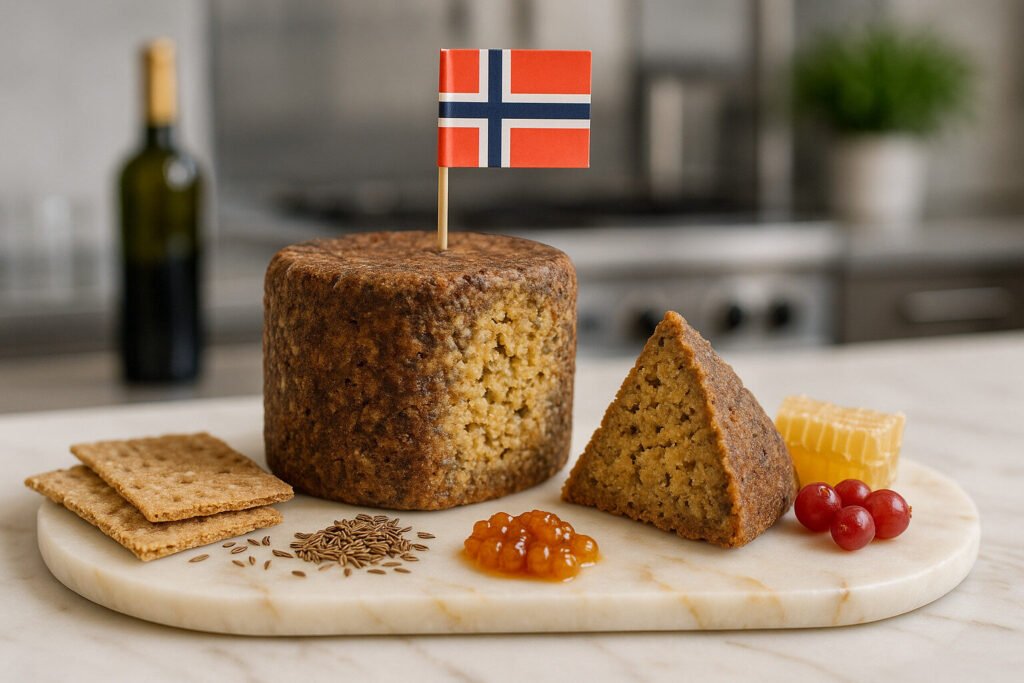
Gamalost is a traditional Norwegian cheese known for its intense flavor and historical roots. This skimmed cow’s milk cheese boasts a firm texture and a pungent aroma. Chefs and gourmets appreciate its unique character and cultural significance.
In this article
Distinctive Features of Gamalost
Gamalost typically forms into wheels weighing about 1 to 2 kilograms. Its rind develops a natural, sometimes moldy appearance with a pale yellow to brownish hue. The interior reveals a firm, crumbly texture that breaks apart easily.
This cheese has low humidity, contributing to its dense consistency. Gamalost contains minimal fat, often around 10 to 20 percent fat in dry matter. Its strong, spicy flavor profile makes it a memorable tasting experience.
Gamalost Cheese Varieties
Traditional Gamalost maintains a consistent recipe across Norway. Some producers offer variations in aging time, which can range from four to eight weeks. Longer aging intensifies the cheese’s pungency and crumbliness.
Artisanal versions might use raw milk for a more robust taste. However, most commercial Gamalost follows strict skimmed milk guidelines. These adaptations preserve the cheese’s heritage while allowing slight nuances.
History and Traditions of Gamalost
Gamalost originated in Norway’s Gudbrandsdal valley centuries ago. Farmers created it as a durable food source for long winters. The cheese’s name means “old cheese,” reflecting its lengthy aging process.
Norwegian traditions often feature Gamalost during festive meals and gatherings. It symbolizes resourcefulness and culinary heritage. The region is also famous for its cured meats and aquavit production.
Production Process and Producers of Gamalost
Gamalost production starts with skimmed cow’s milk from local farms. Cheesemakers heat the milk and add rennet to form curds. They then press the curds into molds and salt them before aging.
The cheese ripens in humid cellars for four to eight weeks. During this time, natural molds develop on the rind. Main producers include Tine SA, Norway’s largest dairy cooperative, and smaller artisanal dairies in regions like Oppland and Sogn og Fjordane.
Quality Labels and Certifications for Gamalost
As to our current knowledge, Gamalost holds a Protected Designation of Origin (PDO) status in the European Union. This certification ensures it is produced in specific Norwegian regions using traditional methods. The PDO label guarantees authenticity and quality for consumers.
Additionally, some producers may adhere to organic certifications. These labels promote sustainable farming and animal welfare. They align with Norway’s strong environmental standards in agriculture.
Wine or Beverage Pairings with Gamalost
Gamalost pairs excellently with Norwegian beers like dark lagers or farmhouse ales. The beer’s carbonation cuts through the cheese’s richness. Aquavit, a traditional Scandinavian spirit, also complements its spicy notes.
For wine lovers, full-bodied reds such as Syrah or aged Rioja work well. Their tannins balance Gamalost’s intensity. Alternatively, crisp apple cider provides a refreshing contrast.
Suitable Fruit and Vegetables for Gamalost
Fresh apples and pears enhance Gamalost’s flavor with their sweetness. Their crisp texture contrasts the cheese’s crumbliness. Root vegetables like carrots and beets can be roasted and served alongside.
Pickled vegetables such as cucumbers or onions add a tangy element. They cleanse the palate between bites. Leafy greens like arugula provide a peppery note that pairs nicely.
Suitable Meat and Fish Dishes with Gamalost
Gamalost complements cured meats like spekeskinke or fenalår. These Norwegian specialties share a savory depth. The cheese can be grated over hearty stews for added flavor.
For fish dishes, try it with smoked salmon or trout. The cheese’s pungency stands up to smoky flavors. It also works well in sauces for baked white fish.
Presentation of Gamalost
Serve Gamalost at room temperature, about 18 to 20 degrees Celsius. Remove it from the refrigerator one hour before serving. This allows the flavors to fully develop.
Present it on a wooden board or slate plate for a rustic look. Arrange slices or chunks with accompaniments like flatbread and fruit. Use a cheese knife for cutting and small forks for eating.
Questions and Answers about Gamalost
How should I store Gamalost cheese?
Store Gamalost cheese in the refrigerator wrapped in wax paper or cheese paper. Keep it in the vegetable drawer to maintain humidity. Proper storage extends its shelf life to several weeks.
What is the shelf life of Gamalost cheese?
Gamalost cheese typically lasts for four to six weeks when stored correctly. Check for mold growth or off odors as indicators of spoilage. Always follow the use-by date on the packaging.
How do I cut Gamalost cheese properly?
Cut Gamalost cheese with a sharp knife to avoid crumbling. Slice it into thin wedges or small cubes. This method preserves its texture and makes serving easier.
Where can I buy Gamalost cheese?
Buy Gamalost cheese in specialty cheese shops or online retailers. It is available in Norway and some international markets. Look for the PDO label to ensure authenticity.
Can I freeze Gamalost cheese?
Freezing Gamalost cheese is not recommended as it alters the texture. The cheese may become crumbly and lose flavor. It is best consumed fresh or refrigerated.
What dishes can I make with Gamalost cheese?
Use Gamalost cheese in traditional Norwegian recipes like flatbread toppings or sauces. It adds a robust flavor to soups and gratins. Experiment with it in modern fusion dishes.
Is Gamalost cheese suitable for vegetarians?
Gamalost cheese uses animal rennet, so it may not be vegetarian-friendly. Check the label for specific ingredients. Some producers might offer vegetarian alternatives.
How does Gamalost cheese compare to blue cheese?
Gamalost cheese shares a strong flavor with blue cheese but lacks blue mold. It has a firmer texture and is made from skimmed milk. Both cheeses pair well with hearty beverages.
What is the fat content of Gamalost cheese?
Gamalost cheese has low fat content, around 10 to 20 percent fat in dry matter. This makes it a leaner option compared to many other cheeses. Its flavor comes from aging and fermentation.
What is Gamalost cheese made from?
Gamalost cheese is made from skimmed cow’s milk. The milk undergoes curdling and pressing before aging. Traditional methods give it a distinctive taste and texture.
Recipe Ideas for Gamalost
Gamalost and Rye Flatbread Bites
This recipe highlights Gamalost’s robust flavor in a simple appetizer. It combines traditional Norwegian elements for an authentic taste. The crisp flatbread contrasts with the cheese’s crumbliness.
You can prepare these bites in under 15 minutes. They are perfect for parties or quick snacks. The ingredients are easy to find in most supermarkets.
- 200 grams Gamalost cheese, crumbled
- 4 slices of rye flatbread
- 1 apple, thinly sliced
- 50 grams cured ham, optional
- Fresh thyme for garnish
- Preheat your oven to 180 degrees Celsius.
- Arrange the rye flatbread on a baking sheet.
- Top each slice with crumbled Gamalost cheese.
- Add apple slices and ham if using.
- Bake for 5-7 minutes until the cheese softens.
- Garnish with fresh thyme and serve warm.
Gamalost Cream Sauce for Meatballs
This sauce adds depth to classic Norwegian meatballs. Gamalost melts smoothly into a creamy texture. It enhances the dish with its spicy undertones.
Serve it over mashed potatoes or egg noodles. The recipe takes about 20 minutes to complete. It is a comforting meal for cold evenings.
- 150 grams Gamalost cheese, grated
- 200 milliliters heavy cream
- 1 tablespoon butter
- 500 grams cooked meatballs
- Salt and pepper to taste
- Fresh parsley, chopped
- Melt butter in a saucepan over medium heat.
- Add the grated Gamalost and stir until it begins to melt.
- Pour in the heavy cream and whisk continuously.
- Simmer for 5 minutes until the sauce thickens.
- Add the cooked meatballs and heat through.
- Season with salt, pepper, and garnish with parsley before serving.
Similar Cheeses and Alternatives to Gamalost
Gamalost shares similarities with other aged, low-fat cheeses like Swedish Västerviksost. Both have a firm texture and strong flavor profile. However, Västerviksost uses different milk and aging techniques.
For those seeking alternatives, consider Danish Danbo or Dutch Leyden. These cheeses offer comparable crumbliness and spice. They can be used in recipes calling for Gamalost with slight adjustments.