
In this article
Distinctive Features of Guyanese Coconut Cheese
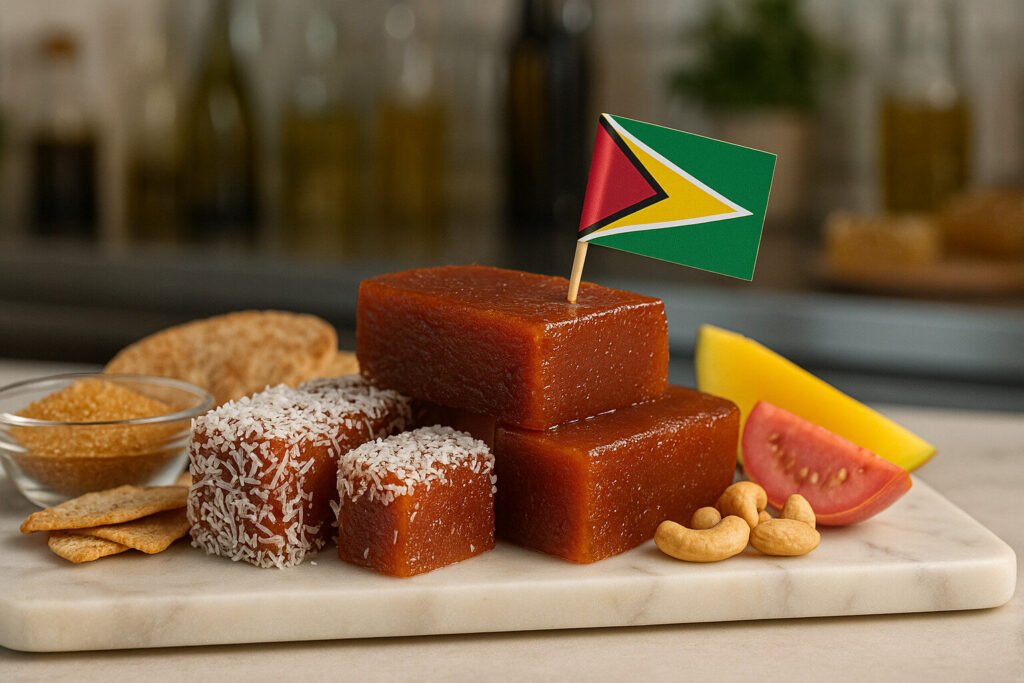
Guyanese Coconut Cheese typically forms small, round wheels weighing about 200 to 500 grams. The exterior often appears pale white to light yellow, with a slightly crumbly yet moist surface. This cheese incorporates finely grated coconut, which adds a subtle sweetness and speckled texture throughout.
The interior texture is soft and spreadable, with a consistency similar to fresh farmer’s cheese. It maintains a high humidity level, around 50-60%, which keeps it creamy and prevents dryness. Flavors balance mild saltiness with the natural sweetness of coconut, creating a refreshing taste profile.
Guyanese Coconut Cheese Varieties
One common variety is fresh Guyanese Coconut Cheese, consumed within days of production. This type has a high moisture content and a very soft, almost creamy texture. It pairs excellently with fruits or as a topping for breads and crackers.
Aged Guyanese Coconut Cheese undergoes a short curing period of one to two weeks. This version develops a firmer texture and a more pronounced coconut flavor. Some producers add spices like black pepper or chili for a savory twist.
History and Traditions of Guyanese Coconut Cheese
Guyanese Coconut Cheese originated in rural Guyana as a way to preserve milk and utilize abundant coconuts. Local families developed it using traditional methods passed down through generations. This cheese became a staple in household kitchens and community gatherings.
The region of Guyana is famous for its diverse food culture, influenced by African, Indian, and Indigenous traditions. Guyana also produces renowned beverages like Demerara rum and mauby drink. Guyanese Coconut Cheese often features in festive events such as Christmas and Diwali, symbolizing hospitality and resourcefulness.
Production Process and Producers
Guyanese Coconut Cheese uses fresh cow’s milk sourced from local Guyanese farms. Producers heat the milk to about 30°C and add rennet or acidic agents like lime juice to coagulate it. They then mix in grated coconut before draining the whey and pressing the curds into molds.
The cheese ripens for a brief period, usually one to seven days, in a cool, humid environment. Main producers in Guyana include Artisan Dairy Co-op, Georgetown Creameries, and Savannah Farms. These producers emphasize small-batch methods to maintain quality and authenticity.
Quality Labels and Certifications
As to our current knowledge, Guyanese Coconut Cheese may carry the Guyana National Bureau of Standards (GNBS) mark. This certification ensures the cheese meets specific safety and quality benchmarks for local consumption. It verifies ingredients and production hygiene.
Some producers also pursue organic certifications if they use pesticide-free coconuts and pasture-raised cow’s milk. These labels highlight sustainable farming practices. However, Guyanese Coconut Cheese does not currently hold protected geographical indication status.
Wine or Beverage Pairings
Local Guyanese beverages like Banks Beer or El Dorado rum complement Guyanese Coconut Cheese well. The light bitterness of the beer contrasts with the cheese’s sweetness. Rum enhances the tropical notes with its caramel undertones.
Internationally, crisp white wines such as Sauvignon Blanc or Riesling pair nicely with Guyanese Coconut Cheese. These wines offer acidity that cuts through the cheese’s richness. Non-alcoholic options include coconut water or ginger beer for a refreshing match.
Suitable Fruit and Vegetables
Guyanese Coconut Cheese pairs excellently with tropical fruits like mango, pineapple, and papaya. The juicy sweetness of these fruits balances the cheese’s mild saltiness. They also add vibrant color and texture to cheese plates.
Vegetables such as sliced cucumbers, bell peppers, and cherry tomatoes provide a crunchy contrast. These veggies offer a fresh, clean taste that highlights the cheese’s creaminess. Grilled plantains or baked sweet potatoes also make delightful accompaniments.
Suitable Meat and Fish Dishes
Guyanese Coconut Cheese enhances grilled chicken or fish dishes common in Caribbean cuisine. It can be crumbled over curried shrimp or baked snapper for added richness. The cheese melts smoothly into sauces, infusing them with coconut flavor.
For meat dishes, try incorporating Guyanese Coconut Cheese into beef patties or lamb stews. It adds moisture and a unique twist to traditional recipes. The cheese also works well in stuffed peppers or as a topping for barbecue meats.
Presentation of Guyanese Coconut Cheese
Serve Guyanese Coconut Cheese at room temperature, about 18-20°C, for optimal flavor. Remove it from the refrigerator 30 minutes before serving to allow it to soften. Present it on a wooden or ceramic plate to showcase its natural appearance.
Arrange the cheese in wedges or slices alongside fruits, nuts, and crackers. Use a cheese knife for cutting and a small spatula for spreading. Provide separate utensils for guests to avoid cross-contamination with other foods.
Questions and Answers About Guyanese Coconut Cheese
What is Guyanese Coconut Cheese?
Guyanese Coconut Cheese is a fresh cheese from Guyana made with cow’s milk and grated coconut. It has a soft texture and a sweet, creamy flavor. This cheese is a popular ingredient in many Caribbean dishes.
How should I store Guyanese Coconut Cheese?
Store Guyanese Coconut Cheese in an airtight container in the refrigerator at 4°C. It stays fresh for up to one week. Always keep it away from strong odors to preserve its delicate taste.
Can I freeze Guyanese Coconut Cheese?
Freezing Guyanese Coconut Cheese is not recommended as it can alter the texture. The high moisture content may cause it to become grainy upon thawing. For best quality, consume it fresh within a few days.
Where can I buy Guyanese Coconut Cheese?
You can buy Guyanese Coconut Cheese in specialty Caribbean markets or online stores. In Guyana, it is available at local dairies and supermarkets. Some international gourmet shops may also stock it.
What is the shelf life of Guyanese Coconut Cheese?
The shelf life of Guyanese Coconut Cheese is typically 5 to 7 days when refrigerated. Always check the production date and consume it quickly. Discard if you notice any off smells or mold.
How do I cut Guyanese Coconut Cheese?
Use a sharp knife to cut Guyanese Coconut Cheese into wedges or cubes. The soft texture requires a gentle slicing motion. For spreading, a butter knife works well without crushing the cheese.
Can I use Guyanese Coconut Cheese in cooking?
Yes, Guyanese Coconut Cheese is versatile and great for cooking. It melts smoothly in sauces, gratins, or stuffed pastries. Its sweet profile also complements desserts and baked goods.
Is Guyanese Coconut Cheese suitable for vegetarians?
Guyanese Coconut Cheese often uses vegetable rennet, making it suitable for vegetarians. Always verify the ingredients with the producer. Some artisanal versions may use animal rennet.
What milk type is used in Guyanese Coconut Cheese?
Guyanese Coconut Cheese primarily uses fresh cow’s milk from local breeds. The milk has a fat content of about 3.5-4%. Coconut is added during the curdling process for flavor and texture.
How does Guyanese Coconut Cheese differ from other cheeses?
Guyanese Coconut Cheese stands out due to its incorporation of grated coconut. It has a shorter aging time compared to hard cheeses. The result is a uniquely tropical and creamy product distinct from European styles.
Recipe Ideas
Guyanese Coconut Cheese and Mango Salad
This refreshing salad highlights the tropical flavors of Guyanese Coconut Cheese. It combines sweet mangoes with the creamy cheese for a light appetizer or side dish. The recipe is quick to prepare and uses fresh, vibrant ingredients common in Guyana.
Guyanese Coconut Cheese adds a rich texture that balances the acidity of lime dressing. You can serve it chilled on a hot day for maximum refreshment. This dish showcases the cheese’s versatility beyond traditional uses.
Ingredients
- 200 grams Guyanese Coconut Cheese, crumbled
- 1 ripe mango, peeled and diced
- 1 small red onion, thinly sliced
- 1 lime, juiced
- 2 tablespoons fresh cilantro, chopped
- Salt and pepper to taste
- Mixed salad greens (about 100 grams)
Method
- In a large bowl, combine the salad greens, diced mango, and sliced red onion.
- Sprinkle the crumbled Guyanese Coconut Cheese over the salad mixture.
- Drizzle lime juice evenly and toss gently to coat all ingredients.
- Season with salt and pepper, then garnish with fresh cilantro.
- Serve immediately for the best texture and flavor.
Guyanese Coconut Cheese Stuffed Plantains
This savory dish features ripe plantains stuffed with Guyanese Coconut Cheese. It makes a hearty main course or side for Caribbean-inspired meals. The cheese melts beautifully inside the plantains, creating a creamy filling.
Guyanese Coconut Cheese complements the natural sweetness of the plantains. Baking enhances the flavors without overpowering the delicate cheese. This recipe is popular in Guyana for family dinners and special occasions.
Ingredients
- 2 ripe plantains
- 150 grams Guyanese Coconut Cheese, sliced
- 1 tablespoon olive oil
- 1 teaspoon ground cinnamon
- 50 grams breadcrumbs
- Fresh thyme for garnish
Method
- Preheat the oven to 180°C and grease a baking dish with olive oil.
- Peel the plantains and slice them lengthwise, but not all the way through, to create a pocket.
- Stuff each plantain with slices of Guyanese Coconut Cheese.
- Sprinkle with cinnamon and breadcrumbs, then drizzle with olive oil.
- Bake for 20-25 minutes until plantains are tender and cheese is melted.
- Garnish with fresh thyme before serving hot.
Similar Cheeses and Alternatives
Guyanese Coconut Cheese shares similarities with other Caribbean cheeses like Jamaican Coconut Cheese or Trinidadian Curds. These cheeses also incorporate coconut and have a fresh, moist texture. They offer a comparable tropical flavor profile for those seeking alternatives.
For a non-Caribbean option, Italian Ricotta with added desiccated coconut can mimic the creaminess. However, it lacks the traditional Guyanese preparation methods. French Fromage Blanc with coconut flakes provides a lighter, tangier alternative to Guyanese Coconut Cheese.