
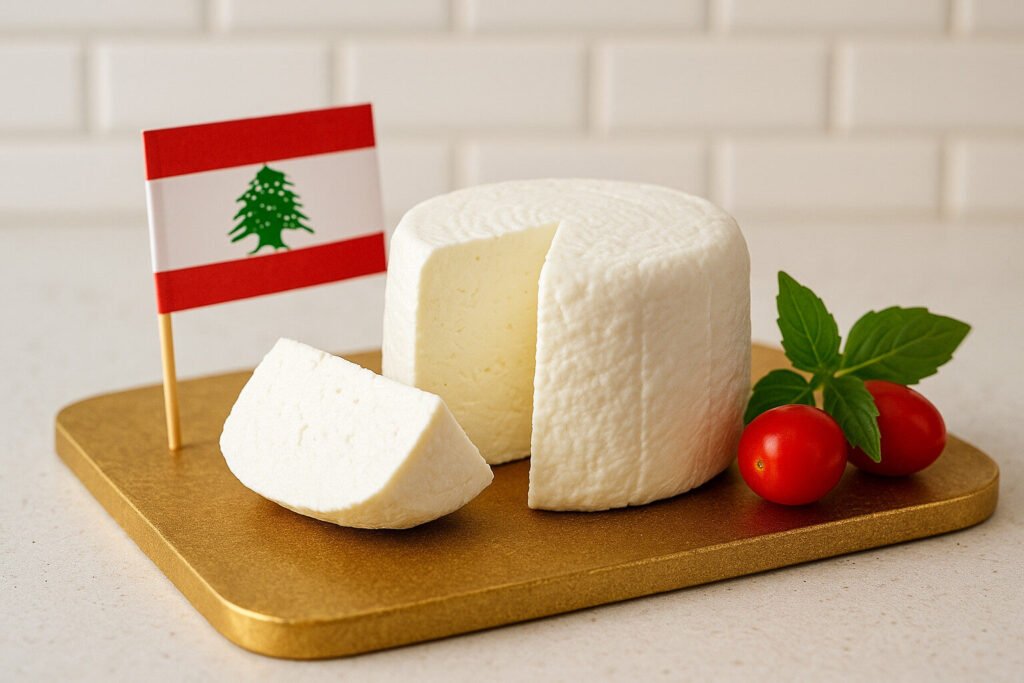
Jibneh Arabieh is a beloved semi-soft white cheese from Lebanon, celebrated for its mild, salty flavor and versatile use in both fresh and cooked dishes. This brined cheese holds a central place in Lebanese mezze and everyday meals, offering a delicate texture that enhances salads, pastries, and grilled foods. Its simplicity and adaptability make Jibneh Arabieh a favorite among chefs and home cooks seeking authentic Levantine flavors.
In this article
Distinctive Features of Jibneh Arabieh
Jibneh Arabieh typically comes in small blocks or balls weighing between 200 and 500 grams. Its pure white color and smooth, rindless surface give it a fresh, inviting appearance. The cheese has a semi-soft, elastic texture that springs back gently when pressed.
High humidity from brining keeps Jibneh Arabieh moist and pliable. It contains about 45% fat in dry matter, contributing to its rich mouthfeel. The consistency is firm enough for slicing yet soft enough for crumbling into dishes.
Cheese Varieties of Jibneh Arabieh
Some producers in Lebanon offer Jibneh Arabieh with reduced salt for health-conscious consumers. Others shape it into braids or rolls for festive occasions. These variations maintain the core characteristics of mild flavor and brined preservation.
Regional adaptations include adding black cumin or thyme to the brine for aromatic notes. In coastal areas, Jibneh Arabieh might be smoked lightly over wood chips. These local twists reflect Lebanon’s diverse culinary landscape.
History and Traditions of Jibneh Arabieh
Jibneh Arabieh has deep roots in Levantine dairy traditions, dating back centuries in Lebanon. Bedouin and rural communities developed it as a way to preserve milk in the warm climate. The cheese became integral to daily nutrition and social gatherings.
Lebanon’s Bekaa Valley, known for its fertile pastures, is a key region for Jibneh Arabieh production. This area also produces famous wines like Château Musar and distilled arak. Families often serve Jibneh Arabieh during Easter and Ramadan, symbolizing hospitality and abundance.
Production Process and Producers
Jibneh Arabieh starts with pasteurized cow’s milk, though some artisanal versions use raw milk. Producers heat the milk to 32 degrees Celsius and add animal rennet to form curds. The curds are cut, drained, and pressed into molds before brining in saltwater for 24 to 48 hours.
Ripening is brief, usually just a few days, resulting in a fresh cheese ready for consumption. Main producers in Lebanon include dairies in Zahle, Al-Minya, and Tripoli, such as Al Rifai, Ksara, and Baladi. These producers uphold traditional methods while meeting modern hygiene standards.
Quality Labels and Certifications
As to our current knowledge, Jibneh Arabieh does not hold a Protected Designation of Origin (PDO) or Protected Geographical Indication (PGI). However, many Lebanese dairies adhere to national food safety regulations and organic farming practices. Some smaller producers pursue artisanal labels to emphasize handcrafted quality.
Organic certifications are increasingly common, ensuring milk from pasture-raised cows without synthetic additives. Sustainability labels are rare, but fair trade principles sometimes guide local cooperatives. Consumers can look for verification stamps from the Lebanese Standards Institution for assured quality.
Wine or Beverage Pairings
Jibneh Arabieh pairs beautifully with Lebanese white wines like Sauvignon Blanc from the Bekaa Valley. The wine’s crisp acidity cuts through the cheese’s saltiness. Light, citrusy notes complement the mild dairy flavors.
Regional arak, an anise-flavored spirit, enhances Jibneh Arabieh when diluted with water. Its licorice taste contrasts with the cheese’s creaminess. For non-alcoholic options, try fresh pomegranate juice or mint tea, both staples in Lebanese cuisine.
Suitable Fruit and Vegetables
Fresh figs and grapes balance Jibneh Arabieh’s saltiness with natural sweetness. Their juicy texture contrasts with the cheese’s firmness. Serve them together on a platter for a refreshing appetizer.
Tomatoes, cucumbers, and black olives are classic accompaniments in Lebanese mezze. The vegetables’ crunch and acidity highlight the cheese’s mild profile. Add fresh mint leaves for an aromatic touch.
Suitable Meat and Fish dishes
Jibneh Arabieh works well in kebabs, melted over grilled lamb or chicken. Its elasticity allows it to hold shape during cooking. The cheese adds a creamy layer to spiced meat dishes.
Flaky white fish like sea bass benefit from Jibneh Arabieh stuffing or topping. Bake the cheese with herbs until golden for a crispy crust. It also enhances seafood pies and pastries common in coastal Lebanese recipes.
Presentation of Jibneh Arabieh
Remove Jibneh Arabieh from the refrigerator 30 minutes before serving to reach room temperature. This enhances its flavor and texture. Use a wooden or marble cheese board for an authentic presentation.
Arrange Jibneh Arabieh in slices or cubes alongside olives, herbs, and flatbread. Provide a cheese knife for easy cutting. For eating, small forks or toothpicks work well to pick up pieces without mess.
Questions and Answers about Jibneh Arabieh
What is Jibneh Arabieh?
Jibneh Arabieh is a semi-soft, brined white cheese from Lebanon. It is known for its mild, salty taste and elastic texture. Jibneh Arabieh is often used fresh in salads or cooked in traditional dishes.
How should I store Jibneh Arabieh?
Store Jibneh Arabieh in its brine in an airtight container in the refrigerator. This keeps it moist and prevents drying out. Jibneh Arabieh typically lasts up to two weeks when properly stored.
Can I freeze Jibneh Arabieh?
Freezing Jibneh Arabieh is not recommended as it alters the texture and makes it crumbly. It is best enjoyed fresh or refrigerated. Thawed Jibneh Arabieh may lose its characteristic elasticity.
How do I cut Jibneh Arabieh for serving?
Cut Jibneh Arabieh into thin slices or small cubes using a sharp knife. This makes it easy to eat with bread or in mezze. For cooking, grate or crumble Jibneh Arabieh as needed.
Where can I buy Jibneh Arabieh?
Buy Jibneh Arabieh at Middle Eastern grocery stores, specialty cheese shops, or online retailers. In Lebanon, it is widely available in local markets and supermarkets. Look for fresh, well-brined Jibneh Arabieh.
What is the shelf life of Jibneh Arabieh?
The shelf life of Jibneh Arabieh is about 10 to 14 days when refrigerated in brine. Always check for off smells or mold before use. Consume Jibneh Arabieh quickly for the best quality.
Can I use Jibneh Arabieh in baking?
Yes, Jibneh Arabieh melts well and is excellent in pastries like fatayer or mana’eesh. Its saltiness enhances savory baked goods. Avoid overheating to maintain its texture in Jibneh Arabieh dishes.
Is Jibneh Arabieh suitable for vegetarians?
Jibneh Arabieh is often made with animal rennet, so it may not be vegetarian. Check labels for microbial rennet versions if needed. Many producers now offer vegetarian-friendly Jibneh Arabieh.
How does Jibneh Arabieh compare to feta?
Jibneh Arabieh is less tangy and saltier than feta, with a more elastic texture. It holds shape better when heated. Both are brined cheeses, but Jibneh Arabieh is distinct in its Lebanese origin.
What dishes commonly feature Jibneh Arabieh?
Jibneh Arabieh appears in salads, sandwiches, and grilled dishes across Lebanon. It is a key ingredient in cheese rolls and stuffed vegetables. Traditional recipes like sfiha often include Jibneh Arabieh.
Recipe Ideas
Jibneh Arabieh Fatayer
Jibneh Arabieh Fatayer are savory pastries popular in Lebanese breakfasts and snacks. The cheese’s melt-in-the-mouth quality pairs perfectly with flaky dough. These pastries are easy to make and showcase Jibneh Arabieh’s versatility.
Families often prepare Jibneh Arabieh Fatayer for gatherings or as a quick meal. The recipe requires simple ingredients and basic baking skills. Serve them warm with a side of yogurt for a complete experience.
- 250 grams Jibneh Arabieh, crumbled
- 500 grams all-purpose flour
- 7 grams active dry yeast
- 120 milliliters warm water
- 60 milliliters olive oil
- 1 teaspoon sugar
- 1 teaspoon salt
- 1 egg, beaten for glaze
- Dissolve yeast and sugar in warm water; let it foam for 10 minutes.
- Mix flour and salt in a bowl; add yeast mixture and olive oil to form a dough.
- Knead dough for 8 minutes until smooth; cover and rise for 1 hour.
- Preheat oven to 180 degrees Celsius; roll dough into small circles.
- Place crumbled Jibneh Arabieh in the center of each circle; fold and seal edges.
- Brush with beaten egg; bake for 20 minutes until golden brown.
Grilled Jibneh Arabieh Salad
Grilled Jibneh Arabieh Salad adds a smoky twist to fresh vegetables. The cheese firms up when grilled, creating a delightful contrast with crisp greens. This dish is ideal for summer meals or light lunches.
Lebanese cuisine often features grilled cheeses in salads for added depth. Jibneh Arabieh holds its shape well under heat, making it perfect for this recipe. Drizzle with lemon dressing to enhance the flavors.
- 200 grams Jibneh Arabieh, sliced into 1-centimeter thick pieces
- 2 large tomatoes, chopped
- 1 cucumber, diced
- 1 red onion, thinly sliced
- 50 grams fresh mint leaves
- 60 milliliters olive oil
- 30 milliliters lemon juice
- Salt and pepper to taste
- Heat a grill pan over medium-high heat; brush Jibneh Arabieh slices with olive oil.
- Grill cheese for 2 minutes per side until grill marks appear.
- Combine tomatoes, cucumber, onion, and mint in a large bowl.
- Whisk remaining olive oil, lemon juice, salt, and pepper for dressing.
- Add grilled Jibneh Arabieh to the salad; toss gently with dressing.
- Serve immediately while the cheese is warm and slightly crispy.
Similar Cheeses and Alternatives
Akkawi cheese from Palestine and Syria shares Jibneh Arabieh’s brined, semi-soft characteristics. It is similarly mild but often less salty, making it a good substitute in salads. Halloumi from Cyprus offers a firmer texture and excellent grilling properties, though it has a more pronounced saltiness. Nabulsi cheese, another Levantine variety, is typically sweeter and used in desserts, but it can replace Jibneh Arabieh in cooked dishes. Feta cheese from Greece provides a tangier alternative, ideal for those who prefer a sharper flavor profile. These cheeses all reflect the rich dairy traditions of the Eastern Mediterranean region.