
In this article
Kiri Hodhi Distinctive Features
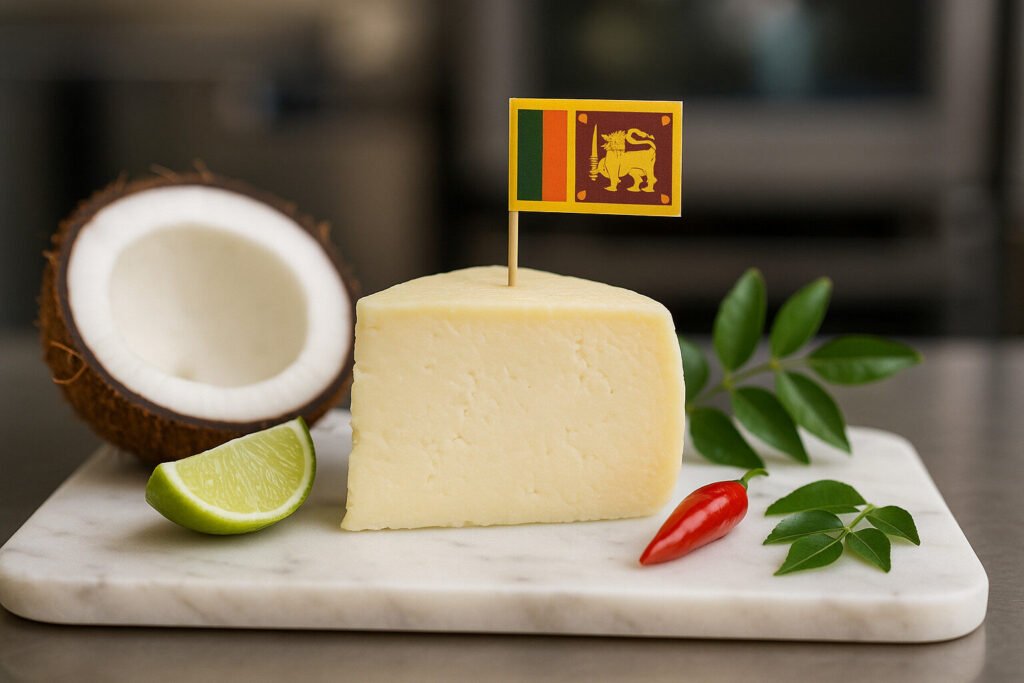
Kiri Hodhi typically comes in small, hand-pressed blocks weighing around 200 to 500 grams. It has a pure white color and a moist, crumbly texture that feels soft to the touch. The cheese maintains a high humidity level, which contributes to its fresh and creamy consistency.
This cheese lacks a rind and has a mild, slightly tangy flavor profile. It contains about 45% fat in dry matter, giving it a rich mouthfeel without being overly heavy. Kiri Hodhi’s simplicity makes it an excellent base for various culinary applications, from salads to cooked dishes.
Kiri Hodhi Cheese Varieties
Traditional Kiri Hodhi remains the most common variety, made solely from fresh cow’s milk. Some producers add local herbs like curry leaves or pandan for a subtle aromatic twist. These herbal versions are popular in upcountry regions where such ingredients are abundant.
Another variety includes smoked Kiri Hodhi, where the cheese is lightly smoked over coconut husks to impart a unique flavor. This smoked version has a firmer texture and a golden hue on the surface. It is often enjoyed as a standalone snack or grated over rice dishes.
Kiri Hodhi History and Traditions
Kiri Hodhi originated in the rural villages of Sri Lanka, where dairy farming has been a part of agricultural life for centuries. It was developed as a way to preserve milk without refrigeration, using simple curdling techniques passed down through generations. The cheese became integral to Sri Lankan cuisine, often featured in festive meals and daily comfort foods.
The Central Province of Sri Lanka, known for its tea plantations and cool climate, is a key region for Kiri Hodhi production. This area is also famous for its spicy curries and tropical fruits, which pair beautifully with the cheese. Traditional stories tell of families preparing Kiri Hodhi during Sinhalese New Year celebrations, symbolizing prosperity and purity.
Production Process and Producers
Kiri Hodhi is made from fresh, full-fat cow’s milk sourced from local Sri Lankan farms. The milk is gently heated and curdled using natural acids like lemon juice or vinegar, then drained and pressed into molds. This process takes about 24 hours, resulting in a cheese that is ready to eat immediately without aging.
Major producers of Kiri Hodhi in Sri Lanka include Lakshmi Dairy, Colombo Creameries, and Hill Country Farms. These producers emphasize traditional methods, ensuring the cheese retains its authentic character. They supply Kiri Hodhi to local markets and specialty stores across the island.
Quality Labels and Certifications
As to our current knowledge, Kiri Hodhi does not hold any protected geographical indications or organic certifications. However, some producers may use local quality assurance labels to denote artisanal methods and freshness. These labels help consumers identify cheeses made with high standards of hygiene and traditional techniques.
Sri Lanka’s food safety authorities occasionally issue verification stamps for dairy products, including Kiri Hodhi. These stamps ensure that the cheese meets basic health and safety regulations. Consumers are advised to look for these marks when purchasing to guarantee quality.
Wine or Beverage Pairings
Kiri Hodhi pairs excellently with light, crisp white wines such as Sauvignon Blanc or Pinot Grigio. These wines complement the cheese’s mild acidity and creamy texture without overpowering it. For a local twist, try it with Ceylon arrack, a Sri Lankan spirit that enhances the cheese’s subtle flavors.
Non-alcoholic options include fresh coconut water or iced Ceylon tea, both of which refresh the palate. The tea’s slight astringency cuts through the richness of Kiri Hodhi. These beverages are widely available in Sri Lanka and make for an authentic tasting experience.
Suitable Fruit and Vegetables
Kiri Hodhi goes well with tropical fruits like mango, pineapple, and papaya. These fruits add a sweet and tangy contrast to the cheese’s mildness. They also provide a burst of color and freshness when served together in salads or platters.
Vegetables such as cucumber, bell peppers, and cherry tomatoes are ideal companions. Their crunch and juiciness balance the soft texture of Kiri Hodhi. Lightly grilled or raw, these vegetables enhance the cheese’s versatility in both cold and warm dishes.
Suitable Meat and Fish dishes
Kiri Hodhi can be crumbled over chicken or fish curries to add a creamy element. It melts gently into hot dishes, enriching sauces without dominating the flavor. This makes it a popular addition to Sri Lankan seafood preparations like ambul thiyal (sour fish curry).
For meat dishes, try incorporating Kiri Hodhi into lamb or beef stir-fries. The cheese absorbs spices well, complementing the savory notes of the meat. It also works as a stuffing for grilled kebabs, adding moisture and a subtle dairy taste.
Kiri Hodhi Presentation
Serve Kiri Hodhi at room temperature, about 20°C, to allow its flavors to fully develop. Remove it from the refrigerator 30 minutes before serving. This ensures the cheese is soft and easy to slice or crumble.
Present Kiri Hodhi on a wooden or ceramic plate to highlight its rustic appeal. Arrange it with accompaniments like crackers, fruits, and chutneys for a balanced platter. Use a cheese knife for cutting and small forks for eating to maintain elegance.
Kiri Hodhi Questions and Answers
What is Kiri Hodhi cheese?
Kiri Hodhi cheese is a fresh, soft cheese from Sri Lanka made from cow’s milk. It has a mild flavor and crumbly texture, often used in traditional dishes. Kiri Hodhi cheese is known for its versatility and simplicity.
How should I store Kiri Hodhi cheese?
Store Kiri Hodhi cheese in the refrigerator at 4°C to maintain freshness. Keep it wrapped in parchment paper or in an airtight container. Kiri Hodhi cheese should be consumed within a week for best quality.
Can I freeze Kiri Hodhi cheese?
Freezing Kiri Hodhi cheese is not recommended as it can alter its texture. The cheese may become watery and lose its crumbly consistency upon thawing. It is best to enjoy Kiri Hodhi cheese fresh.
How do I cut Kiri Hodhi cheese?
Cut Kiri Hodhi cheese with a sharp knife into cubes or slices, depending on the dish. For salads, crumble it gently with your fingers. Kiri Hodhi cheese is soft enough to handle without special tools.
Where can I buy Kiri Hodhi cheese?
You can buy Kiri Hodhi cheese in Sri Lankan supermarkets, local dairy shops, or online specialty stores. Look for reputable brands to ensure authenticity. Kiri Hodhi cheese is increasingly available in international markets.
What is the shelf life of Kiri Hodhi cheese?
The shelf life of Kiri Hodhi cheese is about 5 to 7 days when refrigerated properly. Always check the production date on the packaging. Kiri Hodhi cheese does not contain preservatives, so consume it promptly.
How is Kiri Hodhi cheese used in cooking?
Kiri Hodhi cheese is used in curries, salads, and as a topping for various dishes. It melts well and adds creaminess to sauces. Kiri Hodhi cheese can also be pan-fried for a crispy exterior.
Is Kiri Hodhi cheese suitable for vegetarians?
Yes, Kiri Hodhi cheese is suitable for vegetarians as it is made with vegetable-based curdling agents. It contains no animal rennet. Kiri Hodhi cheese is a popular choice in vegetarian Sri Lankan cuisine.
What milk type is used in Kiri Hodhi cheese?
Kiri Hodhi cheese is primarily made from cow’s milk, which gives it a mild and creamy profile. Some varieties may use buffalo or goat milk for variation. Kiri Hodhi cheese maintains a consistent quality across producers.
Can I eat Kiri Hodhi cheese if I am lactose intolerant?
Kiri Hodhi cheese has lower lactose levels due to the curdling process, but it may not be fully lactose-free. Those with sensitivities should consume it in small amounts. Kiri Hodhi cheese is generally well-tolerated by many.
Recipe Ideas
Kiri Hodhi and Mango Salad
This refreshing salad combines the creaminess of Kiri Hodhi with the sweetness of ripe mango. It is perfect for hot days and adds a tropical twist to any meal. The salad highlights the cheese’s ability to balance flavors without overpowering them.
Kiri Hodhi crumbles easily, making it ideal for tossing with other ingredients. The mango provides vitamins and a juicy texture. Together, they create a dish that is both healthy and satisfying.
- 200 grams Kiri Hodhi cheese, crumbled
- 1 ripe mango, diced
- 1 small red onion, thinly sliced
- Handful of fresh mint leaves
- 2 tablespoons lime juice
- 1 tablespoon honey
- Salt and pepper to taste
- In a large bowl, combine the crumbled Kiri Hodhi, diced mango, and sliced red onion.
- Add the mint leaves and gently toss to mix.
- In a small jar, shake together lime juice, honey, salt, and pepper to make the dressing.
- Drizzle the dressing over the salad and toss lightly.
- Serve immediately or chill for 10 minutes before serving.
Kiri Hodhi Curry
Kiri Hodhi curry is a traditional Sri Lankan dish that showcases the cheese’s ability to absorb spices. It is often served with rice or roti for a comforting meal. The cheese softens in the curry, adding a creamy texture to the sauce.
This recipe uses common Sri Lankan spices like turmeric and cumin. Kiri Hodhi holds its shape well during cooking, making it suitable for simmering. The result is a flavorful, aromatic curry that appeals to both locals and visitors.
- 300 grams Kiri Hodhi cheese, cut into cubes
- 1 onion, finely chopped
- 2 cloves garlic, minced
- 1 teaspoon turmeric powder
- 1 teaspoon cumin seeds
- 200 ml coconut milk
- 2 tablespoons vegetable oil
- Fresh coriander for garnish
- Heat oil in a pan and sauté onions and garlic until golden.
- Add cumin seeds and turmeric, stirring for one minute until fragrant.
- Pour in coconut milk and bring to a gentle simmer.
- Add the Kiri Hodhi cubes and cook for 5-7 minutes, stirring occasionally.
- Garnish with fresh coriander and serve hot with rice.
Similar Cheeses and Alternatives
Kiri Hodhi shares similarities with Indian paneer due to its fresh, non-melting characteristics. Both cheeses are made by curdling milk and pressing it into blocks. However, Kiri Hodhi tends to be softer and more moist than many paneer varieties.
Other alternatives include queso fresco from Latin America or Greek feta, though feta is saltier. These cheeses can be used in similar culinary contexts, such as salads or cooked dishes. For those outside Sri Lanka, seeking out Kiri Hodhi or its equivalents can add diversity to cheese boards and recipes.