
In this article
Distinctive Features of Klein River Gruyère
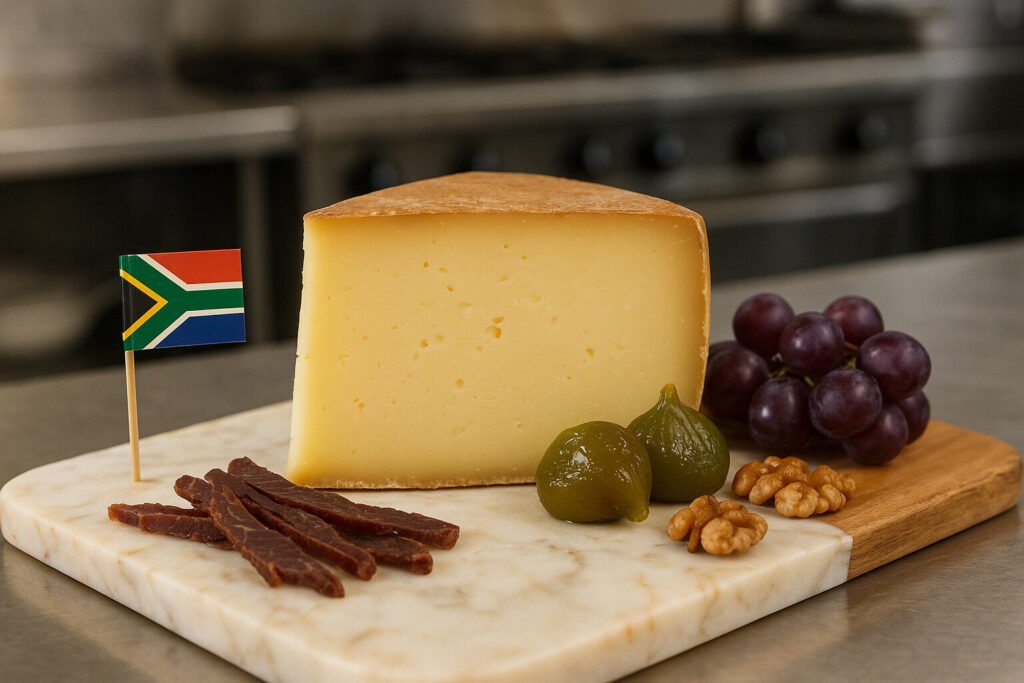
Klein River Gruyère typically forms large wheels weighing between 20 and 30 kilograms. Each wheel measures about 50 to 60 centimeters in diameter. The interior paste displays a pale yellow color with a smooth, firm texture. Its consistency is semi-hard yet slightly elastic when cut. The cheese has a moderate humidity level around 45 percent.
The natural rind of Klein River Gruyère is thin and often bears the imprint of the cloth used during aging. It contains approximately 48 percent fat in dry matter. This composition gives it a creamy mouthfeel without being overly greasy. The flavor profile includes distinct nutty and caramel notes. A slight sweetness lingers on the palate after each bite.
Klein River Gruyère Varieties
Producers offer Klein River Gruyère in different aging stages to suit various tastes. The young version ages for three to six months. It retains a milder flavor and softer texture ideal for melting. This variety works well in sandwiches and cooked dishes. Its moisture content is higher than aged counterparts.
An aged Klein River Gruyère matures for over twelve months. It develops a firmer texture and more intense, crystalline crunch. The flavor becomes deeper with prominent savory and umami notes. Some artisanal versions incorporate local herbs like fynbos. These adaptations highlight the unique terroir of the Klein River region.
History and Traditions of Klein River Gruyère
Klein River Gruyère originated in the Overberg district of South Africa’s Western Cape. Swiss dairy traditions influenced its creation in the late 20th century. Local farmers sought to produce a high-quality Gruyère-style cheese using South African milk. The Klein River valley provides ideal conditions for dairy farming. Its lush pastures and cool climate support rich milk production.
The region is also famous for its wine estates and olive groves. Many local festivals feature Klein River Gruyère in tasting platters and cooking demonstrations. Families often include it in braai gatherings, pairing it with grilled meats and bread. This cheese symbolizes the blend of European techniques with South African ingredients. It has become a staple in gourmet markets across the country.
Production Process and Producers
Klein River Gruyère uses pasteurized milk from Friesian and Jersey cows grazing in the Overberg. The milk undergoes gentle heating before rennet addition to form curds. Workers cut the curds into small pieces and cook them slowly. They then press the curds into large molds for several hours. The cheese wheels receive a brine bath to develop the rind.
Aging occurs in temperature-controlled cellars for three to eighteen months. Cheesemakers turn the wheels regularly to ensure even maturation. The main producers include Klein River Cheese, Overberg Dairy, and artisanal farms in the region. These producers emphasize sustainable farming and traditional methods. Their collective output supports local economies and export markets.
Quality Labels and Certifications
As to our current knowledge, Klein River Gruyère may carry the South African Organic Certification. This label ensures the cheese comes from farms avoiding synthetic pesticides and fertilizers. It also guarantees animal welfare standards are met during milk production. The certification involves regular inspections and audits. Consumers recognize it for its commitment to environmental sustainability.
Some producers also use artisanal labels to highlight handmade processes. These labels emphasize small-batch production and traditional techniques. While Klein River Gruyère does not hold a PDO or PGI, its regional identity is strong. Producers often participate in local quality assurance schemes. These efforts help maintain high standards across the industry.
Wine or Beverage Pairings for Klein River Gruyère
Local South African wines complement Klein River Gruyère beautifully. A crisp Chenin Blanc from Stellenbosch cuts through the cheese’s richness. Its acidity balances the nutty flavors. Pinotage offers a fruity red option with soft tannins. This pairing enhances the cheese’s caramel notes.
International choices include French Chardonnay or Swiss Fendant. These white wines mirror the cheese’s European roots. For beer lovers, a malty amber ale or craft lager works well. Non-alcoholic options like apple cider or grape juice also pair nicely. The key is to match the beverage’s intensity with the cheese’s age.
Suitable Fruit and Vegetables with Klein River Gruyère
Fresh apples and pears provide a sweet contrast to Klein River Gruyère. Their crisp texture complements the cheese’s creaminess. Grapes and figs add a juicy, fragrant element. These fruits highlight the cheese’s fruity undertones. Serve them raw or lightly grilled for variety.
Roasted vegetables like bell peppers and zucchini pair excellently. Their smoky flavors enhance the cheese’s nuttiness. Olives and sun-dried tomatoes offer a savory counterpoint. Include these on a platter for a balanced experience. The combinations allow for creative presentation and tasting.
Suitable Meat and Fish dishes with Klein River Gruyère
Klein River Gruyère melts perfectly into dishes with cured meats. Try it in a croque-monsieur with ham for a classic treat. The cheese’s elasticity ensures smooth melting. It also grates well over pasta with prosciutto. These dishes showcase its versatility in cooking.
For fish, baked salmon topped with Klein River Gruyère creates a rich entrée. The cheese forms a golden crust under the broiler. It pairs well with white fish in gratins or pies. Incorporate it into seafood quiches for a luxurious touch. The cheese adds depth without overpowering delicate flavors.
Presentation of Klein River Gruyère
Serve Klein River Gruyère at room temperature around 18 to 20 degrees Celsius. Remove it from the refrigerator at least one hour before serving. This allows the flavors to fully develop. Present the cheese on a wooden board or slate plate. Arrange wedges or slices for easy access.
Use a cheese plane or sharp knife for slicing Klein River Gruyère. Provide separate utensils for soft and hard cheeses to avoid mixing flavors. Accompany it with crusty bread, crackers, and condiments. Label the cheese to inform guests about its origin. This enhances the tasting experience and appreciation.
Questions and Answers about Klein River Gruyère
How should I store Klein River Gruyère?
Klein River Gruyère should be stored in the refrigerator wrapped in wax paper or cheese paper. Keep it in the vegetable drawer to maintain humidity. Proper storage preserves its texture and flavor for several weeks.
What is the shelf life of Klein River Gruyère?
Klein River Gruyère typically lasts up to four weeks when stored correctly. Its firm rind helps protect it from spoilage. Always check for mold or off odors before consumption.
Can I freeze Klein River Gruyère?
Freezing Klein River Gruyère is not recommended as it alters the texture. The cheese may become crumbly upon thawing. It is best enjoyed fresh or refrigerated for short periods.
How do I cut Klein River Gruyère properly?
Cut Klein River Gruyère into wedges from the center outward. Use a sharp knife to ensure clean slices. This method maintains the cheese’s structure and appearance.
Where can I buy Klein River Gruyère?
Klein River Gruyère is available at specialty cheese shops in South Africa. Many online retailers also ship it internationally. Check local gourmet markets or dairy farms for availability.
What milk type is used in Klein River Gruyère?
Klein River Gruyère is made from cow’s milk, primarily from Friesian and Jersey breeds. The milk is pasteurized for safety. This gives the cheese its rich and creamy profile.
Is Klein River Gruyère suitable for vegetarians?
Klein River Gruyère uses animal rennet in traditional production. Vegetarian versions may use microbial rennet. Always check the label for specific ingredients.
How does aging affect Klein River Gruyère?
Aging intensifies the flavor and texture of Klein River Gruyère. Younger cheeses are milder and creamier. Aged varieties develop a firmer consistency and crystalline bits.
Can I use Klein River Gruyère in cooking?
Klein River Gruyère melts beautifully in sauces, gratins, and sandwiches. Its flavor enhances many cooked dishes. Avoid overheating to prevent oil separation.
What makes Klein River Gruyère unique?
Klein River Gruyère combines Swiss techniques with South African terroir. Its nutty, sweet profile distinguishes it from other Gruyère-style cheeses. The local pastures contribute to its distinct character.
Recipe Ideas for Klein River Gruyère
Klein River Gruyère and Caramelized Onion Tart
This tart showcases the melting qualities of Klein River Gruyère. The sweet onions balance the cheese’s nuttiness perfectly. It makes an elegant appetizer or light main course. Serve it warm with a green salad for a complete meal. The recipe highlights South African ingredients in a classic format.
You can prepare the tart ahead and reheat it gently. Use a pre-made pastry crust to save time. The caramelized onions add depth and sweetness. Klein River Gruyère ensures a gooey, golden topping. This dish appeals to both casual diners and gourmet enthusiasts.
- 1 sheet puff pastry
- 2 large onions, thinly sliced
- 200 grams Klein River Gruyère, grated
- 2 tablespoons olive oil
- 1 teaspoon thyme
- Salt and pepper to taste
- 1 egg for egg wash
- Preheat oven to 200°C. Roll out puff pastry on a baking tray.
- Heat olive oil in a pan. Cook onions over low heat for 20 minutes until caramelized.
- Spread onions over pastry, leaving a border. Sprinkle grated Klein River Gruyère on top.
- Season with thyme, salt, and pepper. Fold edges of pastry over the filling.
- Brush edges with egg wash. Bake for 25 minutes until golden and bubbly.
- Cool slightly before slicing and serving.
Klein River Gruyère Fondue
Fondue is a communal dish that highlights Klein River Gruyère’s creamy texture. It brings people together for a fun dining experience. The cheese’s melting properties make it ideal for this recipe. Pair it with crusty bread and vegetables for dipping. This fondue adds a South African twist to a Swiss classic.
Use a fondue pot to keep the cheese warm throughout the meal. Klein River Gruyère blends well with white wine and garlic. The result is a smooth, flavorful dip. Adjust the consistency with a bit of cornstarch if needed. This recipe is perfect for entertaining or cozy nights in.
- 400 grams Klein River Gruyère, grated
- 200 milliliters dry white wine
- 1 garlic clove, halved
- 1 tablespoon lemon juice
- 1 tablespoon cornstarch
- Freshly ground black pepper
- Nutmeg to taste
- Assorted dippers: bread cubes, apple slices, broccoli florets
- Rub the inside of a fondue pot with garlic halves. Discard garlic.
- Heat wine and lemon juice in the pot over medium heat. Do not boil.
- Toss grated Klein River Gruyère with cornstarch. Gradually add cheese to the pot, stirring constantly.
- Stir until smooth and melted. Season with pepper and nutmeg.
- Reduce heat to low to keep fondue warm. Serve immediately with dippers.
- Stir occasionally to prevent sticking. Enjoy within an hour for best texture.
Similar Cheeses and Alternatives to Klein River Gruyère
Swiss Gruyère serves as the closest relative to Klein River Gruyère. It shares a similar nutty flavor and semi-hard texture. However, Swiss Gruyère often has a denser consistency and longer aging. French Comté offers another alternative with fruity and complex notes. Both cheeses use raw milk and hold PDO status.
Within South Africa, consider Overberg Gouda or Karoo Crumble as local options. These cheeses provide different textures but comparable richness. International choices include Dutch Maasdam or Italian Fontina. Each alternative brings unique characteristics to the table. Experiment with pairings to discover personal preferences.