
In this article
Magyar Betyár Sajt Distinctive Features
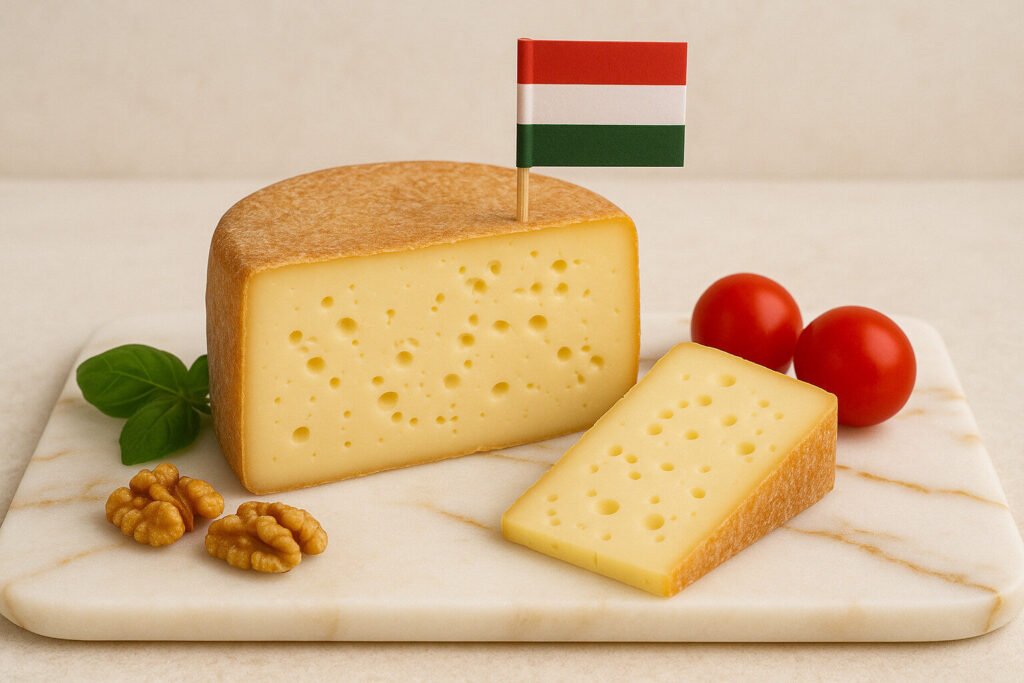
Magyar Betyár Sajt typically forms wheels weighing between 1.5 to 2 kilograms. The rind is natural, often developing a light brown or yellowish hue during aging. Its paste displays a pale yellow color with occasional small eyes or cracks. The texture is semi-hard, allowing it to slice cleanly while retaining a slight suppleness.
Humidity levels in Magyar Betyár Sajt remain moderate, contributing to its shelf stability. Fat in dry matter usually ranges from 45% to 50%, enriching its mouthfeel. Aging periods vary from three to six months, deepening its savory notes. The cheese releases aromas of grass, nuts, and mild butter. Its consistency is firm yet pliable, making it easy to grate or cube for dishes.
Magyar Betyár Sajt Varieties
Traditional Magyar Betyár Sajt maintains a standard recipe using pasteurized cow’s milk. Some artisanal producers create a smoked version, exposing the cheese to beechwood smoke for several days. This variety acquires a golden rind and smoky, robust flavors. It often ages for shorter periods to preserve the smoke infusion.
Another adaptation includes the addition of caraway seeds or paprika for regional flair. These versions highlight local Hungarian spices and cater to diverse palates. Fresh, unaged Magyar Betyár Sajt is less common but offers a milder, creamier alternative. Producers in different regions may adjust salt content or aging conditions. These variations reflect the creativity within Hungarian dairy traditions.
History and Traditions of Magyar Betyár Sajt
Magyar Betyár Sajt originated in the Great Hungarian Plain during the 19th century. It was developed by shepherds and farmers who valued self-sufficiency and resourcefulness. The cheese’s name honors the “betyár” figures, who were romanticized outlaws in Hungarian folklore. These individuals represented resistance and independence, mirroring the cheese’s bold character.
Hungary’s rich agricultural history supported dairy farming across its fertile plains. The region is also famous for paprika, goulash, and Tokaji wine. Families often prepared Magyar Betyár Sajt for festive occasions and harvest celebrations. It became a staple in rural households, symbolizing hospitality and heritage. Today, it remains a point of pride in Hungarian gastronomy, connecting modern eaters to pastoral roots.
Production Process of Magyar Betyár Sajt
Producers source milk from local Hungarian dairy cows, ensuring high quality and freshness. The milk is pasteurized and then warmed to about 32 degrees Celsius. Bacterial cultures and rennet are added to coagulate the milk into curds. Workers cut the curds into small pieces and stir them to release whey.
The curds are pressed into molds to form the characteristic wheel shape. Salting occurs through brining or dry salting, enhancing flavor and preservation. Ripening takes place in controlled cellars with temperatures around 12 degrees Celsius and 85% humidity. Aging lasts from three to six months, during which the cheese develops its complex profile. Main producers include Pannon Tej, Magyar Sajtmanufaktúra, and Tisza Dairy, all located in Hungary.
Quality Labels for Magyar Betyár Sajt
As to our current knowledge, Magyar Betyár Sajt may hold a Protected Geographical Indication (PGI) under European Union regulations. This label ensures that the cheese is produced in specific Hungarian regions using traditional methods. It guarantees authenticity and ties the product to its cultural heritage. The PGI status helps consumers identify genuine Magyar Betyár Sajt from imitations.
Some producers also adhere to Hungarian national quality seals for artisanal cheeses. These certifications often require strict hygiene standards and natural ingredients. Organic labels are less common but available from certain farms using sustainable practices. These assurances support the cheese’s reputation for high quality and traditional craftsmanship.
Wine Pairings with Magyar Betyár Sajt
Local Hungarian wines like Egri Bikavér (Bull’s Blood) complement Magyar Betyár Sajt beautifully. This full-bodied red wine has spicy notes that enhance the cheese’s savory depth. Tokaji Aszú, a sweet dessert wine, offers a contrasting pairing that balances the cheese’s saltiness. These regional matches celebrate Hungary’s viticultural heritage.
International options include crisp Sauvignon Blanc or light Pinot Noir. Beer lovers can enjoy Magyar Betyár Sajt with Hungarian lagers or craft ales. Non-alcoholic pairings might include apple cider or sparkling water with lemon. The cheese’s versatility allows for creative beverage combinations across cuisines.
Suitable Fruit and Vegetables for Magyar Betyár Sajt
Fresh apples and pears provide a sweet crunch that contrasts with the cheese’s richness. Grapes, especially green varieties, add juiciness and a touch of acidity. These fruits cleanse the palate between bites of Magyar Betyár Sajt. They are easy to prepare and serve alongside the cheese.
Vegetables like bell peppers and cucumbers offer refreshing, crisp textures. Pickled vegetables such as gherkins or onions introduce tangy notes. Roasted root vegetables like carrots or beets can be served warm for a hearty combination. These pairings highlight the cheese’s adaptability in both raw and cooked dishes.
Suitable Meat and Fish Dishes with Magyar Betyár Sajt
Magyar Betyár Sajt pairs excellently with Hungarian sausages like kolbász. The cheese’s firm texture holds up well when grated over grilled meats. It can be melted into traditional dishes such as töltött káposzta (stuffed cabbage). These combinations emphasize the cheese’s role in hearty, flavorful cuisine.
For fish, try incorporating Magyar Betyár Sajt into baked trout or carp recipes. The cheese adds a savory crust without overpowering delicate flavors. Smoked versions of the cheese complement oily fish like mackerel. These pairings showcase the cheese’s versatility across different protein sources.
Presentation of Magyar Betyár Sajt
Remove Magyar Betyár Sajt from the refrigerator at least one hour before serving. This allows it to reach the ideal temperature of 18 to 20 degrees Celsius. Serve the cheese on a wooden board or slate plate to enhance its rustic appeal. Arrange slices or wedges neatly, ensuring easy access for guests.
Use a sharp cheese knife for cutting and a separate spreader for soft applications. Provide small plates and forks for individual servings. Garnish with fresh herbs like parsley or thyme for color and aroma. This presentation highlights the cheese’s artisanal qualities and invites enjoyment.
Questions and Answers about Magyar Betyár Sajt
What is Magyar Betyár Sajt?
Magyar Betyár Sajt is a traditional Hungarian semi-hard cheese made from cow’s milk. It features a natural rind and ages for three to six months. Magyar Betyár Sajt is known for its robust flavor and versatile use in cooking.
How should I store Magyar Betyár Sajt?
Store Magyar Betyár Sajt in the refrigerator wrapped in wax paper or cheese paper. Keep it in the vegetable drawer to maintain humidity. Magyar Betyár Sajt can last up to three weeks when properly stored.
Can I freeze Magyar Betyár Sajt?
Freezing Magyar Betyár Sajt is not recommended as it can alter the texture. The cheese may become crumbly and lose some flavor upon thawing. It is best to consume Magyar Betyár Sajt fresh or refrigerated.
What is the shelf life of Magyar Betyár Sajt?
Magyar Betyár Sajt typically has a shelf life of about three to four weeks when refrigerated. Check for mold or off odors to ensure freshness. Proper storage extends the life of Magyar Betyár Sajt.
How do I cut Magyar Betyár Sajt?
Use a sharp knife to cut Magyar Betyár Sajt into wedges or slices. For even portions, slice from the center outward. Magyar Betyár Sajt cuts cleanly due to its semi-hard texture.
Where can I buy Magyar Betyár Sajt?
Magyar Betyár Sajt is available in Hungarian specialty stores and online retailers. Some European delis may also stock it. Look for authentic Magyar Betyár Sajt with quality certifications.
Is Magyar Betyár Sajt suitable for cooking?
Yes, Magyar Betyár Sajt melts well and is excellent for gratins, sauces, and sandwiches. Its flavor enhances baked dishes and salads. Magyar Betyár Sajt adds a Hungarian touch to various recipes.
What milk is used in Magyar Betyár Sajt?
Magyar Betyár Sajt is primarily made from cow’s milk sourced from Hungarian farms. The milk is pasteurized for safety and consistency. This gives Magyar Betyár Sajt its characteristic taste and texture.
Can I eat the rind of Magyar Betyár Sajt?
The rind of Magyar Betyár Sajt is edible but may be tough. Many people prefer to remove it for a smoother experience. The rind is safe to consume and adds to the cheese’s authenticity.
How is Magyar Betyár Sajt different from other Hungarian cheeses?
Magyar Betyár Sajt distinguishes itself with its semi-hard texture and historical betyár inspiration. It has a unique balance of acidity and richness. Unlike Trappista, Magyar Betyár Sajt often features a natural rind and longer aging.
Recipe Ideas with Magyar Betyár Sajt
Magyar Betyár Sajt and Potato Gratin
This gratin combines the creamy texture of potatoes with the savory depth of Magyar Betyár Sajt. It is a comforting dish perfect for family dinners or festive gatherings. The cheese melts evenly, creating a golden crust on top. This recipe highlights the versatility of Magyar Betyár Sajt in baked dishes.
You can prepare it ahead of time and bake it just before serving. The gratin pairs well with a simple green salad and crusty bread. It serves as a hearty side or main course. This dish embodies Hungarian home cooking traditions.
- 500 grams potatoes, peeled and thinly sliced
- 200 grams Magyar Betyár Sajt, grated
- 200 milliliters heavy cream
- 2 cloves garlic, minced
- 1 teaspoon salt
- 1/2 teaspoon black pepper
- 1 tablespoon butter for greasing
- Preheat the oven to 180 degrees Celsius.
- Grease a baking dish with butter.
- Layer the potato slices in the dish.
- Sprinkle with garlic, salt, pepper, and half the cheese.
- Repeat layers, ending with potatoes.
- Pour cream over the top.
- Top with remaining cheese.
- Bake for 45 minutes until golden and bubbly.
- Let rest for 10 minutes before serving.
Magyar Betyár Sajt Stuffed Peppers
Stuffed peppers are a classic Hungarian dish that benefits from the addition of Magyar Betyár Sajt. The cheese adds richness and helps bind the filling ingredients. This recipe is excellent for appetizers or light lunches. It showcases the cheese’s ability to enhance vegetable-based meals.
You can use bell peppers of any color for visual appeal. The dish is easy to customize with herbs or spices. It bakes quickly and can be served warm or at room temperature. This makes Magyar Betyár Sajt a star in simple, flavorful cooking.
- 4 large bell peppers
- 150 grams Magyar Betyár Sajt, cubed
- 100 grams cooked rice
- 1 onion, finely chopped
- 2 tablespoons olive oil
- 1 teaspoon paprika
- Salt and pepper to taste
- Fresh parsley for garnish
- Preheat oven to 190 degrees Celsius.
- Cut peppers in half and remove seeds.
- Sauté onion in olive oil until soft.
- Mix onion with rice, cheese, paprika, salt, and pepper.
- Stuff pepper halves with the mixture.
- Place in a baking dish and drizzle with oil.
- Bake for 25 minutes until peppers are tender.
- Garnish with parsley before serving.
Similar Cheeses to Magyar Betyár Sajt
Trappista cheese from Hungary shares a semi-hard texture and mild acidity with Magyar Betyár Sajt. Both cheeses use cow’s milk and suit similar culinary applications. Trappista often has a smoother paste and shorter aging period. It originated in monastic traditions and remains popular in Central Europe.
International alternatives include Gouda from the Netherlands or Cantal from France. These cheeses offer comparable firmness and melting properties. For a sharper profile, aged Cheddar or Pecorino Romano can substitute in recipes. Each alternative brings its own cultural notes while matching the functional qualities of Magyar Betyár Sajt.