
In this article
Distinctive Features of Mish
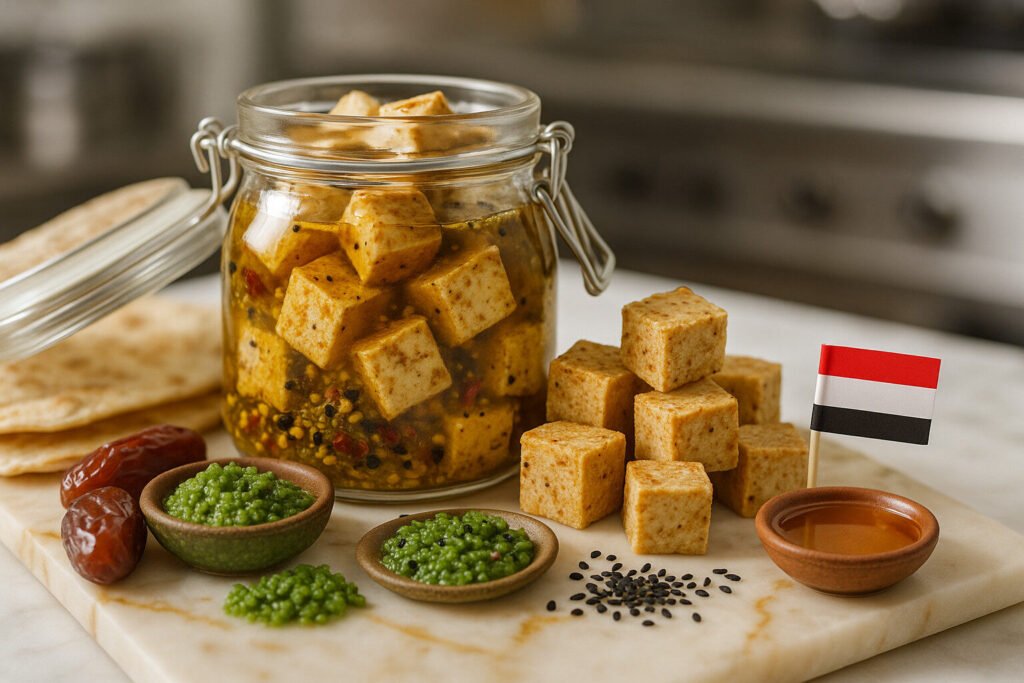
Mish typically forms into small wheels weighing around 500 grams each. Its rind develops a natural, slightly wrinkled appearance from the brining process. The interior paste displays a creamy white color with a semi-hard, crumbly texture that holds its shape well.
This cheese has a high salt content due to its brine immersion, which also contributes to its long shelf life. The consistency is firm yet moist, with a fat in dry matter content of approximately 45 percent. Cheesemakers achieve its characteristic tang through a brief aging period of one to three months.
Mish Cheese Varieties
Regional adaptations of Mish include variations made with sheep’s milk in mountainous areas. These versions often feature a richer, creamier profile compared to the standard goat’s milk Mish. Some producers add local spices like hawaij or black cumin to the brine for extra flavor complexity.
Another variety involves longer aging, resulting in a harder, more pungent cheese known as Mish Qadim. This aged Mish develops deeper savory notes and a darker rind. Coastal regions sometimes produce a softer, fresher Mish meant for immediate consumption without brining.
History and Traditions of Mish
Mish has been produced in Yemen for centuries, originating as a practical method to preserve milk in the arid climate. Bedouin tribes traditionally made Mish during seasonal migrations to ensure a stable food source. The cheese became integral to Yemeni cuisine, often served during festive occasions and family gatherings.
Yemen’s region is also famous for its coffee cultivation, particularly Mocha coffee, which pairs naturally with salty cheeses like Mish. Traditional Mish production often involves communal efforts, with families sharing techniques passed down through generations. Stories tell of Mish being used as a valuable trade item along ancient spice routes.
Production Process and Producers
Mish production starts with fresh goat’s milk sourced from local herds in Yemeni highlands. Cheesemakers heat the milk to about 30°C before adding animal rennet to form curds. They then drain the whey, press the curds into molds, and submerge the cheese in a salt brine for several weeks.
The cheese ripens in cool, humid conditions for one to three months, developing its signature flavor. Main producers of Mish include artisanal dairies in Sana’a, Taiz, and Ibb, as well as small-scale family operations in rural villages. These producers maintain traditional methods while ensuring consistent quality.
Quality Labels and Certifications
As to our current knowledge, Mish does not hold any protected designation of origin or geographical indication labels. It remains primarily an artisanal product without formal certification schemes. However, some local cooperatives have begun discussing potential quality assurance labels to preserve authenticity.
There are no widely recognized organic or sustainability certifications specifically for Mish cheese at this time. Producers often rely on traditional practices that inherently support small-scale, sustainable agriculture. Consumers can identify authentic Mish through trusted local vendors and regional reputations.
Wine or Beverage Pairings
Mish pairs excellently with Yemeni shai, a strong black tea often sweetened with sugar. The tea’s bitterness balances the cheese’s saltiness, creating a harmonious combination. Local coffee, such as Yemeni Mocha, also complements Mish with its rich, chocolatey notes.
For international pairings, try a crisp white wine like Sauvignon Blanc or a light lager beer. These beverages cut through the cheese’s saltiness without overpowering its flavor. Non-alcoholic options include mint-infused water or tamarind juice, which refresh the palate between bites.
Suitable Fruit and Vegetables
Fresh dates and figs provide a sweet contrast to Mish’s salty profile. Their soft texture blends well with the crumbly cheese. Olives and pickled cucumbers add a tangy element that enhances the overall tasting experience.
Tomatoes and bell peppers offer a juicy, crisp accompaniment to Mish. Grilled eggplant or zucchini can be served alongside for a smoky flavor. Fresh herbs like mint and parsley brighten the cheese’s richness when sprinkled over it.
Suitable Meat and Fish Dishes
Mish crumbles beautifully over grilled lamb kebabs or chicken shawarma. Its saltiness seasons the meat while adding a creamy texture. Traditional Yemeni dishes like saltah often incorporate Mish as a topping for stews.
Flaky white fish, such as hamour, pairs well with grated Mish in baked recipes. The cheese forms a savory crust that locks in moisture. For heartier meals, Mish can be stuffed into minced meat pastries or served with spiced rice and fish.
Presentation of Mish
Remove Mish from the refrigerator about 30 minutes before serving to reach an ideal temperature of 18°C. Present it on a wooden or ceramic plate to showcase its rustic appeal. Arrange whole wheels or thick slices alongside accompaniments like flatbread and olives.
Use a sharp cheese knife for cutting Mish into wedges or cubes. Provide small forks or toothpicks for guests to easily pick up pieces. Garnish the plate with fresh herbs and a drizzle of olive oil for an inviting presentation.
Questions and Answers about Mish
What is Mish cheese?
Mish cheese is a traditional Yemeni brined cheese made primarily from goat’s milk. It features a salty, tangy flavor and a semi-hard, crumbly texture. Mish cheese is often aged for one to three months to develop its characteristic profile.
How should I store Mish cheese?
Store Mish cheese in its original brine or wrapped tightly in parchment paper inside the refrigerator. Keep Mish cheese at a consistent temperature of 4°C to maintain freshness. Properly stored Mish cheese can last for several weeks.
Can Mish cheese be used in cooking?
Yes, Mish cheese is versatile and can be crumbled over salads, melted into sauces, or baked into dishes. Cooking with Mish cheese adds a salty depth to recipes. It holds its shape well when heated, making it suitable for grilling or frying.
Where can I buy Mish cheese?
You can buy Mish cheese at specialty Middle Eastern grocery stores or online retailers that import Yemeni products. Look for Mish cheese in the refrigerated article, often sold in vacuum-sealed packages. Some local dairies in Yemen also ship Mish cheese internationally.
What is the shelf life of Mish cheese?
The shelf life of Mish cheese is typically three to four weeks when refrigerated properly. Unopened Mish cheese in brine may last longer due to the preserving effect. Always check for any off smells or mold before consuming Mish cheese.
How do I cut Mish cheese?
Use a sharp knife to cut Mish cheese into wedges or cubes, depending on your preference. Cutting Mish cheese against the grain helps maintain its texture. For serving, slice Mish cheese just before eating to preserve its moisture.
Is Mish cheese suitable for vegetarians?
Mish cheese is not always vegetarian, as traditional recipes often use animal rennet. Check the label or ask the producer about the rennet source in Mish cheese. Some modern versions of Mish cheese may use microbial rennet for vegetarian suitability.
Can I freeze Mish cheese?
Freezing Mish cheese is not recommended, as it can alter the texture and make it crumbly. Mish cheese is best enjoyed fresh or refrigerated. If necessary, freeze Mish cheese in an airtight container for up to one month, but expect some quality loss.
What milk is used in Mish cheese?
Mish cheese is primarily made from goat’s milk, though some varieties use sheep’s milk. The milk gives Mish cheese its distinct tangy flavor and firm consistency. Authentic Mish cheese relies on high-quality, locally sourced milk.
How is Mish cheese traditionally eaten?
Mish cheese is traditionally eaten with Yemeni flatbread, such as malooga or kubaneh. It is often paired with olives, dates, or honey for a balanced snack. Many people enjoy Mish cheese as part of a mezze platter or breakfast spread.
Recipe Ideas
Mish Cheese and Herb Flatbread
This recipe highlights Mish cheese’s salty crunch in a warm, homemade flatbread. The cheese melts slightly while baking, creating pockets of flavor. Fresh herbs like za’atar and parsley enhance the rustic appeal of the dish.
Yemeni families often prepare similar flatbreads for breakfast or as a snack. Using Mish cheese adds an authentic touch to this comforting food. Serve it hot from the oven with a side of yogurt or labneh.
- 250 grams all-purpose flour
- 150 grams crumbled Mish cheese
- 2 tablespoons olive oil
- 1 tablespoon za’atar spice blend
- 1 teaspoon salt
- 150 milliliters warm water
- 2 tablespoons chopped fresh parsley
- Preheat the oven to 200°C and line a baking sheet with parchment paper.
- Mix flour, salt, and za’atar in a large bowl, then add olive oil and warm water to form a dough.
- Knead the dough on a floured surface for 5 minutes until smooth.
- Roll the dough into a circle about 1 cm thick and place it on the baking sheet.
- Sprinkle crumbled Mish cheese and parsley evenly over the dough.
- Bake for 12-15 minutes until the edges are golden and cheese is bubbly.
- Slice and serve immediately.
Baked Mish with Spiced Tomatoes
This baked dish showcases Mish cheese’s ability to hold up under heat while infusing tomatoes with saltiness. The spices common in Yemeni cuisine, like cumin and coriander, deepen the flavor profile. It makes an excellent side dish or vegetarian main course.
Preparing this recipe is straightforward and requires minimal ingredients. The cheese forms a savory crust that contrasts with the juicy tomatoes. This dish pairs well with rice or crusty bread for a complete meal.
- 200 grams Mish cheese, sliced
- 4 large tomatoes, thickly sliced
- 1 onion, thinly sliced
- 2 cloves garlic, minced
- 1 teaspoon ground cumin
- 1 teaspoon paprika
- 2 tablespoons olive oil
- Salt and pepper to taste
- Fresh cilantro for garnish
- Preheat the oven to 180°C and grease a baking dish with olive oil.
- Layer tomato slices, onion, and garlic in the dish, seasoning with salt, pepper, cumin, and paprika.
- Arrange Mish cheese slices on top of the tomato layers.
- Drizzle with remaining olive oil and bake for 20-25 minutes until cheese is golden and tomatoes are soft.
- Garnish with fresh cilantro before serving hot.
Similar Cheeses and Alternatives
Feta cheese from Greece shares Mish’s briny quality and crumbly texture, though Feta is often made from sheep’s milk. Halloumi from Cyprus offers a similar saltiness and grilling capability, but it has a rubbery texture when raw. Nabulsi cheese from Palestine is another brined option, typically sweeter due to its flavorings like mahlab or rose water. For those seeking a local alternative, Akkawi cheese from Lebanon provides a comparable mild saltiness and smooth consistency. These cheeses can often substitute for Mish in recipes where its distinctive Yemeni character is not essential.