
In this article
Distinctive Features of Queijo de São Tomé
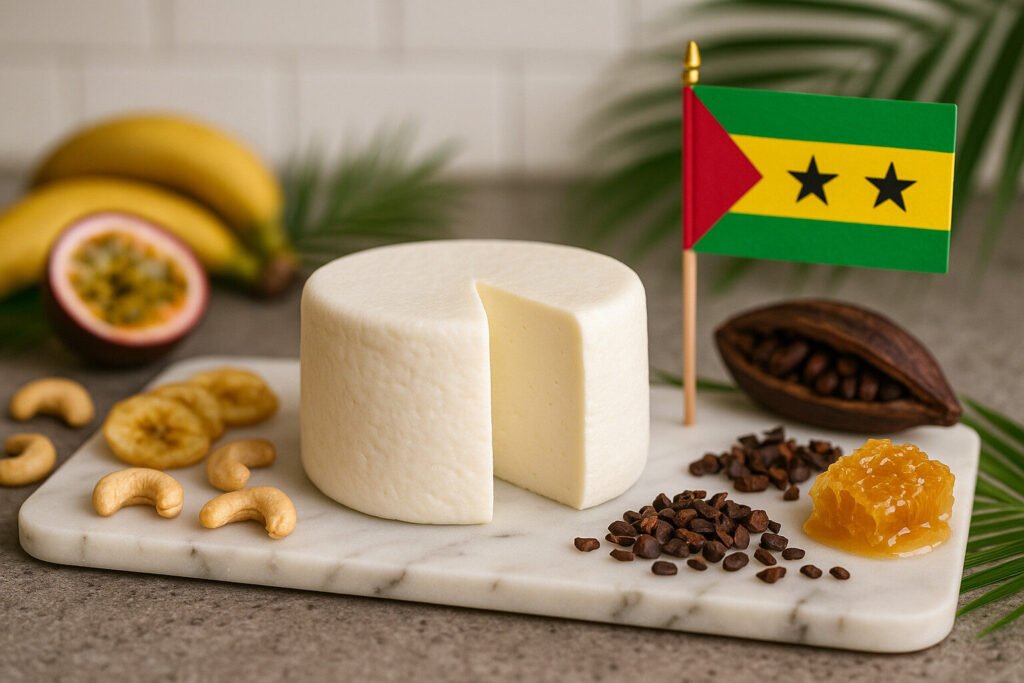
Queijo de São Tomé typically forms small wheels weighing between 500 grams and 1 kilogram. The rind is natural, thin, and exhibits a pale ivory to light yellow hue. Its surface may show slight wrinkling from the aging process, adding to its rustic charm.
The interior paste of Queijo de São Tomé is semi-soft and uniformly creamy. It has a moisture content of approximately 50 percent, giving it a pliable consistency. The fat in dry matter ranges from 45 to 50 percent, contributing to a rich yet balanced mouthfeel.
Cheese Varieties of Queijo de São Tomé
Queijo de São Tomé primarily exists as a fresh or lightly aged variety, with minimal commercial adaptations. Some producers offer a version aged for two to three weeks, which develops a firmer texture. This aged Queijo de São Tomé has a slightly more pronounced flavor compared to the fresh type.
Local variations might include the addition of herbs or spices, though these are not widespread. The cheese remains largely artisanal, with each producer imparting subtle differences. These nuances reflect the microclimates and feeding practices of the cattle across the islands.
History and Traditions of Queijo de São Tomé
Queijo de São Tomé has roots in the Portuguese colonial era, introduced by settlers who brought dairy traditions. The islands’ fertile volcanic soil and humid climate supported cattle rearing, enabling cheese production. This cheese became a staple in local diets, often enjoyed with bread or fruit.
São Tomé and Príncipe is renowned for its cocoa and coffee plantations, which dominate the agricultural landscape. Queijo de São Tomé is sometimes served during festivals and family gatherings, symbolizing community and heritage. The cheese-making knowledge is passed down through generations, preserving this culinary artifact.
Production Process and Producers of Queijo de São Tomé
Queijo de São Tomé uses raw or pasteurized cow’s milk sourced from local herds grazing on tropical pastures. The milk is warmed to about 30°C before adding animal rennet for coagulation. After cutting the curd, it is molded and pressed lightly to form the characteristic wheels.
The cheese is then salted and aged in cool, humid conditions for one to four weeks. Ripening occurs on wooden shelves, allowing natural molds to contribute to the flavor profile. Main producers include small-scale farms and cooperatives such as Queijaria Nacional, Produtores de Leite de São Tomé, and Cooperativa Agrícola do Príncipe, though production remains limited and artisanal.
Quality Labels and Certifications
As to our current knowledge, Queijo de São Tomé does not hold protected designation of origin (PDO) or protected geographical indication (PGI) status. The cheese may benefit from local artisanal labels that emphasize traditional methods and island provenance. These informal certifications help maintain quality and authenticity in small-batch production.
Some producers might adhere to basic food safety standards, but international organic or sustainability labels are uncommon. The focus remains on preserving the cheese’s heritage through community-based initiatives. Consumers can identify authentic Queijo de São Tomé by seeking out producers who emphasize local sourcing and handcrafted techniques.
Wine or Beverage Pairings
Queijo de São Tomé pairs excellently with light, crisp white wines such as Vinho Verde from Portugal. The wine’s acidity cuts through the cheese’s creaminess, enhancing its mild flavor. Local palm wine, known as “vinho de palma,” offers a traditional pairing with earthy notes.
For non-alcoholic options, try citrus-based soft drinks or lightly sweetened iced tea. These beverages complement the cheese without overwhelming its delicate profile. International choices include Sauvignon Blanc or a dry rosé, which balance the tropical nuances of Queijo de São Tomé.
Suitable Fruit and Vegetables
Queijo de São Tomé harmonizes with fresh tropical fruits like pineapple, mango, and papaya. The sweetness of these fruits contrasts nicely with the cheese’s mild saltiness. Sliced apples and pears also work well, adding a crisp texture.
Vegetables such as cherry tomatoes, cucumber, and bell peppers provide a refreshing accompaniment. Lightly grilled zucchini or eggplant can highlight the cheese’s creamy consistency. These pairings make for vibrant cheese boards or salads.
Suitable Meat and Fish dishes
Queijo de São Tomé complements grilled fish dishes, particularly locally caught tuna or snapper. The cheese melts smoothly, adding richness to the seafood. It can be crumbled over salads or incorporated into stuffings for a flavorful twist.
For meat pairings, try it with simple grilled chicken or pork. The cheese’s mildness enhances rather than dominates the protein. In traditional recipes, Queijo de São Tomé is used in empanadas or as a topping for roasted meats.
Presentation of Queijo de São Tomé
Serve Queijo de São Tomé at room temperature, about 18-20°C, to fully appreciate its aroma and texture. Remove it from the refrigerator at least 30 minutes before serving. Present it on a wooden or slate cheese board to highlight its artisanal character.
Arrange the cheese whole or in wedges, accompanied by crackers, bread, and pairings. Use a cheese knife for slicing and a spreader for soft applications. For eating, provide small plates and forks to allow guests to enjoy the cheese comfortably.
Questions and Answers about Queijo de São Tomé
What is Queijo de São Tomé?
Queijo de São Tomé is a semi-soft cheese made from cow’s milk on the islands of São Tomé and Príncipe. It features a creamy texture and mild, slightly tangy flavor. Queijo de São Tomé is often enjoyed fresh or lightly aged.
How should I store Queijo de São Tomé?
Store Queijo de São Tomé in the refrigerator at 4-8°C, wrapped in wax paper or cheese paper. Keep it in the vegetable drawer to maintain humidity. Proper storage helps preserve the quality of Queijo de São Tomé for up to two weeks.
Can I freeze Queijo de São Tomé?
Freezing Queijo de São Tomé is not recommended, as it can alter the texture and cause graininess. It is best consumed fresh or refrigerated. Thawed Queijo de São Tomé may lose its creamy consistency.
How do I cut Queijo de São Tomé?
Cut Queijo de São Tomé with a sharp cheese knife into wedges or slices. For even portions, slice from the center outward. Always use a clean knife to prevent contamination of Queijo de São Tomé.
Where can I buy Queijo de São Tomé?
Buy Queijo de São Tomé from local markets in São Tomé and Príncipe or specialty importers abroad. Online retailers may occasionally stock it. Availability of Queijo de São Tomé can be limited outside its region of origin.
What is the shelf life of Queijo de São Tomé?
The shelf life of Queijo de São Tomé is about 1-2 weeks when stored properly in the refrigerator. Fresh varieties should be consumed quickly. Aged Queijo de São Tomé might last slightly longer but is best enjoyed promptly.
Can Queijo de São Tomé be used in cooking?
Yes, Queijo de São Tomé melts well and is excellent in cooked dishes like gratins or sandwiches. It adds creaminess to sauces and stuffings. Avoid overheating Queijo de São Tomé to prevent oil separation.
Is Queijo de São Tomé lactose-free?
Queijo de São Tomé contains lactose, though aging may reduce it slightly. Those with lactose intolerance should consume it in moderation. Always check with producers for specific details on Queijo de São Tomé.
What makes Queijo de São Tomé unique?
Queijo de São Tomé is unique due to its island terroir and artisanal production methods. The tropical climate influences the milk’s flavor profile. This gives Queijo de São Tomé a distinct creaminess and mild taste.
How is Queijo de São Tomé traditionally eaten?
Traditionally, Queijo de São Tomé is eaten with bread or fruit as a simple snack. It is also used in local dishes like fish stews. Families often share Queijo de São Tomé during meals and celebrations.
Recipe Ideas
Queijo de São Tomé and Tropical Fruit Salad
This salad highlights the creamy texture of Queijo de São Tomé with vibrant tropical fruits. It is perfect as a light appetizer or side dish for summer gatherings. The combination offers a refreshing balance of sweet and savory flavors.
Queijo de São Tomé adds a rich element that complements the acidity of citrus dressings. You can prepare it ahead of time for convenience. This recipe showcases the cheese’s versatility in cold preparations.
Ingredients
- 200 g Queijo de São Tomé, cubed
- 1 ripe mango, peeled and diced
- 1 small pineapple, cubed
- 1 red bell pepper, sliced
- Fresh mint leaves, chopped
- Juice of 1 lime
- 2 tbsp olive oil
- Salt and pepper to taste
Method
- In a large bowl, combine the cubed Queijo de São Tomé, mango, pineapple, and bell pepper.
- Add the chopped mint leaves for freshness.
- Whisk together lime juice, olive oil, salt, and pepper in a small jar.
- Drizzle the dressing over the salad and toss gently to coat.
- Chill for 15 minutes before serving to allow flavors to meld.
Grilled Queijo de São Tomé with Herb Crust
This recipe transforms Queijo de São Tomé into a warm, aromatic dish ideal for entertaining. The herb crust adds texture and depth to the cheese’s mild profile. It pairs wonderfully with crusty bread or a simple green salad.
Grilling enhances the creamy consistency of Queijo de São Tomé without making it oily. The herbs infuse the cheese with Mediterranean flavors. This dish is quick to prepare and impresses guests with its rustic appeal.
Ingredients
- 250 g Queijo de São Tomé, cut into 2 cm thick slices
- 2 tbsp breadcrumbs
- 1 tbsp fresh parsley, chopped
- 1 tsp dried oregano
- 1 garlic clove, minced
- 2 tbsp olive oil
- Lemon wedges for serving
Method
- Preheat a grill or grill pan to medium-high heat.
- In a small bowl, mix breadcrumbs, parsley, oregano, and garlic.
- Brush the Queijo de São Tomé slices lightly with olive oil.
- Press the herb mixture onto both sides of each cheese slice.
- Grill for 2-3 minutes per side until golden and slightly melted.
- Serve immediately with lemon wedges and fresh bread.
Similar Cheeses and Alternatives
Queijo de São Tomé shares similarities with other semi-soft, mild cheeses like Portuguese Queijo Fresco or Brazilian Minas Cheese. These alternatives offer comparable creaminess and are often made from cow’s milk. However, Queijo de São Tomé distinguishes itself with its unique island terroir and slightly higher humidity.
For those unable to find Queijo de São Tomé, Italian Stracchino or French Tomme de Savoie can serve as substitutes in recipes. These cheeses provide a similar melt-in-the-mouth texture and mild flavor profile. Exploring these options allows chefs to adapt dishes while honoring the essence of Queijo de São Tomé.