
In this article
Distinctive Features of Queso de Prensa
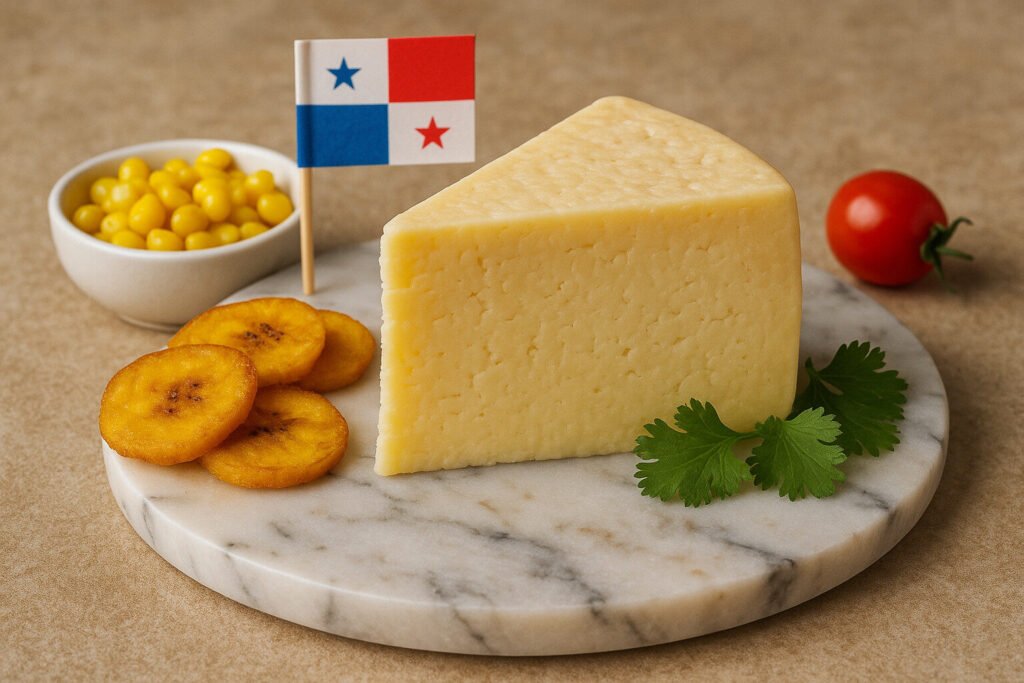
Queso de Prensa typically forms small to medium wheels weighing between 1 and 2 kilograms. Its rind is natural, often smooth and slightly oily, while the interior paste ranges from creamy white to pale yellow. The texture is semi-hard and dense, thanks to the pressing process that removes excess moisture. This low humidity gives the cheese a firm consistency that slices neatly without crumbling. When tasted, it reveals a mild, savory profile with a subtle tanginess and a clean finish.
The cheese’s structure allows it to melt smoothly, making it ideal for cooked dishes. It does not develop strong odors, maintaining a fresh, dairy-forward aroma. Its uniform color and smooth surface make it visually appealing on a platter. The pressing molds often leave faint imprints on the rind, adding an artisanal touch. Overall, Queso de Prensa is known for its reliability and adaptability in various culinary contexts.
Cheese Varieties of Queso de Prensa
In Panama, Queso de Prensa shows minimal variation, but some producers offer differences in aging time. A fresh version is softer and milder, aged for about two weeks, and is best for immediate eating. An aged Queso de Prensa, left for four weeks or more, becomes firmer and develops a more pronounced flavor, suitable for grating. Most varieties use pasteurized cow’s milk, though rare artisanal batches might use raw milk. The cheese is consistently produced without added flavors, emphasizing its pure, traditional character.
Regional adaptations within Panama are limited, as production methods are standardized across dairies. However, in informal settings, some home cooks might press the cheese longer for a denser texture. It is distinct from other Latin American pressed cheeses like Queso Fresco due to its specific moisture content and pressing technique. Modern interpretations sometimes include herbs, but the classic plain version remains dominant. This consistency ensures that Queso de Prensa delivers a familiar taste experience every time.
History and Traditions of Queso de Prensa
Queso de Prensa originated in Panama’s rural communities, where dairy farming is a key livelihood. It was developed to preserve milk in the tropical climate, using pressing techniques likely influenced by Spanish colonization. The cheese became a household staple, providing a reliable source of nutrition. Panama is also famous for its coffee, seafood, and Sancocho soup, but Queso de Prensa holds a special place in daily meals. It symbolizes the ingenuity of local farmers in creating sustainable food products.
Traditional cheese-making was often a family activity, passed down through generations. While no specific festivals center on Queso de Prensa, it is commonly featured in celebrations like Christmas and Easter. Families enjoy it with bread or in traditional dishes during gatherings. Stories from elders highlight how cheese-making supported community bonds and economic stability. Today, it remains a cherished element of Panamanian culture, connecting people to their agricultural roots.
Production Process and Producers
Queso de Prensa starts with fresh cow’s milk, sourced from Panamanian dairy farms. The milk is pasteurized and curdled using natural rennet to form solid curds. These curds are cut, drained, and transferred into molds where they undergo pressing to expel whey. This pressing stage is crucial, as it defines the cheese’s firm texture and low moisture content. After pressing, the cheese is salted and aged for two to four weeks in cool, humid conditions to develop its mild flavor.
Major producers in Panama include Quesos La Vaquita, Quesos Don Julio, and Cooperativa de Productores de Leche de Chiriquí. These producers operate in dairy-rich regions like Chiriquí and Herrera, combining traditional methods with modern hygiene. Production scales vary from small family-run dairies to larger cooperatives. Most Queso de Prensa is consumed domestically, though some is exported to Central American neighbors. The cheese is widely available in local markets and supermarkets across Panama.
Quality Labels and Certifications
As to our current knowledge, Queso de Prensa does not hold protected designations of origin or geographical indications. However, some producers may use national labels like “Hecho en Panama” to certify local origin. Organic certifications are available through Panama’s Ministerio de Desarrollo Agropecuario, but they are not commonly applied to this cheese. Artisanal producers might emphasize traditional methods without formal seals. Overall, quality assurance relies on producer reputation and adherence to basic food safety standards.
There are no specific sustainability or animal welfare labels widely used for Queso de Prensa. The cheese is typically made with conventional farming practices. Consumers often trust well-known local brands for authenticity. For those seeking certified products, checking for any organic or artisanal claims on packaging is advisable. However, the absence of formal certifications does not diminish the cheese’s cultural and culinary value in Panama.
Wine or Beverage Pairings
Queso de Prensa pairs excellently with light, crisp white wines such as Sauvignon Blanc or Spanish Albariño. The wine’s acidity cuts through the cheese’s richness, enhancing its mild flavor. In Panama, it is traditionally enjoyed with local beverages like Seco Herrerano, a sugarcane-based spirit. Light lagers or pilsner beers also complement the cheese, offering a refreshing contrast. These pairings highlight the cheese’s versatility without overwhelming its subtle taste.
For non-alcoholic options, try Queso de Prensa with fresh tropical juices like tamarind or passion fruit. The sweetness of the juice balances the cheese’s saltiness. Sparkling water with a squeeze of lime can cleanse the palate between bites. Regional wines from Chile or Argentina are accessible alternatives that work well. Ultimately, the goal is to choose beverages that respect the cheese’s delicate profile and add a complementary note.
Suitable Fruit and Vegetables
Queso de Prensa pairs beautifully with fresh fruits like mango, pineapple, and watermelon. The natural sweetness of these fruits contrasts with the cheese’s savory notes. Vegetables such as ripe tomatoes, crisp cucumbers, and bell peppers add texture and freshness to cheese platters. These combinations are common in Panamanian appetizers, offering a balance of flavors and colors. The cheese’s mildness allows the produce to shine without competition.
In salads, cube Queso de Prensa and mix it with leafy greens, avocado, and corn. Grilled vegetables like zucchini or eggplant benefit from melted cheese toppings. Fruits like grapes and apples provide a classic, refreshing accompaniment. The cheese can also be served with pickled vegetables for a tangy twist. These pairings make Queso de Prensa a flexible ingredient for both simple and elaborate dishes.
Suitable Meat and Fish dishes
Queso de Prensa is a key ingredient in Panamanian Sancocho, a hearty chicken soup where it melts into the broth. It also works well in empanadas or pastelitos filled with seasoned ground beef or pork. Grilled meats like churrasco steak often feature sliced cheese that softens from the heat. The cheese’s excellent melting quality makes it ideal for stuffing into meat dishes or using as a topping.
For fish, incorporate Queso de Prensa into seafood casseroles or bake it with white fish like corvina. In ceviche, small cheese cubes add a creamy element without overpowering the citrus. Meat stews such as ropa vieja gain depth when cheese is stirred in late. The cheese enhances umami flavors in both meat and fish, making it a versatile addition to many traditional recipes.
Presentation of Queso de Prensa
For optimal presentation, remove Queso de Prensa from the refrigerator 30 minutes before serving. This brings it to room temperature, around 18-20°C, which maximizes its flavor and texture. Serve it on a wooden or ceramic platter to maintain its temperature and add rustic appeal. Arrange slices or cubes neatly, perhaps alongside crackers, bread, or simple accompaniments. This setup allows guests to appreciate the cheese’s appearance and ease of serving.
Use a sharp chef’s knife for cutting Queso de Prensa into even portions. Provide small cheese knives or forks for guests to handle individual pieces. For casual settings, toothpicks can be used for cubed cheese. Avoid overcrowding the plate to let the cheese stand out. A well-presented Queso de Prensa platter invites enjoyment and conversation, highlighting its role in social dining.
Questions and Answers about Queso de Prensa
How should Queso de Prensa be stored?
Queso de Prensa should be stored in the refrigerator, wrapped in parchment paper or placed in an airtight container. This prevents it from drying out and maintains its freshness. Proper storage helps Queso de Prensa last for up to three weeks.
Can Queso de Prensa be used in cooking?
Yes, Queso de Prensa is excellent for cooking due to its good melting properties. It can be added to soups, casseroles, sandwiches, and grilled dishes. Queso de Prensa enhances flavors without dominating the dish.
What is the shelf life of Queso de Prensa?
Queso de Prensa typically has a shelf life of two to three weeks when refrigerated correctly. Always check for any off odors or mold before use. Properly stored Queso de Prensa remains safe and tasty throughout this period.
Where can I buy Queso de Prensa?
Queso de Prensa is widely available in supermarkets and local markets across Panama. It may also be found in Latin American grocery stores internationally. Queso de Prensa is often sold in whole wheels or pre-sliced portions.
How should Queso de Prensa be cut?
Queso de Prensa should be cut with a sharp knife into slices or cubes, depending on your needs. For even portions, slice it against the grain. Queso de Prensa’s firm texture makes cutting straightforward and neat.
Is Queso de Prensa made from pasteurized milk?
Most Queso de Prensa is made from pasteurized cow’s milk to ensure safety. Some artisanal versions might use raw milk, but these are less common. Always verify the label when purchasing Queso de Prensa.
What does Queso de Prensa taste like?
Queso de Prensa has a mild, slightly salty flavor with a smooth, firm texture. It is not overly strong or pungent. Queso de Prensa offers a clean, dairy-forward taste that appeals to many palates.
Can Queso de Prensa be frozen?
Freezing Queso de Prensa is not recommended, as it can alter the texture and cause crumbling. For best quality, consume Queso de Prensa fresh or properly refrigerated. Freezing may reduce the enjoyment of Queso de Prensa.
How is Queso de Prensa different from other cheeses?
Queso de Prensa is distinct for its pressing process, which gives it low moisture and a firm consistency. Unlike softer cheeses, it holds its shape well when sliced. Queso de Prensa is uniquely tied to Panamanian dairy traditions.
What is Queso de Prensa?
Queso de Prensa is a traditional pressed cheese from Panama, made primarily from cow’s milk. It is known for its semi-hard texture and mild, savory flavor. Queso de Prensa is a versatile cheese used in various culinary applications.
Recipe Ideas
Queso de Prensa Empanadas
Queso de Prensa Empanadas are a beloved snack in Panama, perfect for gatherings or quick meals. The cheese melts into a creamy filling that contrasts beautifully with the crispy pastry. This recipe is simple to prepare and can be adapted with additions like sautéed onions or herbs. Empanadas made with Queso de Prensa offer an authentic taste of Panamanian street food. They are best served warm, straight from the oven, and enjoyed with a dipping sauce.
These empanadas highlight the versatility of Queso de Prensa in handheld foods. You can make them ahead and reheat them for convenience. The cheese’s firm texture ensures it doesn’t leak during baking. This dish is a crowd-pleaser for both children and adults. Experiment with different shapes and sizes for variety.
- 250 grams Queso de Prensa, grated
- 1 package empanada dough discs (about 10 pieces)
- 1 small onion, finely chopped
- 1 tablespoon vegetable oil
- Salt and pepper to taste
- 1 egg, beaten (for egg wash)
- Preheat oven to 190°C and line a baking sheet with parchment paper.
- Heat oil in a pan and sauté onion until soft; let cool.
- Mix grated Queso de Prensa with sautéed onion, salt, and pepper.
- Place a spoonful of filling in the center of each dough disc.
- Fold dough over filling, seal edges with a fork, and brush with egg wash.
- Bake for 20-25 minutes until golden brown. Serve warm.
Grilled Queso de Prensa Sandwich
A Grilled Queso de Prensa Sandwich is a comforting and easy meal, ideal for lunch or a light dinner. The cheese melts smoothly between slices of bread, creating a gooey, satisfying bite. This recipe uses minimal ingredients, allowing the flavor of Queso de Prensa to shine. Pair it with a bowl of tomato soup for a classic combination. The sandwich is quick to make and customizable with additions like ham or avocado.
This sandwich demonstrates how Queso de Prensa performs well under heat. It doesn’t become oily or separate, ensuring a clean eat. You can use any type of bread, though crusty artisanal loaves work best. It’s a great way to introduce Queso de Prensa to those unfamiliar with Panamanian cheeses. Enjoy it fresh off the grill for the best texture and taste.
- 4 slices of bread
- 150 grams Queso de Prensa, sliced
- 2 tablespoons butter, softened
- Optional: sliced tomato, ham, or fresh herbs
- Butter one side of each bread slice.
- Place Queso de Prensa slices and any optional ingredients between unbuttered sides.
- Heat a skillet over medium heat and place sandwich buttered-side down.
- Cook for 3-4 minutes per side until bread is golden and cheese is melted.
- Press lightly with a spatula for even cooking. Slice and serve immediately.
Similar Cheeses and Alternatives
Queso de Prensa shares similarities with other Latin American pressed cheeses, such as Queso Fresco from Mexico or Queso Blanco from Venezuela. However, Queso de Prensa is typically firmer and less moist due to its specific pressing technique. For those outside Panama, Panela cheese from Mexico offers a comparable mild flavor and melting ability. Halloumi from Cyprus is another alternative, though it has a saltier profile and is often grilled. Seeking out Latin American markets is the best way to find authentic Queso de Prensa or close substitutes that maintain its culinary functions.